
When it comes to kidney protection, the process of preventing damage to the kidneys from disease, drugs, or lifestyle factors. Also known as renal protection, it’s not just about avoiding toxins—it’s about making daily choices that support how your kidneys filter waste and balance fluids. Your kidneys work 24/7, cleaning about 120-150 quarts of blood each day. If they start to fail, you could need dialysis or a transplant. But most people don’t realize how easily kidney damage can creep up—often without symptoms until it’s advanced.
Chronic kidney disease, a long-term loss of kidney function often caused by diabetes or high blood pressure. Also known as CKD, it affects more than 1 in 7 U.S. adults, and many don’t know they have it. The biggest threats? Medications for kidneys, drugs that can harm kidney tissue when used long-term or in high doses. Also known as nephrotoxic drugs, they include common painkillers like ibuprofen, certain antibiotics, and even some diabetes meds if not monitored. It’s not that these drugs are bad—they save lives. But if you’re taking them daily for years, especially with other conditions like diabetes or heart disease, your kidneys pay the price. That’s why knowing your numbers—creatinine, eGFR, urine albumin—is as important as taking your pills.
Kidney protection isn’t just about avoiding harm. It’s about active care. Drinking enough water, controlling blood sugar, keeping blood pressure under 130/80, and cutting back on salt can slow damage even if you already have early-stage kidney disease. Some medications, like SGLT-2 inhibitors and certain blood pressure drugs, actually protect kidneys—not just lower pressure. And while you can’t undo damage, you can stop it from getting worse. The posts below show real ways people are managing kidney risk while taking other meds, avoiding dangerous combos, and using pharmacy consultations to catch problems before they escalate. You’ll find practical advice on what to ask your doctor, which drugs to watch, and how to spot early warning signs most people ignore.
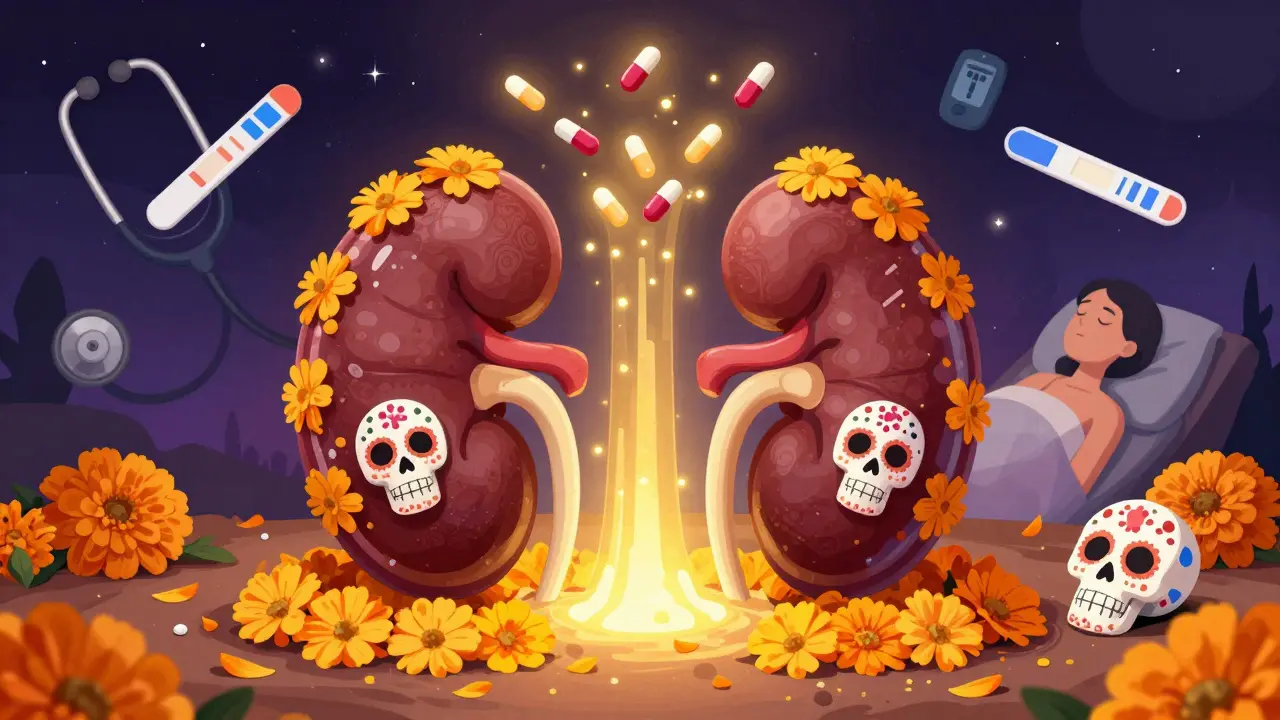
ACE inhibitors and ARBs are the cornerstone of treatment for diabetic nephropathy, reducing proteinuria and slowing kidney damage. Maximal dosing is key-low doses offer little protection. Learn when to use them, when to avoid combinations, and how to handle creatinine changes.
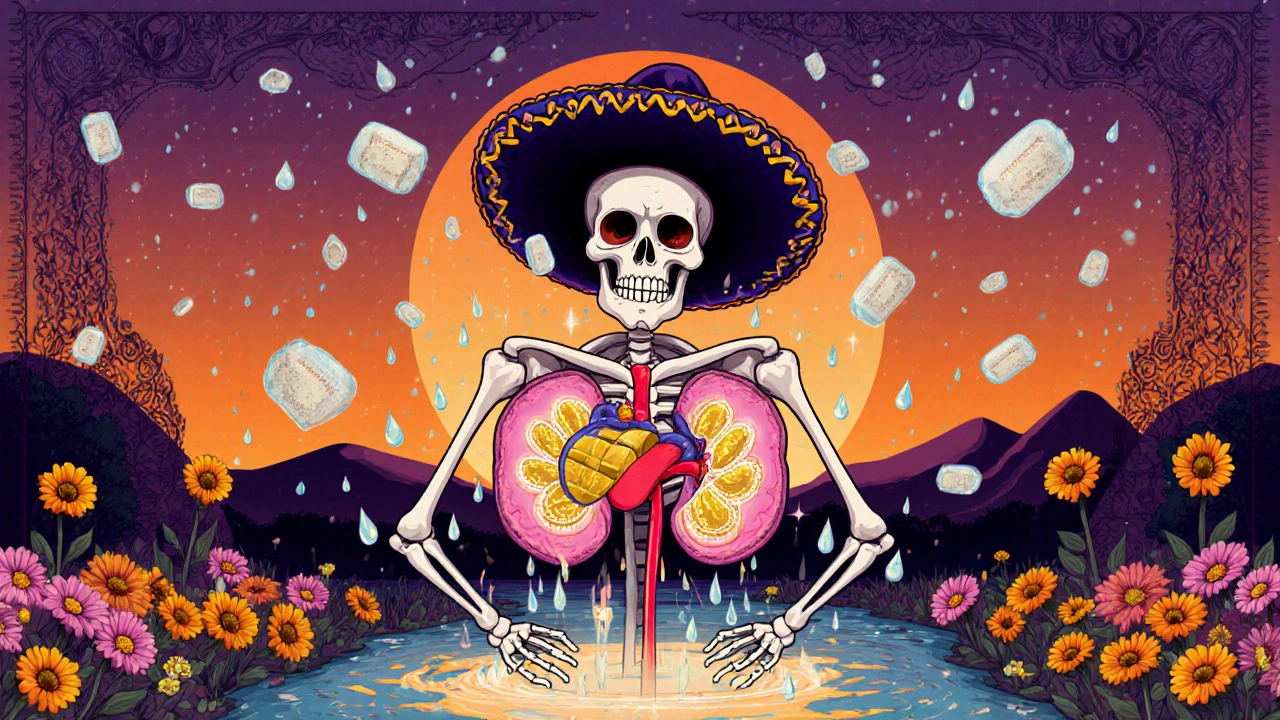
SGLT2 inhibitors like Jardiance and Farxiga lower blood sugar while protecting the heart and kidneys. Learn how they work, who benefits most, and what side effects to watch for.

Alopecia areata is an autoimmune condition causing sudden, patchy hair loss. Learn about its causes, clinical forms, and evidence-based treatments-including corticosteroid injections and FDA-approved JAK inhibitors like baricitinib and ritlecitinib.
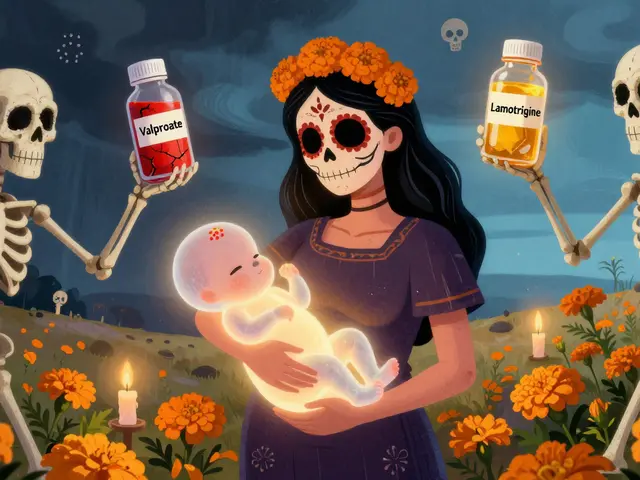
Seizure medications can affect fetal development and interact with birth control. Learn which drugs carry the highest birth defect risks, which are safest during pregnancy, and how drug interactions can impact both seizure control and contraception effectiveness.
Discover where to find free or low-cost medications at community clinics if you're uninsured or underinsured. Learn how FQHCs, free clinics, and pharmaceutical programs help people afford essential prescriptions.
Learn how to choose diabetes medications based on side effect profiles to improve adherence, avoid dangerous reactions, and match treatment to your health goals-without sacrificing blood sugar control.

As a blogger, I've recently researched enteric infections and I'd like to share my findings with you all. Enteric infections are caused by consuming contaminated food or water, and can lead to symptoms such as diarrhea, vomiting, and abdominal pain. They are often caused by viruses, bacteria, or parasites, with some common examples being E. coli and Salmonella. To prevent these infections, it is important to practice good hygiene, regularly wash our hands, and be cautious with the food and water we consume. Remember, prevention is better than cure, so let's stay vigilant and keep ourselves and our loved ones safe from these infections.