
If you’ve heard doctors mention “heart failure,” you might picture a heart that’s stopped working. In reality, it means the heart can’t pump blood as well as it should. That doesn’t mean death is imminent; many people live full lives with proper care.
The first clue is usually shortness of breath – even when you’re just walking across a room. You might also notice swelling in your ankles, feet, or abdomen because fluid builds up when blood backs up. A persistent cough, especially at night, can be another warning sign. Fatigue that doesn’t go away after rest is common too; the heart simply isn’t delivering enough oxygen to keep you energized.
These symptoms often creep in slowly, so it’s easy to chalk them up to aging or a busy lifestyle. If any of these sound familiar, talk to your doctor right away. Early detection makes treatment far more effective.
Managing heart failure starts with lifestyle tweaks. Cut back on salty foods – sodium makes the body hold onto water, worsening swelling. Aim for a balanced diet rich in fruits, veggies, whole grains, and lean protein. Regular, gentle exercise (like walking or swimming) helps strengthen the heart without overloading it.
Medications are the backbone of treatment. ACE inhibitors, beta‑blockers, and diuretics each target a different problem: lowering blood pressure, reducing heart strain, and flushing excess fluid. Your doctor will tailor the mix to your specific condition.
Sometimes devices or surgery become necessary. An implanted defibrillator can correct dangerous rhythms, while a pacemaker helps the heart beat more regularly. In severe cases, procedures like valve repair or even a heart transplant might be options.
Monitoring is key. Keep track of your weight daily – a sudden rise could signal fluid buildup. Use a home blood pressure cuff and record readings. If you notice worsening breathlessness or new swelling, call your healthcare team immediately.
The bottom line: heart failure is manageable when you stay informed and proactive. Know the signs, follow medical advice, and make small daily choices that support your heart. With the right plan, you can keep doing the things you love without letting heart trouble hold you back.

As a blogger, I've come across a crucial topic in managing heart failure - the role of Atenolol-Chlorthalidone. This combination of medications is known to effectively treat high blood pressure, which is a significant risk factor for heart failure. Atenolol, a beta-blocker, helps in reducing the heart rate and blood pressure, while Chlorthalidone, a diuretic, aids in eliminating excess fluid from the body. Together, they work to reduce the workload on the heart, ultimately improving its function and decreasing the risk of heart failure. It's essential to consult with your doctor for proper dosage and prescription to ensure the best possible outcome in managing heart failure.

Cystic fibrosis is a genetic disease causing thick mucus in the lungs and organs. New CFTR modulator drugs like Trikafta have transformed survival rates, but access and cost remain major barriers for many.

Explore how tobacco use fuels pancreatic cancer, the biological mechanisms, risk statistics, and steps to protect yourself.

Learn safe ways to purchase cheap generic Singulair online, compare prices, verify pharmacies, and save on your asthma medication.
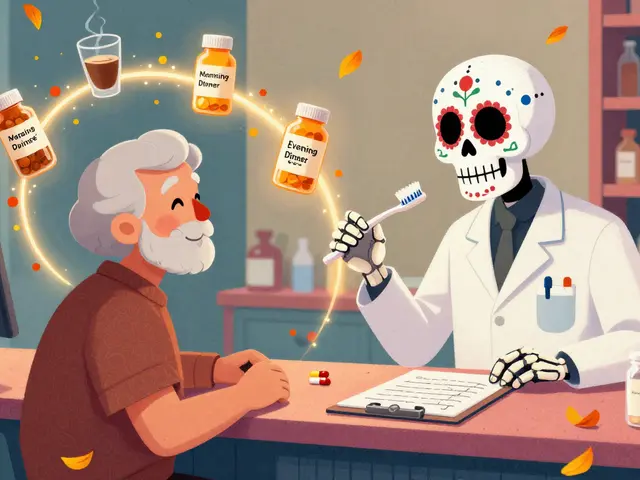
Learn how to build a personalized medication action plan with your care team to improve adherence, avoid side effects, and reduce hospital visits. A clear, simple plan makes managing multiple meds easier and safer.

When a child swallows the wrong medication, immediate action is critical. Call Poison Control at 800-222-1222 first. Avoid inducing vomiting. Know life-threatening symptoms requiring 911. Prevent future incidents with locked storage and smart pill bottles.