
When you start missing parts of conversations or hear ringing in your ears, it might not be just age—it could be hearing loss, a condition where the ability to detect sound decreases, often due to damage to inner ear structures or nerve pathways. Also known as sensorineural hearing impairment, it affects over 48 million Americans and isn’t always permanent—but many cases are preventable.
One of the most overlooked causes is ototoxic drugs, medications that damage the inner ear or auditory nerve. These include certain antibiotics like gentamicin, chemotherapy agents like cisplatin, and even high doses of aspirin or loop diuretics. They don’t always cause immediate problems, but the damage can build up silently. If you’re on long-term meds for high blood pressure, depression, or chronic pain, it’s worth asking your doctor if any could be affecting your hearing. Tinnitus, a persistent ringing, buzzing, or hissing sound in the ears without an external source, often comes hand-in-hand with hearing loss and can be triggered or worsened by these same drugs. It’s not just annoying—it can lead to anxiety, sleep loss, and even depression, especially when no one explains why it’s happening.
Not all hearing loss is drug-related. Noise exposure, genetics, and conditions like diabetes or kidney disease play big roles too. But here’s the thing: many people wait years before getting tested. By then, the brain has already started rewiring itself to compensate, making recovery harder. Early detection with a simple hearing test can make a huge difference. And while hearing aids, electronic devices that amplify sound to help people with hearing loss perceive speech and environmental sounds more clearly aren’t magic, modern ones are smarter, smaller, and more affordable than ever. Some even connect to your phone, adjust automatically in noisy rooms, and help reduce tinnitus. But they only work if you use them—and many people don’t because they think it’s just part of getting older.
What you’ll find in these articles isn’t fluff. It’s real talk about how common medications can quietly harm your hearing, why some people develop tinnitus after starting a new pill, and what steps you can take right now to protect your ears. You’ll learn which drugs carry the highest risk, how to spot warning signs before it’s too late, and how to talk to your pharmacist about alternatives that won’t steal your ability to hear your grandkids laugh. This isn’t about fear—it’s about control. Your hearing matters more than you think, and you don’t have to wait for it to fail before doing something about it.
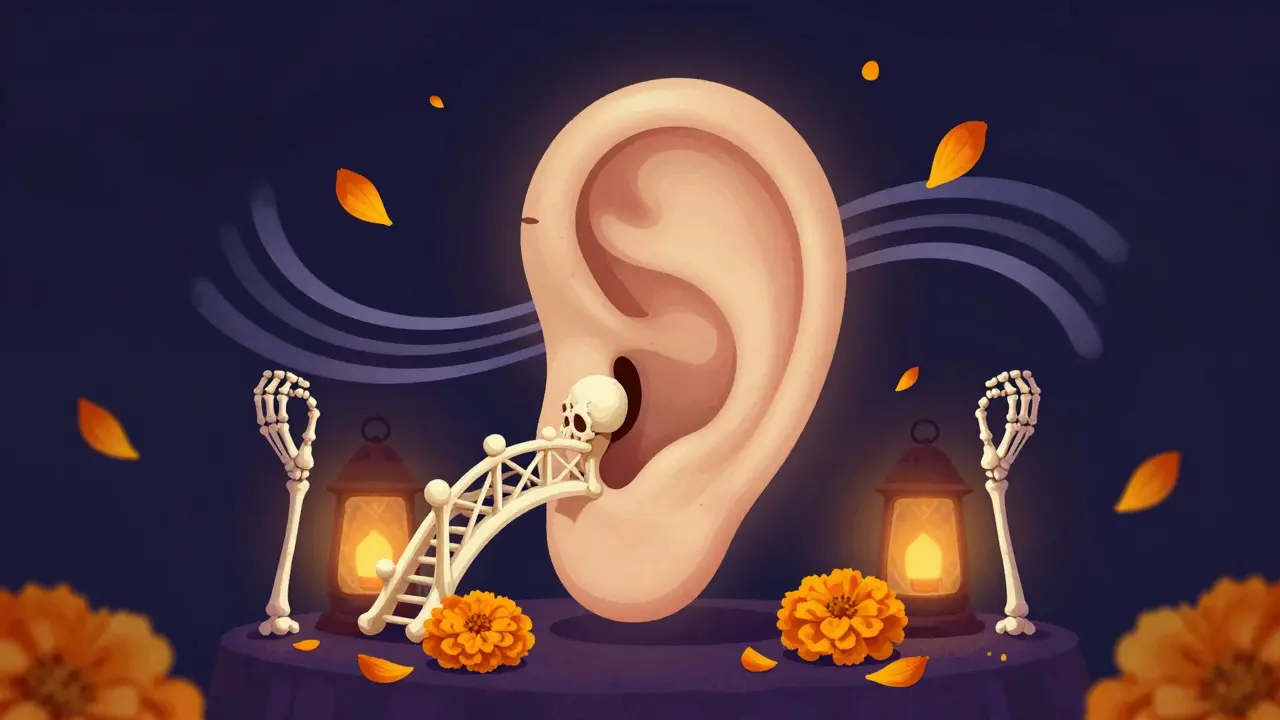
Otosclerosis is a common cause of hearing loss in adults under 50, caused by abnormal bone growth around the stapes. It leads to progressive conductive hearing loss, especially in low tones, but can be effectively treated with hearing aids or surgery.

Tinnitus affects 1 in 5 people and is often linked to hearing loss. Learn the real causes, what actually helps - from hearing aids to CBT - and what to avoid. No magic cures, just science-backed strategies.
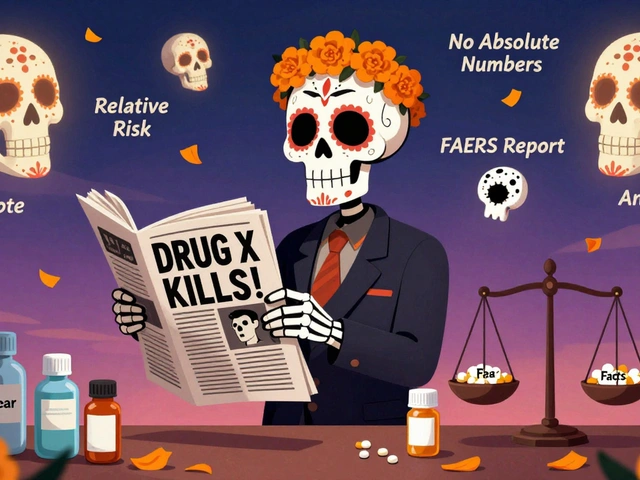
Learn how to spot misleading media reports about drug safety by checking study methods, understanding risk numbers, and verifying sources. Don't let sensational headlines scare you into stopping your medication.

Authorized generics are identical to brand-name drugs but cost less because they skip marketing costs and trigger immediate price competition. Learn how they work, why they’re cheaper, and how to get them.

Hi there, it's your friendly family doctor, here to let you in on some fantastic coupon codes for our online drug store, familydoctor.org. This is a golden opportunity to grab those everyday essential medications and vital prescriptions, without breaking your bank. Don't miss out on these tempting deals that intend to make healthcare easier on your pocket. So, why delay? Come, uncover these discount codes and take a healthy step towards savings!
Wondering why your generic drug suddenly costs more? Learn how tiered copays and PBM rebates determine your prescription prices and how to lower your costs.

Discover why jewelweed supplement is praised for glowing skin and a fortified immune system, backed by science, dosage tips, and a side‑by‑side herb comparison.