

Licorice root can make blood pressure medications less effective by raising sodium, lowering potassium, and increasing fluid retention. Even small amounts over time can lead to dangerous spikes in blood pressure. Know what to avoid and how to stay safe.

Licorice contains glycyrrhizin, which can raise blood pressure and lower potassium, making blood pressure meds less effective. Avoid black licorice if you're on these medications.
Explore how lurasidone impacts cognition in schizophrenia and bipolar disorder, reviewing clinical trials, mechanisms, and practical guidance for clinicians.
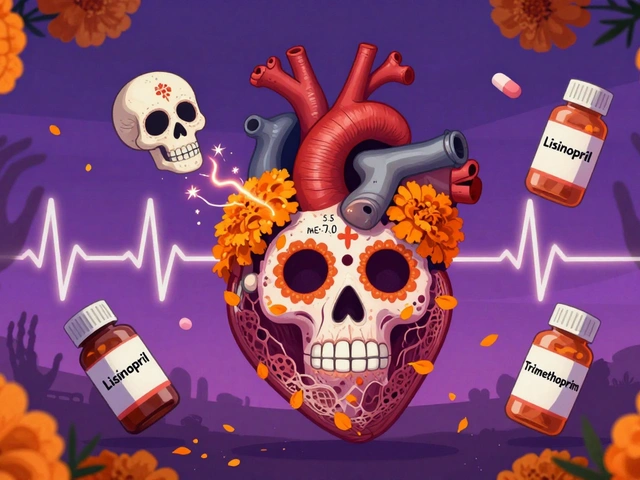
High potassium from common heart and kidney meds can trigger life-threatening heart rhythms. Learn how medications cause hyperkalemia, the silent warning signs, and how new treatments let you stay on life-saving drugs safely.
Lower GI bleeding is often caused by diverticula or angiodysplasia, especially in older adults. Learn how doctors diagnose and treat these common but different conditions, and why early intervention matters.

Inflammation’s role in Alzheimer's Disease is a topic of growing interest. This article explores the connection between chronic inflammation and cognitive decline, provides insights into possible causes, and discusses ways to manage inflammation to support brain health. Understanding inflammation's impact on Alzheimer’s could open doors to new treatments and prevention strategies.
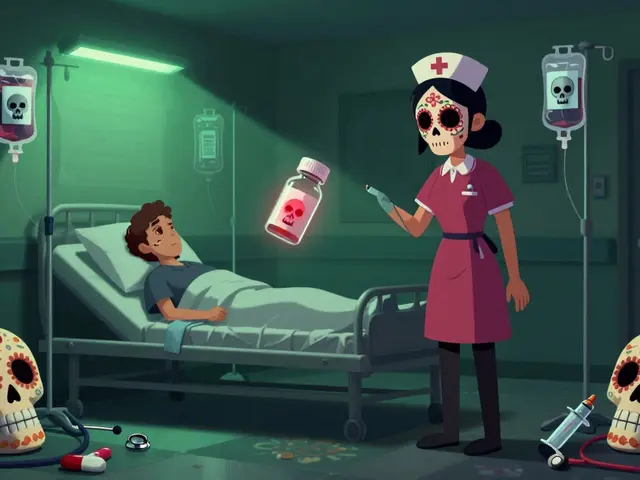
Night shifts increase medication errors by over 12% due to fatigue. Learn which medications worsen drowsiness, why naps aren't enough, and what real system changes can prevent deadly mistakes.