
When you pick up a prescription, you might see two options: the familiar brand name or a cheaper generic. But are they really the same? Generic drugs, medications that contain the same active ingredient as a brand-name drug but are sold after the patent expires. Also known as non-brand drugs, they must meet the same FDA standards for safety, strength, and quality—so they work the same way in your body. The big difference? Price. Generic drugs often cost 80% less because they don’t carry the marketing, advertising, and research costs that brand-name companies do.
But here’s where it gets tricky: not all generics are created equal. Authorized generics, exact copies of brand-name drugs made by the same company under a different label are identical in every way—including inactive ingredients. Meanwhile, regular generics might use different fillers, dyes, or binders. For most people, that doesn’t matter. But if you’re sensitive to lactose, gluten, or certain dyes, those inactive ingredients, non-medical components in pills that help with stability, taste, or absorption can cause reactions. That’s why some patients report different side effects after switching—even though the active drug is unchanged.
And price isn’t always the full story. When a second or third generic enters the market, prices drop even further—sometimes by over 50%. But if only one generic is available, the price might still be high. That’s why knowing the difference between a regular generic and an authorized generic, a version produced by the original brand manufacturer under a different name can save you money without risking effectiveness. Authorized generics are often the best deal: same formula as the brand, same manufacturer, but without the brand-name markup.
Some people worry that generics are "inferior," but the FDA doesn’t allow that. Every generic must prove it delivers the same amount of medicine into your bloodstream as the brand. Studies show they work just as well for conditions like high blood pressure, diabetes, and depression. But if you’ve ever felt different after switching—slower relief, new side effects, or just a gut feeling—you’re not imagining it. The difference might be in the inactive ingredients, how your body absorbs the drug, or even the pill’s size and shape affecting how quickly it dissolves.
When your doctor suggests switching to a generic, ask: Is this an authorized generic? Does it have the same inactive ingredients as my current pill? And if you’ve had reactions before, check the label. Your pharmacist can help you compare. You don’t need to stick with a brand-name drug just because it feels safer—unless your body tells you otherwise.
Below, you’ll find real stories and facts about how people navigate this choice—from those who saved hundreds a month with generics, to others who had to switch back after unexpected side effects. You’ll learn how to spot the difference between generics, when to push for an authorized version, and how to talk to your pharmacist about what’s really in your pills. This isn’t about marketing. It’s about making sure your medication works for you—not just your budget.

Generic medications can save patients thousands of dollars over a lifetime when managing chronic conditions like diabetes, hypertension, and asthma. Learn how generics work, why they’re just as effective, and how to maximize your savings.

Beta-blockers and calcium channel blockers can be safely combined for high blood pressure and angina - but only if the right type of calcium channel blocker is used. Verapamil and diltiazem pose serious heart risks when paired with beta-blockers.

Get the inside scoop on Lariam—an antimalarial that saves lives, but not without controversy. Explore its uses, side effects, and true risk.
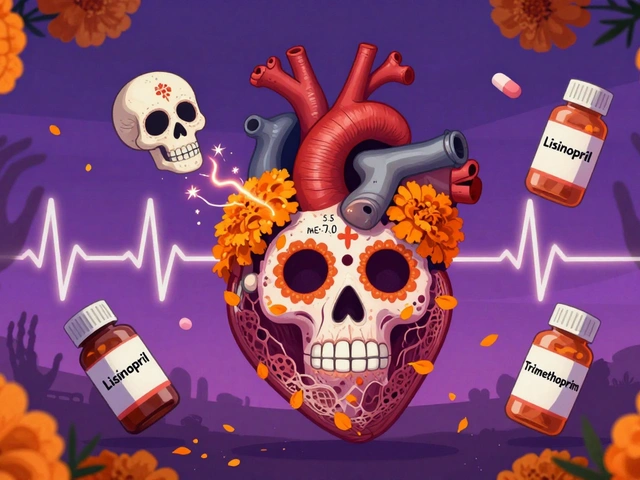
High potassium from common heart and kidney meds can trigger life-threatening heart rhythms. Learn how medications cause hyperkalemia, the silent warning signs, and how new treatments let you stay on life-saving drugs safely.

Alopecia areata is an autoimmune condition causing sudden, patchy hair loss. Learn about its causes, clinical forms, and evidence-based treatments-including corticosteroid injections and FDA-approved JAK inhibitors like baricitinib and ritlecitinib.
Discover hidden dangers in cold/allergy medication combinations. Learn critical ingredient interactions, avoid accidental overdoses, and decode confusing labels safely.