
When you hear generic drug, a medication that contains the same active ingredient as a brand-name drug but is sold under its chemical name. Also known as non-brand medication, it works the same way, has the same risks, and is held to the same FDA standards—you might think you’re getting a lesser version. But that’s not true. Generic drugs deliver the exact same clinical results as their brand-name cousins, often at a fraction of the cost. The only real difference? The price tag—and sometimes the color of the pill.
The biggest generic drug benefits, the financial and practical advantages of using FDA-approved generic medications instead of brand-name versions come down to one thing: competition. Once a brand-name drug’s patent expires, other manufacturers can make the same medicine. That’s when prices drop—fast. In fact, second and third generic manufacturers can slash prices by 50% or more. And if you’re lucky enough to get an authorized generic, a version made by the original brand company under a different label, identical in every way to the brand-name drug, you’re getting the exact same product for less. No cut corners. No hidden trade-offs. Just savings.
Some people worry about inactive ingredients in generics—things like fillers or dyes that don’t affect how the drug works but can trigger allergies in rare cases. That’s why it’s smart to check the label if you’ve had reactions before. But for most people, the only thing that changes is the cost. And that’s a big deal. A single prescription for a brand-name drug can cost hundreds. The generic? Often under $10. That’s not a small win—it’s life-changing for people managing chronic conditions like diabetes, high blood pressure, or depression.
And here’s the thing most people don’t realize: generic drugs aren’t just cheaper. They’re also the reason drug prices are falling across the board. When multiple companies make the same medicine, pharmacies start competing too. That’s why your local pharmacy might offer a $4 generic list. That’s why insurance companies push generics. That’s why millions of Americans can afford their meds at all.
Switching from brand to generic isn’t a compromise—it’s a smart upgrade. You get the same effectiveness, the same safety, and the same results. You just keep more money in your pocket. And if you’ve been told your medication "doesn’t work as well" as the brand? That’s not science. That’s marketing.
Below, you’ll find real-world guides on how to navigate generic switches, spot the best deals, understand why some generics cost more than others, and even how to ask your pharmacist for an authorized version without sounding like you’re questioning their judgment. These aren’t theory pieces. They’re tools you can use today to save money, avoid side effects, and take control of your treatment.
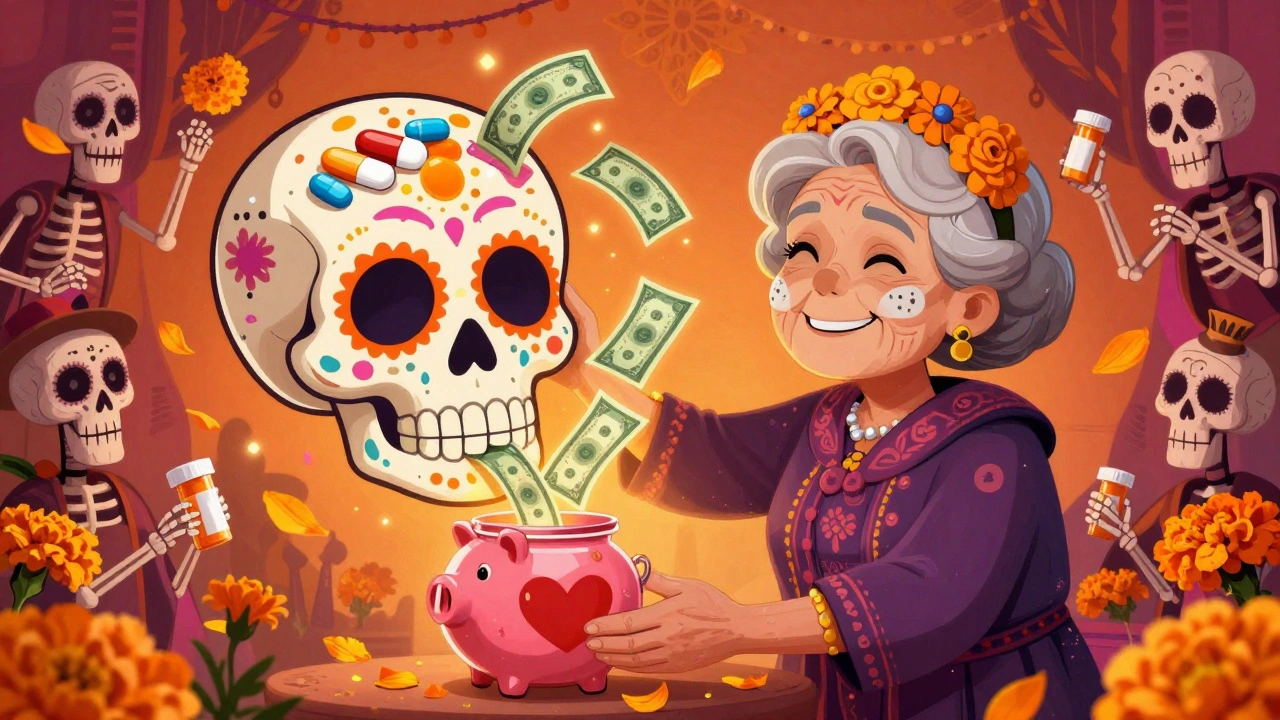
Generic medications can save patients thousands of dollars over a lifetime when managing chronic conditions like diabetes, hypertension, and asthma. Learn how generics work, why they’re just as effective, and how to maximize your savings.

Thyroid storm is a rare but deadly complication of untreated hyperthyroidism, requiring urgent ICU care. Learn the signs, triggers, and life-saving treatments that can turn the tide in this endocrine emergency.

Beta-blockers and calcium channel blockers can be safely combined for high blood pressure and angina - but only if the right type of calcium channel blocker is used. Verapamil and diltiazem pose serious heart risks when paired with beta-blockers.
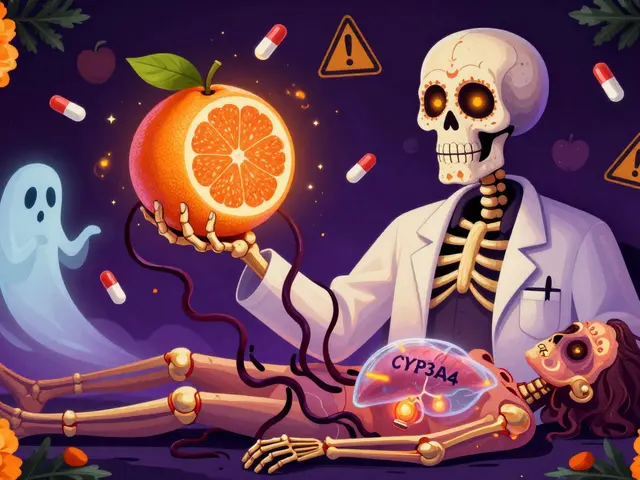
Grapefruit can dangerously increase statin levels in your blood, raising the risk of muscle damage and kidney failure. Learn which statins are affected, how to stay safe, and what to do if you love grapefruit.
As a dental health enthusiast, I recently learned about the fascinating connection between calcium acetate and dental health. Calcium acetate, a compound found in some dental products, helps to combat tooth decay and promote healthy gums. It works by neutralizing the acids in our mouth, which are responsible for breaking down tooth enamel. Additionally, calcium acetate aids in remineralizing our teeth, making them stronger and more resistant to cavities. Incorporating dental products containing calcium acetate into our oral hygiene routine can significantly improve our overall dental health.
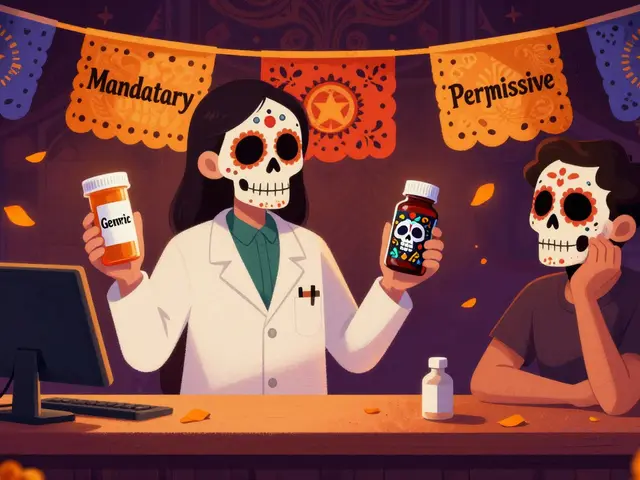
State laws on generic drug substitution vary widely across the U.S., affecting cost, safety, and pharmacist workload. Learn how mandatory vs. permissive rules, patient consent, biologic restrictions, and liability protections differ by state-and what it means for you.