
If you’ve ever Googled a drug name, you know how easy it is to run into confusing claims. Some say all antibiotics kill good bacteria, others swear that natural supplements are always safe. These ideas can make you skip treatment or take the wrong dose. Below we sort out the noise and give you straight answers you can trust.
People love quick fixes. A headline like “All pills cause weight gain” grabs attention, even if it’s not true. Social media amplifies that effect—one shaky anecdote can turn into a trending belief before anyone checks the facts. Add to that marketing hype and outdated advice from old textbooks, and you have a perfect storm for misinformation.
Another driver is personal experience. If someone felt jittery after caffeine pills, they might assume every stimulant works the same way. While experience matters, it’s not a substitute for evidence. That’s why looking at clinical data or reputable sources helps separate real risks from isolated reactions.
1. “All antibiotics are dangerous for your gut.” Antibiotics do affect gut bacteria, but they’re essential for fighting bacterial infections. The key is using them only when prescribed and finishing the course. Probiotics can help restore balance afterward, but you don’t have to avoid antibiotics altogether.
2. “Natural supplements are automatically safe.” Herbs like St. John’s wort interact with many prescription drugs, changing how they work. Vitamin overdoses can cause liver damage or kidney stones. Treat supplements like any other medication: read labels, check dosages, and ask your doctor.
3. “If a drug is cheap online, it must be fake.” Low price doesn’t always mean counterfeit, but you should verify the pharmacy’s license and look for reviews. Sites that require a prescription and have clear contact info are usually safer than anonymous sellers.
4. “You can mix alcohol with any medication without issues.” Alcohol can boost side effects of drugs like spironolactone or increase liver strain. Mixing even small amounts can change how the medicine is processed, leading to unexpected drowsiness or toxicity.
5. “If a drug works for one person, it will work the same for everyone.” Genetics, age, other meds, and health conditions all influence effectiveness. That’s why doctors tailor doses instead of using a one‑size‑fits‑all approach.
The bottom line? Don’t let a catchy headline dictate your health choices. When you hear a claim that sounds too good—or too scary—check the source, ask a professional, and weigh the evidence. By staying curious and skeptical, you protect yourself from false advice while getting the real benefits of modern medicine.

In my latest blog post, I've tackled some common myths surrounding breathing disorders. I've busted several misconceptions like the belief that asthma is always outgrown in adulthood, or that sleep apnea only affects overweight individuals. By shedding light on these misconceptions, I hope to provide a clearer understanding of these conditions, and remind everyone that proper diagnosis and treatment are crucial. Breathing disorders are serious and shouldn't be taken lightly, and it's high time we separate fact from fiction. Stay tuned for more health myth-busting posts!

Alopecia areata is an autoimmune condition causing sudden, patchy hair loss. Learn about its causes, clinical forms, and evidence-based treatments-including corticosteroid injections and FDA-approved JAK inhibitors like baricitinib and ritlecitinib.

Explore how antioxidant supplements can reduce oxidative stress, ease pain, and support standard therapy for chronic pancreatitis, with dosing tips and safety advice.
Night shifts increase medication errors by over 12% due to fatigue. Learn which medications worsen drowsiness, why naps aren't enough, and what real system changes can prevent deadly mistakes.

A detailed look at Flunil (Fluoxetine) compared with other antidepressants. Learn mechanisms, dosing, side‑effects, cost and how to pick the right option for you.
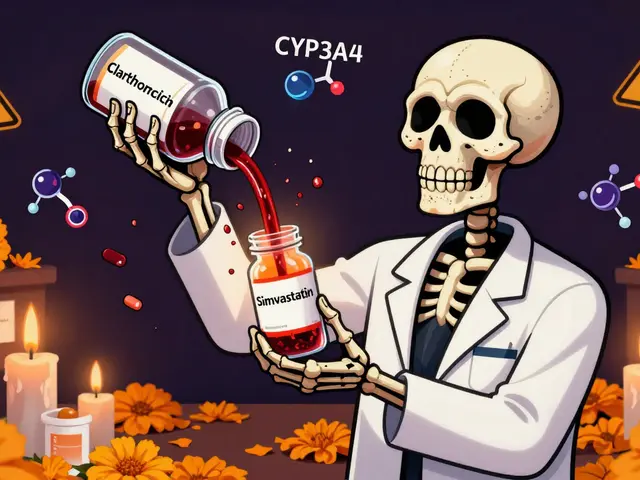
Drug interactions can turn mild side effects into life-threatening events. Learn how common meds, foods, and genetics combine to increase risks-and what you can do to stay safe.