
When you're starting out with carb counting for beginners, a simple method to track how many carbohydrates you eat each day to manage blood sugar levels. It's not about cutting out carbs entirely—it's about knowing how much you're eating so your body can handle it better, especially if you have diabetes or take insulin. Many people think it’s complicated, but it’s really just learning to read labels, recognize portion sizes, and make small swaps that add up.
Carb counting works because carbohydrates turn into glucose in your body, and glucose is what raises your blood sugar. If you eat too many carbs at once, your blood sugar spikes. If you don’t eat enough, it can drop too low. The goal is balance. You don’t need to count every single gram right away. Start with knowing that one serving of carbs—like one slice of bread, half a cup of rice, or one small apple—is about 15 grams. That’s your basic unit. Most people with diabetes aim for 45 to 60 grams per meal, but your doctor or dietitian can help you find your personal number.
It’s not just about rice and pasta. Carbs are in fruits, milk, yogurt, beans, and even some vegetables like potatoes and corn. Even sugar-free products can have carbs from sugar alcohols. That’s why reading food labels matters. Look for "Total Carbohydrates" on the nutrition facts panel. If you’re eating something without a label, like a banana or a bowl of soup, there are free apps and charts that show average carb amounts. You’ll also learn how different carbs affect you. White bread might spike your sugar fast, while oatmeal might give you steady energy. That’s personal data you collect over time.
Carb counting isn’t just for people on insulin. Even if you manage diabetes with diet and pills, knowing your carb intake helps you predict how you’ll feel after meals. It connects directly to blood sugar management, the practice of keeping glucose levels within a healthy range through food, activity, and medication. It also helps when you’re trying to lose weight or just feel more in control of your eating habits. You don’t need to be perfect. Some days you’ll guess right. Other days you’ll overdo it. That’s okay. The point is to notice patterns. Did your sugar climb after that pasta dinner? Try half the portion next time and see what happens.
Some people pair carb counting with insulin dosing, adjusting insulin doses based on the amount of carbs eaten to match blood sugar needs. This is called insulin-to-carb ratio, and it’s a powerful tool if your doctor recommends it. But you don’t need to jump into that right away. Focus first on learning what’s in your food. Once you’re comfortable with that, you can add more layers.
What you’ll find in the posts below aren’t theory-heavy guides or rigid meal plans. These are real, practical stories and tips from people who’ve been where you are. You’ll see how someone managed their carb intake while eating out, how a parent helped their child track carbs at school, and how switching from white bread to whole grain made a difference without feeling deprived. No jargon. No overwhelm. Just clear, simple advice that fits into real life.
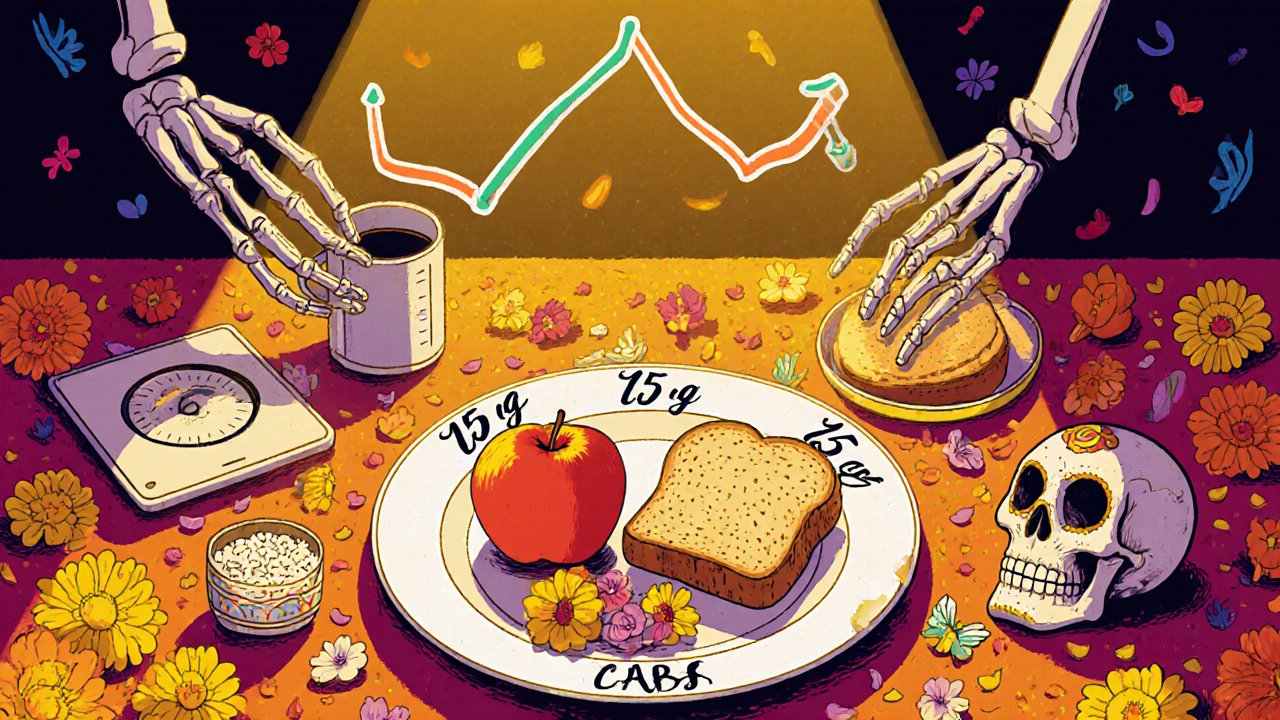
Learn how to count carbohydrates for diabetes management with this beginner-friendly guide. Understand carb servings, insulin ratios, reading labels, and avoiding common mistakes to take control of your blood sugar.

Albendazole resistance is rising in many parts of the world due to overuse and underdosing. Learn why it happens, how it spreads, and what combinations and practices actually work when the drug fails.

Digital tools can help you avoid dangerous interactions between generic drugs, but not all apps are equal. Learn which ones actually work, what they miss, and how to stay safe when buying meds online.

Grapefruit can dangerously increase statin levels in your blood, raising the risk of muscle damage and kidney failure. Learn which statins are affected, how to stay safe, and what to do if you love grapefruit.

Anxiety disorders affect nearly 1 in 5 adults and include types like GAD, panic disorder, and social anxiety. Evidence-based treatments like CBT and SSRIs are highly effective, with new options like digital apps and zuranolone emerging in 2023.
Learn how to spot misleading media reports about drug safety by checking study methods, understanding risk numbers, and verifying sources. Don't let sensational headlines scare you into stopping your medication.