
When you feel your heart race, your thoughts spin, or you can’t shake a sense of dread—even when there’s no real danger—you might be dealing with anxiety, a group of mental health conditions marked by excessive fear, worry, and physical tension. Also known as anxiety disorders, these aren’t just "being nervous"—they’re persistent, disruptive, and often misunderstood. About 1 in 5 adults in the U.S. experiences one of these disorders each year, and many don’t realize it’s treatable.
CBT for anxiety, a structured form of talk therapy that helps rewire how you respond to fear is one of the most proven tools out there. It doesn’t rely on pills—it teaches you to spot distorted thoughts, challenge them, and slowly face what scares you. Meanwhile, SSRIs for anxiety, a class of antidepressants that increase serotonin to calm overactive brain circuits are often prescribed because they work for multiple types of anxiety, from panic attacks to social dread. But they’re not magic—they take weeks to kick in, and they’re most effective when paired with therapy.
Anxiety doesn’t look the same in everyone. Some people have sudden, terrifying panic attacks. Others live with constant, low-grade worry that eats at their focus and sleep. Some freeze in crowds; others obsess over health, money, or what others think. That’s why treatments vary. A person with social anxiety might need exposure therapy and a low-dose SSRI. Someone with generalized anxiety might benefit from mindfulness and a different medication like buspirone. And newer options—like digital CBT apps or the FDA-approved zuranolone for postpartum anxiety—are expanding what’s possible.
What you won’t find here are quick fixes or miracle cures. But you will find real stories, real science, and real advice from people who’ve been there. We’ve gathered posts that cut through the noise: how to tell if your anxiety is a disorder, why some meds work better than others, what to ask your doctor about side effects, and how therapy changes your brain over time. You’ll also see how anxiety interacts with other conditions—like alcohol use, chronic pain, or diabetes meds—because it rarely travels alone.
This isn’t about labeling yourself. It’s about understanding what’s happening inside you—and finding a path that actually works, without shame or guesswork. Below, you’ll find clear, no-fluff guides on the treatments that matter, the mistakes to avoid, and the hidden connections between anxiety and your overall health. Start where you are. You’re not alone, and help is more accessible than you think.

Partial onset seizures don't just affect the body-they deeply impact mental health, often leading to depression and anxiety. Learn how brain changes, medication side effects, and social stigma shape emotional well-being-and what actually helps.

Inflammation doesn’t always need a prescription pad and a bottle of steroids. This article dives deep into well-researched natural anti-inflammatories like curcumin, boswellia, omega-3s, and other botanicals. Learn how these alternatives function, their proven benefits, and practical tips for getting the most out of them—without the side effects of pharmaceuticals. Discover how you can harness the power of nature to tame inflammation and support your health.

High potassium from common heart and kidney meds can trigger life-threatening heart rhythms. Learn how medications cause hyperkalemia, the silent warning signs, and how new treatments let you stay on life-saving drugs safely.

Safe, legal ways to buy Protonix online in 2025. Verify pharmacies, compare prices, use coupons, and avoid scams. Clear steps, risks, and smart alternatives.
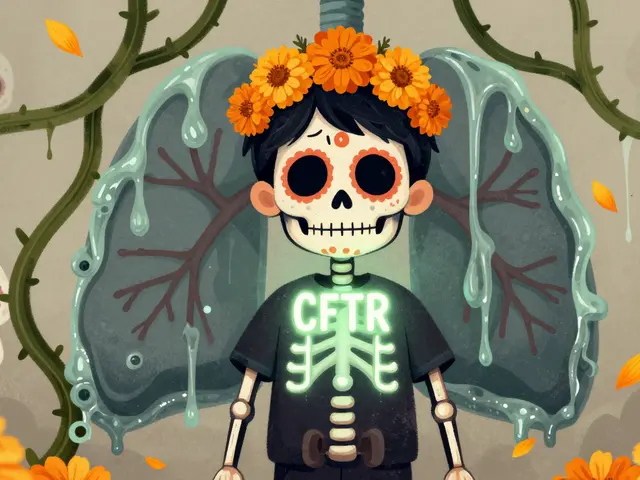
Cystic fibrosis is a genetic disease causing thick mucus in the lungs and organs. New CFTR modulator drugs like Trikafta have transformed survival rates, but access and cost remain major barriers for many.

A clear, side‑by‑side comparison of Requip (ropinirole) with other Parkinson's meds, covering efficacy, dosing, side‑effects, and how to choose the right option.