
When you start an antidepressant, a medication used to treat depression, anxiety, and some chronic pain conditions. Also known as antidepressive drugs, these medications work by changing brain chemicals like serotonin and norepinephrine to improve mood. But while they help millions, they don’t come without trade-offs. Side effects are common—some mild, some serious—and knowing what to watch for can make all the difference in sticking with treatment.
Not all antidepressants are the same. SSRIs, a class of antidepressants that increase serotonin levels, including drugs like sertraline and fluoxetine are often first-line because they’re generally safer than older types. But even SSRIs can cause nausea, insomnia, sexual dysfunction, or weight gain. Tricyclic antidepressants, older medications like imipramine and amitriptyline, often used when SSRIs don’t work tend to cause more dry mouth, dizziness, and blurred vision. And then there’s the rare but dangerous serotonin syndrome, a life-threatening reaction caused by too much serotonin in the brain, often from mixing meds. It’s not common, but if you get confusion, rapid heart rate, or muscle stiffness within days of starting or changing a dose, get help immediately.
Many people quit antidepressants because of side effects—not because they didn’t work, but because they didn’t know what was normal. Weight gain? Common with some meds. Sleepiness? Often temporary. But if your side effects feel unbearable, talk to your doctor. There’s a good chance another drug in the same class or a different one might suit you better. You’re not failing. You’re just finding the right fit.
The posts below cover real-world experiences and clinical insights on how these drugs affect people. You’ll find comparisons between meds like Anafranil and SSRIs, what to expect with imipramine, how to handle drug interactions, and how inactive ingredients in generics can trigger unexpected reactions. This isn’t just a list of risks—it’s a guide to navigating them wisely.
Psychiatric polypharmacy-taking multiple mental health medications at once-is common but often unsupported by evidence. Learn why it happens, the risks involved, and how to safely reduce unnecessary drugs without losing stability.

Hello there! In today's post, we're discussing a vital topic, which is the role of Alfacalcidol in preventing Rickets in children. It's crucial for us, as parents, to understand what exactly Alfacalcidol is and how it plays an integral role in strengthening our children's health. I'll be providing information about this amazing form of Vitamin D and highlighting how its timely administration can contribute significantly towards the prevention of rickets. Stay tuned for an insightful read!

Cutaneous lupus causes skin rashes triggered by UV light. Learn how sunlight activates immune responses, what protective measures actually work, and the latest treatments to prevent flares and protect your skin.

Neurontin (Gabapentin) is commonly used for epilepsy and nerve pain, but it’s not the only option out there. This article explores eight different alternatives available in 2025, weighing their benefits and downsides. Whether you’re seeking different epilepsy treatments or exploring options for bipolar disorder, this guide will help you navigate your choices. Each option is described with practical pros and cons to help you make an informed decision.
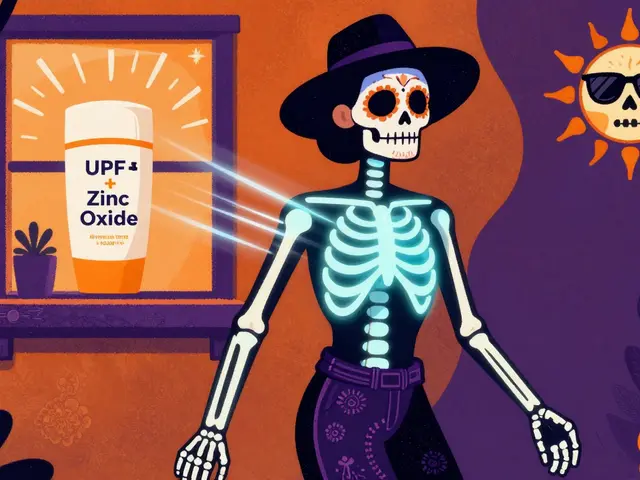
Doxycycline and TMP-SMX (Bactrim) can make your skin dangerously sensitive to sunlight, causing severe sunburns and long-term damage. Learn how to protect yourself with sunscreen, clothing, and smart habits.

A detailed side‑by‑side look at Periactin (Cyproheptadine) versus other antihistamines, covering uses, dosing, side effects, and how to pick the best option for you.