
When you pick up a prescription or buy over-the-counter pills, there’s a small code printed on the bottle or box—often called a traceability lot code, a unique identifier assigned to a specific batch of medication during manufacturing. Also known as batch number, it’s not just for inventory. It’s your lifeline if something goes wrong. If a drug gets recalled because of contamination, mislabeling, or dangerous side effects, this code lets regulators and pharmacies pinpoint exactly which pills are risky—and which ones are safe to keep using.
Every time a pharmacy gets a new shipment of medicine, they check the traceability lot code against official alerts. If your bottle’s code matches a recalled batch, you’re notified immediately. This system saves lives. It’s how we know whether that batch of metformin from last month had too much NDMA, or if that generic ibuprofen was mixed with the wrong powder. Without this code, recalls would be guesswork—hundreds of thousands of bottles might be thrown out, while dangerous ones stay on shelves.
The pharmaceutical supply chain relies on this code to track where each pill came from, who made it, and when. It connects manufacturers, distributors, and pharmacies in a chain of accountability. If a drug causes unexpected harm, the lot code helps trace the problem back to the source—whether it’s a faulty mixing machine, a contaminated raw ingredient, or a shipping error. That’s why you’ll see this code on everything from insulin pens to cholesterol pills to antiviral tablets.
And it’s not just for recalls. If you have an allergic reaction to an inactive ingredient like lactose or FD&C yellow dye, your pharmacist can use the lot code to check if other people had the same reaction with that exact batch. It’s how we know that one batch of generic clomipramine caused more dizziness than others—because the excipients weren’t mixed right.
Some people think lot codes are just boring numbers. But they’re the quiet guardians of your safety. They’re why you can trust that the pills you take today won’t be the same ones that made someone else sick last year. When you hold your medication, you’re holding more than a pill—you’re holding a record. And that record is there to protect you.
Below, you’ll find real-world guides that connect traceability lot codes to medication safety, generic drug risks, and how drug recalls actually work. These aren’t theory pieces—they’re practical tools to help you read your labels, ask the right questions, and stay safe when things go wrong.
The FDA uses Traceability Lot Codes to quickly track contaminated food batches, cutting outbreak response time from weeks to hours. Learn how the system works, which foods are covered, and what businesses must do to comply.
Statins are safe and beneficial for people with liver disease, reducing heart attack risk and improving liver outcomes. Learn why doctors should prescribe them-and why patients need to ask.

In my latest blog post, I discuss the incredible benefits of Sweet Sumach, a powerful plant-based solution for optimal health. This amazing herb has been found to possess potent antioxidants, anti-inflammatory properties, and can even help regulate blood sugar levels. Not only does it contribute to overall well-being, but it also supports a healthy weight and benefits our heart health. I highly recommend incorporating Sweet Sumach into your daily routine to experience its numerous health benefits. Be sure to check out the full post for more information and tips on how to use this fantastic natural remedy.
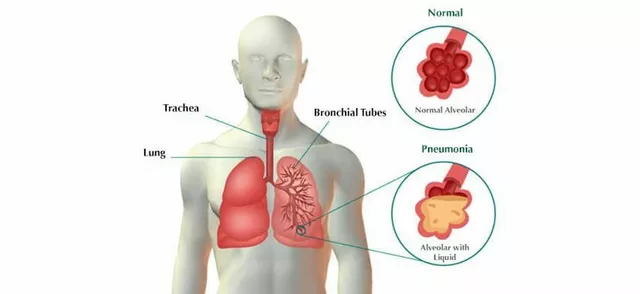
As a blogger, I want to share some important information about pneumonia and diabetes. Pneumonia is a serious infection that affects the lungs, and people with diabetes have a higher risk of developing it due to their weakened immune systems. It's crucial for diabetics to be aware of the symptoms, such as coughing, fever, and difficulty breathing, and seek medical attention promptly if they suspect pneumonia. Moreover, maintaining good blood sugar control and getting vaccinated for pneumonia can help prevent this dangerous infection. So, let's stay informed and take the necessary precautions to safeguard our health.
Learn where to find trusted online pharmacies, compare prices, verify legitimacy, and safely purchase cheap generic clindamycin with step‑by‑step guidance.
Learn how to safely buy cheap generic Cymbalta online in Canada. Get price comparisons, safety tips, ordering steps, and a FAQ to avoid scams.