
When you hear Tofranil, a tricyclic antidepressant originally developed in the 1950s to treat depression. Also known as imipramine, it works by balancing neurotransmitters like serotonin and norepinephrine in the brain to improve mood and reduce anxiety. Unlike newer SSRIs, Tofranil affects multiple brain chemicals at once—which can make it more effective for some people, but also increases the chance of side effects.
Tofranil isn’t just for depression. Doctors also prescribe it for panic disorder, chronic pain, and bedwetting in children. It’s one of the oldest antidepressants still in use, and while newer drugs get more attention, many patients find Tofranil works better when others fail. That’s why it still shows up in prescriptions today, especially for people who’ve tried other meds without success. It’s not a quick fix—most people need 2 to 4 weeks to feel any change, and the full effect can take up to 8 weeks. If you’re on it, patience matters. So does sticking to your dose, even if you start feeling better.
Side effects are common with Tofranil. Dry mouth, drowsiness, weight gain, and blurred vision are typical. Some people get dizziness when standing up fast—a sign of low blood pressure. Heart rhythm changes are rare but serious, which is why doctors check your heart before starting and sometimes during treatment. If you have a history of heart problems, glaucoma, or seizures, Tofranil might not be right for you. It also interacts with many other drugs, including painkillers, antifungals, and even some herbal supplements. Always tell your doctor everything you’re taking.
What makes Tofranil stand out isn’t just its history—it’s how it fits into real lives. People who’ve tried SSRIs with little relief often turn to it. Parents use it for bedwetting when behavioral methods don’t work. People with nerve pain find relief when standard pain meds fall short. It’s not glamorous, but for many, it’s the one that finally helped. The posts below cover real-world experiences: how Tofranil compares to other tricyclics like amitriptyline, what it’s like to switch from an SSRI, how to manage side effects without quitting, and why some patients stay on it for years. You’ll find stories from people who’ve been there, not just textbook facts. Whether you’re considering Tofranil, already taking it, or just trying to understand why your doctor recommended it, this collection gives you the practical details you won’t find in a pamphlet.

A deep dive into imipramine's discovery, FDA approval, clinical impact, and why it still matters in modern psychiatry.

A detailed side‑by‑side look at Periactin (Cyproheptadine) versus other antihistamines, covering uses, dosing, side effects, and how to pick the best option for you.

When a child swallows the wrong medication, immediate action is critical. Call Poison Control at 800-222-1222 first. Avoid inducing vomiting. Know life-threatening symptoms requiring 911. Prevent future incidents with locked storage and smart pill bottles.
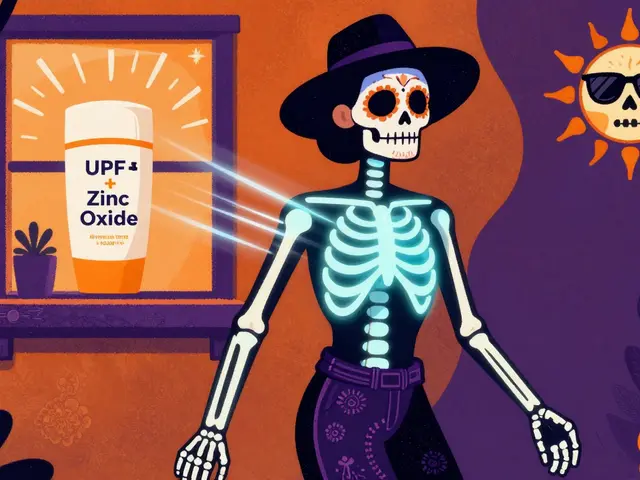
Doxycycline and TMP-SMX (Bactrim) can make your skin dangerously sensitive to sunlight, causing severe sunburns and long-term damage. Learn how to protect yourself with sunscreen, clothing, and smart habits.

Digital tools can help you avoid dangerous interactions between generic drugs, but not all apps are equal. Learn which ones actually work, what they miss, and how to stay safe when buying meds online.

A detailed, people‑first guide comparing Aceon (perindopril+erbumine) with other ACE inhibitors and ARBs, covering efficacy, side‑effects, dosing and when to choose each option.