
When you hear Tofranil, a tricyclic antidepressant originally developed in the 1950s to treat depression. Also known as imipramine, it works by balancing neurotransmitters like serotonin and norepinephrine in the brain to improve mood and reduce anxiety. Unlike newer SSRIs, Tofranil affects multiple brain chemicals at once—which can make it more effective for some people, but also increases the chance of side effects.
Tofranil isn’t just for depression. Doctors also prescribe it for panic disorder, chronic pain, and bedwetting in children. It’s one of the oldest antidepressants still in use, and while newer drugs get more attention, many patients find Tofranil works better when others fail. That’s why it still shows up in prescriptions today, especially for people who’ve tried other meds without success. It’s not a quick fix—most people need 2 to 4 weeks to feel any change, and the full effect can take up to 8 weeks. If you’re on it, patience matters. So does sticking to your dose, even if you start feeling better.
Side effects are common with Tofranil. Dry mouth, drowsiness, weight gain, and blurred vision are typical. Some people get dizziness when standing up fast—a sign of low blood pressure. Heart rhythm changes are rare but serious, which is why doctors check your heart before starting and sometimes during treatment. If you have a history of heart problems, glaucoma, or seizures, Tofranil might not be right for you. It also interacts with many other drugs, including painkillers, antifungals, and even some herbal supplements. Always tell your doctor everything you’re taking.
What makes Tofranil stand out isn’t just its history—it’s how it fits into real lives. People who’ve tried SSRIs with little relief often turn to it. Parents use it for bedwetting when behavioral methods don’t work. People with nerve pain find relief when standard pain meds fall short. It’s not glamorous, but for many, it’s the one that finally helped. The posts below cover real-world experiences: how Tofranil compares to other tricyclics like amitriptyline, what it’s like to switch from an SSRI, how to manage side effects without quitting, and why some patients stay on it for years. You’ll find stories from people who’ve been there, not just textbook facts. Whether you’re considering Tofranil, already taking it, or just trying to understand why your doctor recommended it, this collection gives you the practical details you won’t find in a pamphlet.

A deep dive into imipramine's discovery, FDA approval, clinical impact, and why it still matters in modern psychiatry.

Learn how to use your pharmacy's consultation service to prevent dangerous drug interactions, save money, and improve medication adherence. A proven safety tool most patients don't know about.
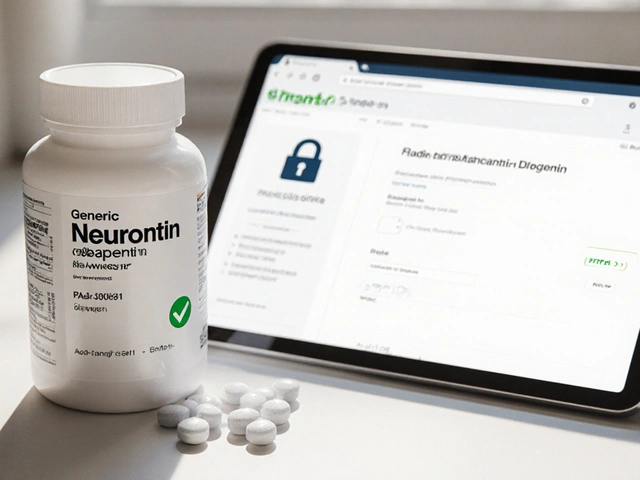
Learn how to buy cheap generic Neurontin online safely, compare prices, spot scams, and manage your prescription with expert tips.

Lower GI bleeding is often caused by diverticula or angiodysplasia, especially in older adults. Learn how doctors diagnose and treat these common but different conditions, and why early intervention matters.
Step therapy forces patients to try cheaper generics before insurers cover prescribed medications. Learn how it works, when it’s dangerous, and how to get exceptions when your health is at risk.
Generic substitution in workers' compensation saves billions by replacing brand-name drugs with equally effective generics. Learn how it works, when it’s required, and what injured workers should know.