
If you’ve ever wondered why doctors are now on your phone, you’re not alone. Telehealth services let you see a clinician through video, chat, or even a quick call. No need to drive, wait in a lobby, or take time off work – you get care from wherever you have internet.
These services cover everything from routine check‑ups and prescription refills to mental health counseling and urgent advice. The idea is simple: use technology to bring the clinic to your couch.
The first step is picking a platform that matches your needs. Big pharmacy chains, insurance companies, and dedicated telehealth startups all offer apps or web portals. Look for one that is HIPAA‑compliant (that means they protect your health data) and accepts your insurance if you have it.
Once you’re signed up, schedule an appointment just like you would in person. You’ll receive a confirmation with a link to join the video call. On the day of the visit, make sure your device – phone, tablet, or computer – has a working camera and microphone. A stable Wi‑Fi connection (at least 5 Mbps) helps avoid lag.
During the session, the clinician will ask about symptoms, review any meds you’re taking, and may request you to show affected areas on camera. For prescriptions, most platforms can send the drug directly to your pharmacy or mail it to you. Follow‑up appointments are usually just a click away.
1. Prep your space. Find a quiet room with good lighting and minimal background noise. This makes it easier for the doctor to see you and hear you clearly.
2. Have your info ready. Keep a list of current medications, allergies, and recent test results handy. Some platforms let you upload documents before the call.
3. Test tech early. Open the app 5‑10 minutes ahead of time to check camera, mic, and internet speed. If something glitches, you can quickly switch to a phone call instead.
4. Ask about costs. Many services charge per visit, while others are covered by insurance. Confirm the price before the appointment so there’s no surprise later.
5. Know what’s not covered. Telehealth is great for many issues, but serious emergencies still need an ER or in‑person doctor. If you have severe chest pain, trouble breathing, or heavy bleeding, call 911 instead of logging on.
6. Follow post‑visit instructions. The clinician may send a summary, lab orders, or a prescription. Follow these steps promptly to get the best outcome.
Telehealth services keep evolving. New tools like remote monitoring devices (blood pressure cuffs, glucose meters) can feed data straight into your virtual visit. As more insurers and employers add telehealth benefits, you’ll likely see lower out‑of‑pocket costs.
Bottom line: Telehealth is a convenient, safe way to get medical help without leaving home. Pick a reputable platform, set up your tech, and treat the virtual appointment like any other doctor visit – prepared, honest, and focused on your health.
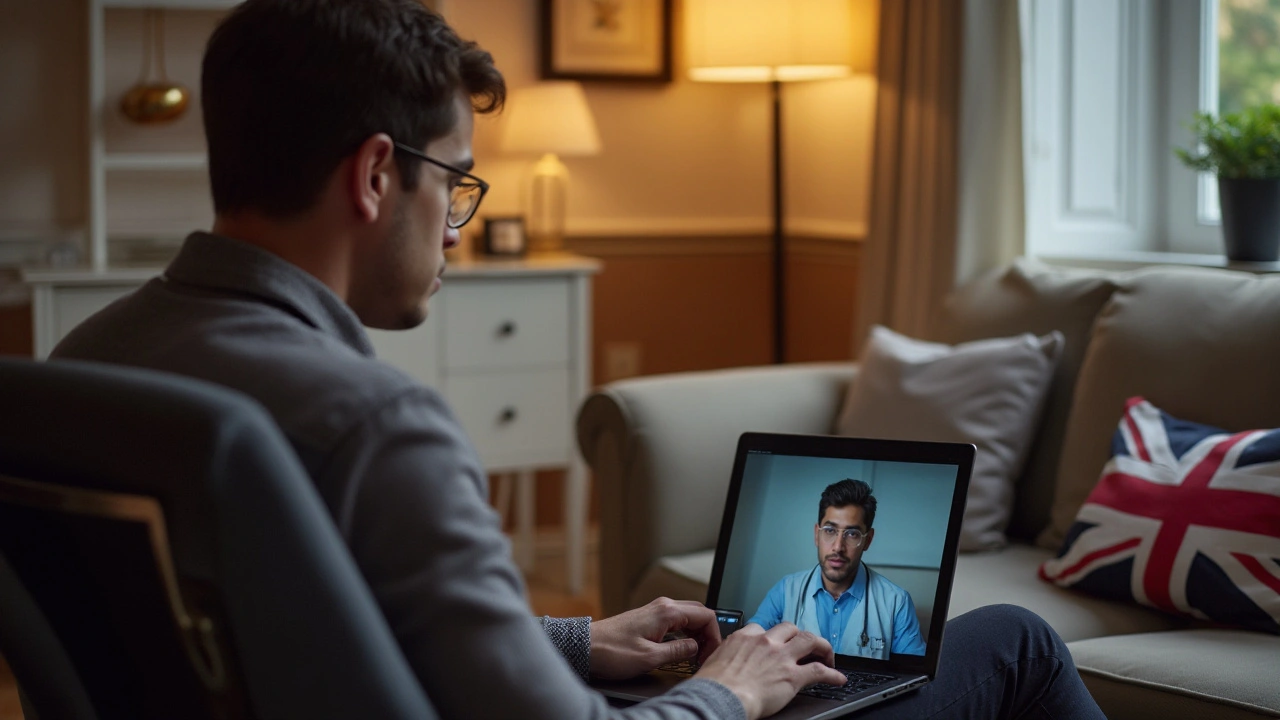
Discover eight alternatives to rexmd.com for men's health solutions in 2024. This article explores a variety of telehealth services offering treatments for erectile dysfunction, hair loss, and other wellness issues. Each alternative provides unique features such as virtual consultations, discreet delivery, and comprehensive health services. Whether you seek the convenience of telehealth or prefer in-person consultations, explore the options that best suit your needs.

Pediatric safety networks bring together hospitals and communities to track side effects in children more effectively than ever before. These collaborative systems catch rare reactions, improve treatments, and prevent harm before it spreads.

Benzodiazepines pose serious risks for seniors including falls, memory loss, and dementia. Safer alternatives like CBT-I, SSRIs, and ramelteon offer effective, long-term relief without the dangers. Learn why experts now recommend avoiding these drugs and how to transition safely.

Learn how to manage nausea, vomiting, and other GI side effects from GLP-1 drugs like Ozempic and Wegovy with proven meal planning and dose titration strategies that help you stay on track and avoid quitting.
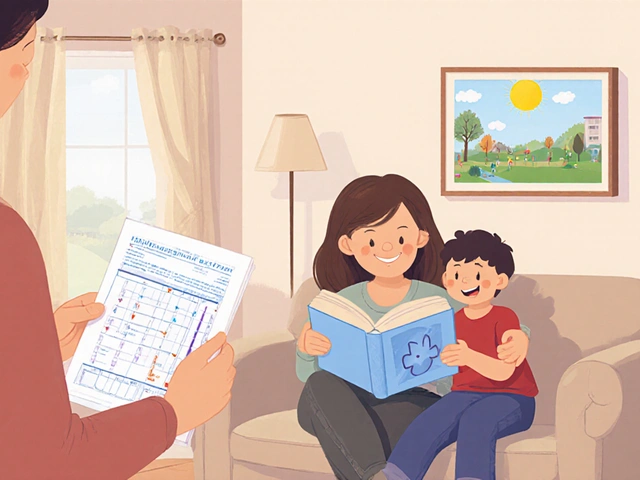
A practical guide for families coping with neuroblastoma, offering clear strategies to support siblings emotionally, maintain routine, and access professional resources.

Hey folks! It's a roller coaster of a day when we're talking about leprosy elimination, isn't it? You might think it's all doctors and medicine, but surprise, surprise - it's also about us! Yep, our involvement in these efforts is like the secret sauce on a killer burger. Community efforts can aid in early detection, help reduce stigma, and even support those affected in their journey to recovery. So, let's roll up our sleeves and join the fight against leprosy, because together, we're more than just a force, we're a downright stampede!