
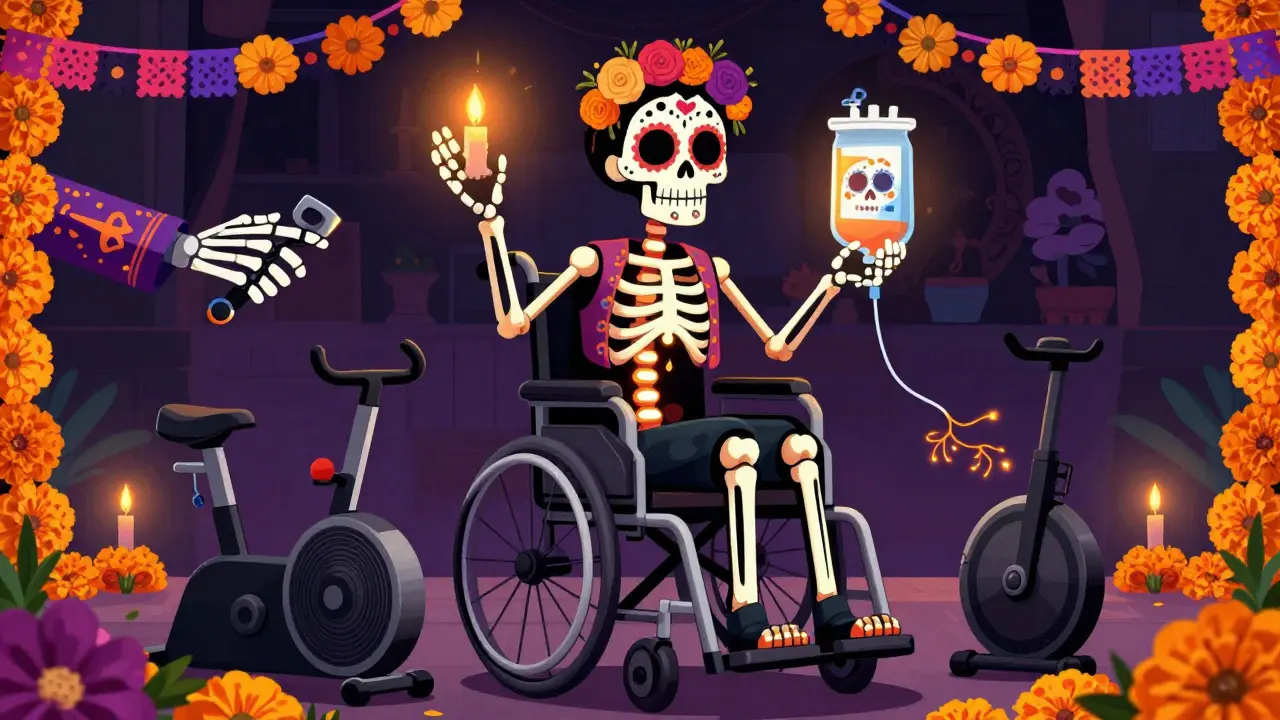
Spinal cord injury causes loss of movement and sensation below the injury site. Effective rehab begins immediately, using therapy, assistive devices, and technology to restore function and independence. Learn how exoskeletons, FES bikes, and brain-computer interfaces are changing recovery.

In my recent dive into medical research, I stumbled upon a controversial topic: the potential link between Amlodipine, a common high blood pressure medication, and cancer. Several studies have surfaced suggesting a possible association, but the evidence is inconsistent and not yet fully understood. It's essential to remember that correlation does not imply causation, so while this topic definitely warrants further research, there's no need for panic. If you're currently taking Amlodipine, don't stop or change your medication without first discussing it with your doctor. Stay tuned as I continue to monitor this ongoing discussion.
Lower GI bleeding is often caused by diverticula or angiodysplasia, especially in older adults. Learn how doctors diagnose and treat these common but different conditions, and why early intervention matters.

Authorized generics are identical to brand-name drugs but cost less because they skip marketing costs and trigger immediate price competition. Learn how they work, why they’re cheaper, and how to get them.
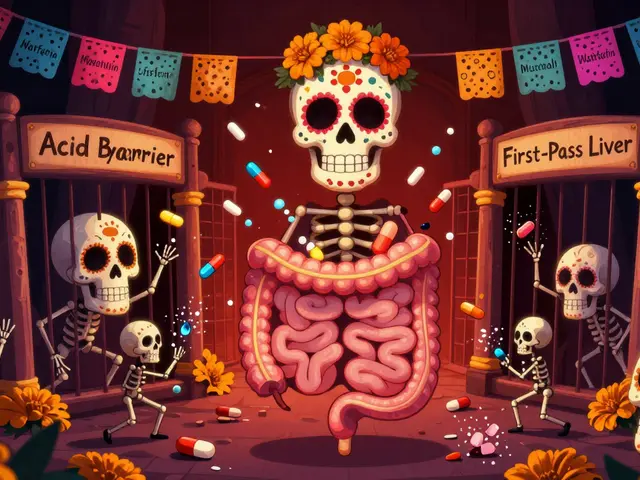
Many gastrointestinal medications fail to work because of how the gut absorbs (or blocks) drugs. Learn why food, disease, and formulation affect effectiveness-and what you can do about it.
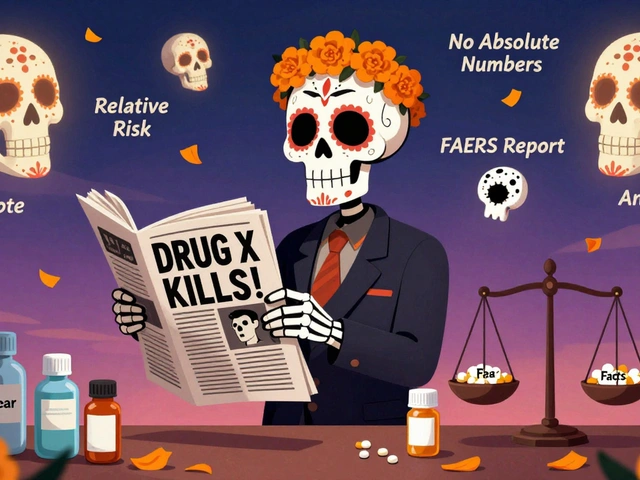
Learn how to spot misleading media reports about drug safety by checking study methods, understanding risk numbers, and verifying sources. Don't let sensational headlines scare you into stopping your medication.