
When your kidneys can’t remove enough potassium, levels build up in your blood—a condition called hyperkalemia, a dangerous rise in blood potassium that can disrupt heart rhythm and lead to cardiac arrest. This often happens in people with chronic kidney disease, a long-term condition where kidneys lose their ability to filter waste and balance electrolytes like potassium. That’s where potassium binders, medications that trap excess potassium in the gut so it leaves the body through stool instead of staying in the bloodstream come in. They don’t fix kidney function, but they give your body a way to get rid of potassium when your kidneys can’t.
Potassium binders are often used alongside other treatments for heart failure, diabetes, or high blood pressure—conditions that also raise potassium risk. Some drugs like ACE inhibitors or spironolactone help protect your heart and kidneys but can cause potassium to climb. That’s why your doctor might add a binder instead of stopping the heart-protective medicine. Common types include sodium polystyrene sulfonate (Kayexalate), patiromer (Veltassa), and sodium zirconium cyclosilicate (Lokelma). Each works differently: some act fast but have more side effects like constipation or stomach upset, while newer ones are gentler but cost more. Not all binders work the same way for everyone—some need to be taken with food, others can’t be mixed with certain drinks, and some require careful timing with other pills to avoid interactions.
These aren’t sugar pills. Taking them wrong can make your potassium levels swing dangerously low or cause serious gut problems. That’s why they’re not sold over the counter and need a doctor’s oversight. People on dialysis, those with advanced kidney disease, or those on multiple heart medications are most likely to need them. But even if you’re not on dialysis, if your blood tests show high potassium more than once, your doctor might suggest a binder to keep you out of the ER. The goal isn’t to eliminate potassium entirely—you need it for nerves and muscles—but to keep it in a safe range. Below, you’ll find real patient stories, drug comparisons, and practical advice on how to take these meds safely, avoid side effects, and understand why they’re not just another pill in your routine—they’re a lifeline for your heart.

High potassium from common heart and kidney meds can trigger life-threatening heart rhythms. Learn how medications cause hyperkalemia, the silent warning signs, and how new treatments let you stay on life-saving drugs safely.

Night shifts increase medication errors by over 12% due to fatigue. Learn which medications worsen drowsiness, why naps aren't enough, and what real system changes can prevent deadly mistakes.

Safe, legal ways to buy Protonix online in 2025. Verify pharmacies, compare prices, use coupons, and avoid scams. Clear steps, risks, and smart alternatives.
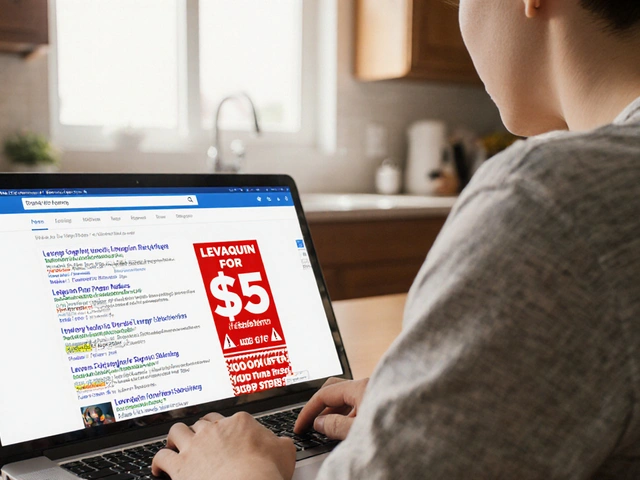
Learn how to safely buy cheap generic Levofloxacin (Levaquin) online, verify licensed pharmacies, compare prices, and avoid counterfeit risks.

Digital tools can help you avoid dangerous interactions between generic drugs, but not all apps are equal. Learn which ones actually work, what they miss, and how to stay safe when buying meds online.

In my recent post, I discussed the relationship between Pyridostigmine Bromide and exercise for those living with Myasthenia Gravis. I explored how this medication can improve muscle strength, making physical activity more manageable for patients. However, I also highlighted the importance of balancing exercise with rest periods and working closely with healthcare providers to establish a suitable routine. Furthermore, it's crucial to listen to your body and not push too hard, as overexertion can lead to symptom flare-ups. Overall, while Pyridostigmine Bromide can aid in physical activity, careful management is key.