
Ever felt a chest that won’t quit hurting or a fever that just won’t go down? That could be pneumonia, an infection that settles deep inside your lungs. It’s not as rare as you think, but catching it early makes the difference between a quick recovery and weeks of trouble.
The first clues are usually a cough that brings up phlegm, shortness of breath, and a fever that spikes above 101°F (38.3°C). Some people also get chills, chest pain that worsens when they breathe, or feel unusually tired. If you notice any mix of these signs, especially after a cold or flu, it’s worth getting checked.
Kids and older adults might not show all the classic symptoms. Babies could just seem cranky, while seniors may only have confusion or a mild cough. Trust your gut – if something feels off, call your doctor.
The treatment plan depends on what’s causing the infection. Bacterial pneumonia usually needs antibiotics, and doctors often start you on a broad‑spectrum one until lab tests tell them which bug is responsible. Viral pneumonia, like that caused by flu, won’t respond to antibiotics but may need antivirals if caught early.
Most people recover at home with plenty of rest, fluids, and over‑the‑counter pain relievers for fever and chest discomfort. However, if you’re having trouble breathing, your oxygen level is low, or you have other health conditions (like asthma or heart disease), a hospital stay might be necessary for IV antibiotics and monitoring.
Never skip the full course of medication even if you feel better after a few days. Stopping early can let the infection linger and increase resistance.
The best defense is staying healthy in the first place. Get vaccinated against flu each year and consider the pneumonia vaccine (PCV13 or PPSV23) if you’re over 65 or have chronic illnesses. Hand‑washing, avoiding close contact with sick people, and quitting smoking also cut your risk dramatically.
Keeping your immune system strong helps too. Eat a balanced diet rich in fruits and veggies, stay active, and manage stress. If you catch a cold, treat it promptly – sometimes a simple cough syrup or rest can stop the germs from moving deeper into your lungs.
If you’re caring for someone with pneumonia, wash your hands often, wear a mask if needed, and clean surfaces regularly to keep the infection from spreading.
Don’t wait for symptoms to get worse. Call a healthcare professional right away if you have high fever, chest pain that’s sharp or worsening, trouble breathing, bluish lips or fingertips, or if you’re confused. Those signs could mean the infection is getting serious and needs urgent care.
For kids under two years old, any fever over 100.4°F (38°C) with a cough should be evaluated promptly – babies can deteriorate fast.
Bottom line: pneumonia is common but manageable when you act quickly. Know the signs, follow treatment instructions, and keep your lungs protected with vaccines and healthy habits. Your lungs will thank you.
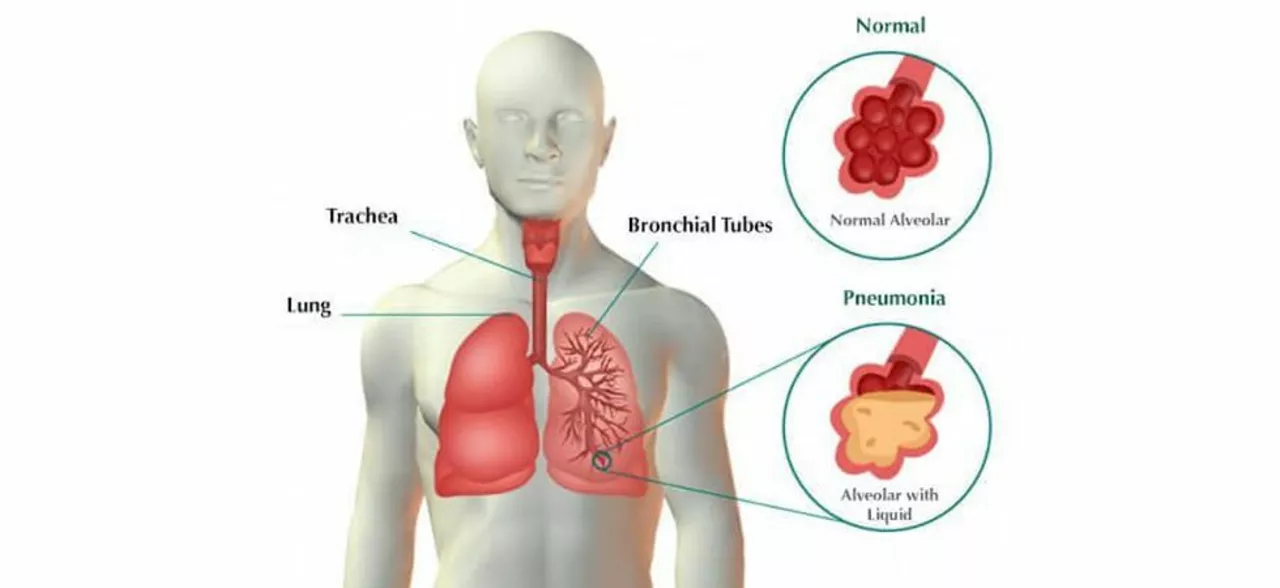
As a blogger, I want to share some important information about pneumonia and diabetes. Pneumonia is a serious infection that affects the lungs, and people with diabetes have a higher risk of developing it due to their weakened immune systems. It's crucial for diabetics to be aware of the symptoms, such as coughing, fever, and difficulty breathing, and seek medical attention promptly if they suspect pneumonia. Moreover, maintaining good blood sugar control and getting vaccinated for pneumonia can help prevent this dangerous infection. So, let's stay informed and take the necessary precautions to safeguard our health.

Learn the hidden risks of NSAID overdose, from silent GI bleeding to the dangers of mixing aspirin with pain relievers, and how to recognize early warning signs.

This article delves deep into the world of Inderal (Propranolol), a prominent medication used to treat a variety of conditions, including high blood pressure, heart rhythm disorders, and anxiety. We explore the drug's medical significance, common dosages, potential side effects, and interactions with other medications. Discover useful tips on how to find the best deals for Inderal, ensuring you can manage your health effectively without breaking the bank.

Albendazole resistance is rising in many parts of the world due to overuse and underdosing. Learn why it happens, how it spreads, and what combinations and practices actually work when the drug fails.

In my latest blog post, I've discovered the amazing benefits of Bromelain, a secret weapon in our dietary supplement arsenal. This powerful enzyme, found in pineapple stems, has incredible anti-inflammatory and digestive properties. It's been proven to aid in protein digestion, reduce swelling, and even help with sinus-related issues. I personally love adding Bromelain supplements to my daily routine, and I've noticed a significant improvement in my overall well-being. Don't miss out on this hidden gem - give Bromelain a try and feel the benefits for yourself!
Step therapy forces patients to try cheaper generics before insurers cover prescribed medications. Learn how it works, when it’s dangerous, and how to get exceptions when your health is at risk.