
When you move from one care setting to another—like leaving the hospital, switching doctors, or starting a new medication—you're going through a patient transition, the process of moving between healthcare providers, settings, or treatment plans while maintaining safety and continuity of care. Also known as care transition, it’s not just a form you sign. It’s the moment when mistakes happen: a drug gets dropped, a follow-up gets missed, or you’re left wondering what to do next. This isn’t rare. Studies show nearly one in five Medicare patients ends up back in the hospital within 30 days after discharge, often because something slipped through the cracks during transition.
Good medication management, the careful tracking and adjustment of all drugs a patient takes across different care settings is the backbone of a smooth transition. Think about it: if you’re on five pills at the hospital and come home with three, who made sure the other two weren’t needed? Or worse—what if a new drug was added without telling your primary doctor? That’s where care coordination, the organized effort to connect providers, patients, and information across the healthcare system breaks down. It’s not about who’s in charge—it’s about who’s paying attention. Your pharmacist, your nurse, even your family can help fill those gaps if they know what to look for.
And then there’s discharge planning, the process of preparing a patient to leave a hospital or clinic with clear instructions, support, and follow-up. Too often, it’s a rushed checklist: "Here’s your prescription, see your doctor in two weeks." But what if you can’t afford the drug? What if you don’t have transportation? What if your new meds interact with your old ones? The posts below don’t just talk about these problems—they show you how real people fixed them. You’ll find guides on using pharmacy consultations to catch dangerous interactions, how to compare generics so you don’t get hit with surprise costs, and why knowing your drug’s inactive ingredients can prevent a reaction you didn’t see coming. There’s advice on managing insulin pumps safely after a hospital stay, how to handle mental health meds when switching providers, and what to ask when your doctor changes your diabetes drugs. This isn’t theory. These are the tools people actually used to stay out of the ER and keep their health on track.
Whether you’re switching from hospital to home, from specialist to primary care, or from brand to generic, the goal is the same: no gaps, no surprises, no unnecessary risk. The next few posts give you the exact steps to make that happen—without jargon, without fluff, just what works.

Learn how switching to an authorized generic can improve medication safety and reduce side effects compared to regular generics - and how to make sure you get the right version at the right price.

Learn how to safely buy cheap generic Celebrex online in 2025. Get price comparisons, verification tips for reputable Canadian pharmacies, ordering steps, and FAQs.

Whistleblower protections shield manufacturing workers who report safety defects, from toys to medical devices. Learn which laws apply, deadlines to meet, and how to avoid retaliation.

State laws on generic drug substitution vary widely across the U.S., affecting cost, safety, and pharmacist workload. Learn how mandatory vs. permissive rules, patient consent, biologic restrictions, and liability protections differ by state-and what it means for you.
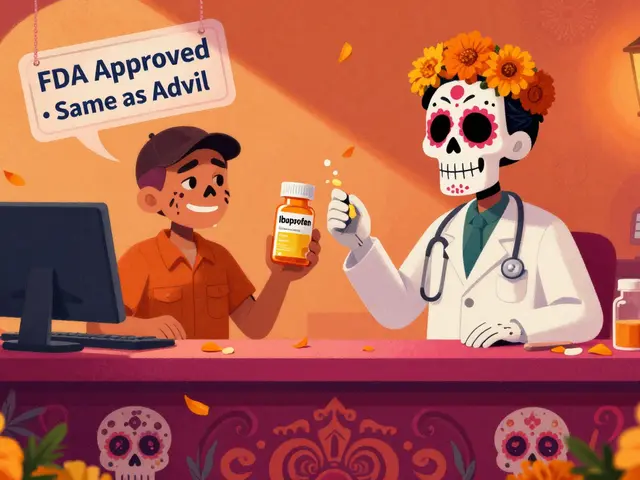
Generic substitution in workers' compensation saves billions by replacing brand-name drugs with equally effective generics. Learn how it works, when it’s required, and what injured workers should know.

A clear, side‑by‑side comparison of Prometrium and its main alternatives, covering forms, dosing, costs, and how to choose the best progesterone option for your health needs.