
When someone has Parkinson's disease, a progressive nervous system disorder that impairs movement by reducing dopamine in the brain. Also known as shaking palsy, it causes tremors, stiffness, and slow motion that get worse over time. It’s not just about shaking hands—it’s about struggling to get out of a chair, walking with tiny steps, or losing the ability to smile naturally. The brain’s dopamine-producing cells are dying, and without enough dopamine, the body’s signals for smooth movement break down.
That’s where treatments like Requip (ropinirole), a dopamine agonist that tricks the brain into thinking it’s getting more dopamine come in. It doesn’t fix the damage, but it helps restore balance. Other options like levodopa, pramipexole, and MAO-B inhibitors work differently but aim for the same goal: keeping movement as fluid as possible. You’ll find comparisons in the posts below—how Requip stacks up against alternatives, what side effects to watch for, and which ones work best for different stages of the disease.
It’s not just about pills. People with Parkinson’s also deal with sleep problems, mood changes, and trouble swallowing. Some use physical therapy to stay mobile, others adjust their diet to help meds absorb better. And while there’s no cure yet, managing symptoms well can mean years of better quality life. The posts here cover real-world advice: how to choose between meds, what to expect when starting a new drug, and how to spot dangerous interactions. You’ll also see how people handle the daily grind—like dealing with freezing episodes or finding the right support group.
One thing that keeps coming up in the articles: there’s no one-size-fits-all plan. What works for a 58-year-old who just got diagnosed might not help someone who’s had it for ten years. That’s why having a clear view of your options matters. Whether you’re newly diagnosed, helping a loved one, or just trying to understand the science behind the meds, this collection gives you the facts without the fluff. Below, you’ll find real comparisons, practical tips, and straight talk about what actually works.

Explore how carbidopa‑levodopa‑entacapone (Stalevo) improves daily "on" time and quality of life for Parkinson's patients, with evidence, dosing tips, and FAQs.

A practical guide for organ transplant recipients covering common immunosuppressants, drug interactions, side effects, monitoring tips, and emerging therapies.

Anxiety disorders affect nearly 1 in 5 adults and include types like GAD, panic disorder, and social anxiety. Evidence-based treatments like CBT and SSRIs are highly effective, with new options like digital apps and zuranolone emerging in 2023.
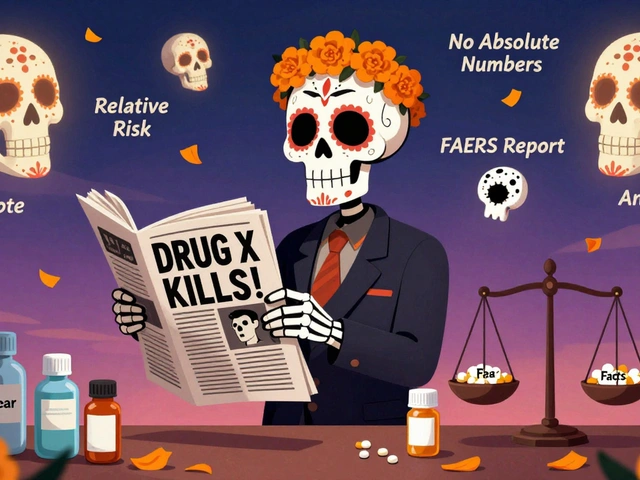
Learn how to spot misleading media reports about drug safety by checking study methods, understanding risk numbers, and verifying sources. Don't let sensational headlines scare you into stopping your medication.

Seizure medications can affect fetal development and interact with birth control. Learn which drugs carry the highest birth defect risks, which are safest during pregnancy, and how drug interactions can impact both seizure control and contraception effectiveness.

Partial onset seizures don't just affect the body-they deeply impact mental health, often leading to depression and anxiety. Learn how brain changes, medication side effects, and social stigma shape emotional well-being-and what actually helps.