
When someone has Parkinson's disease medication, a group of drugs designed to replace or mimic dopamine in the brain to reduce movement symptoms. Also known as dopamine replacement therapy, it’s not a cure—but for millions, it’s the difference between being stuck in bed and getting dressed on their own. Parkinson’s slowly steals control of movement, and these drugs don’t just ease symptoms—they help people keep working, walking, and talking with loved ones.
The most common and effective treatment is carbidopa-levodopa, a combination drug that delivers dopamine precursors to the brain while blocking unwanted side effects. Also called Sinemet, it’s been the gold standard for over 50 years. But it doesn’t last forever. Over time, its effects wear off faster, leading to unpredictable "on" and "off" periods. That’s where newer combinations like Stalevo, a single pill that adds entacapone to carbidopa-levodopa to extend its action. Also known as carbidopa-levodopa-entacapone, it helps patients stay in the "on" state longer without extra doses. Other drugs like dopamine agonists, MAO-B inhibitors, and anticholinergics play supporting roles—sometimes used early, sometimes added later when levodopa alone isn’t enough.
It’s not just about picking the right pill. Timing matters. Taking levodopa with protein-rich meals can block absorption. Skipping doses or changing schedules without a doctor’s advice can trigger sudden stiffness or freezing. And while side effects like nausea, dizziness, or impulse control issues happen, they’re often manageable with small tweaks—like taking the pill on an empty stomach or adjusting the dose gradually.
What you won’t find in most guides is how these medications actually feel in real life. One person might get 8 hours of smooth movement. Another might have 20 minutes of good time before their legs lock up. That’s why treatment isn’t one-size-fits-all. It’s a daily balancing act, shaped by age, symptoms, lifestyle, and how the body responds over time. The posts below show real examples of how people manage this—whether it’s through combination therapy, lifestyle adjustments, or learning to recognize the early signs of a coming "off" period. You’ll see what works for others, what doesn’t, and how to talk to your doctor about making it better.

A clear, side‑by‑side comparison of Requip (ropinirole) with other Parkinson's meds, covering efficacy, dosing, side‑effects, and how to choose the right option.
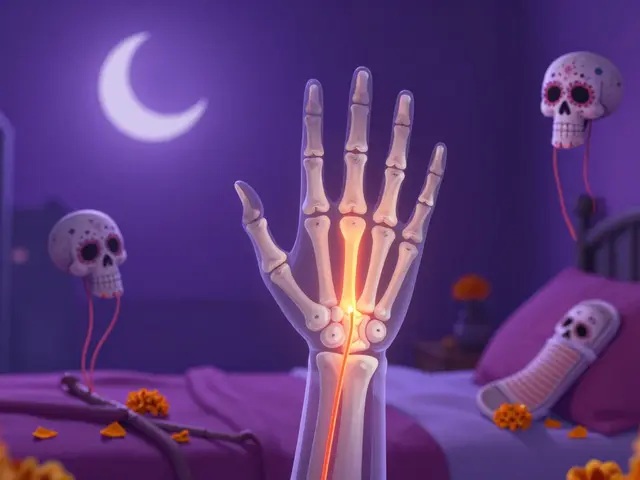
Carpal tunnel syndrome is a common nerve compression disorder causing numbness and weakness in the hand. Early treatment with splints, exercises, or injections can prevent permanent damage-and surgery is highly effective when needed.

Expert guide on monitoring QT prolongation risks when using fluoroquinolones and macrolides. Learn about risk hierarchies, the Fridericia Formula, and ECG protocols.

Imagery Rehearsal Therapy (IRT) is the most effective non-drug treatment for PTSD-related nightmares. Learn how rewriting your nightmares before sleep can break the cycle of trauma, improve sleep, and reduce PTSD symptoms-backed by clinical research.

As a blogger, I've recently come across the topic of the role of Clozapine in the management of psychotic depression. Clozapine, an atypical antipsychotic medication, is used to treat severe cases of this mental health disorder when other treatments have failed. Its unique properties help in alleviating both psychotic symptoms and depressive episodes. However, it's essential to be aware of the potential side effects and monitor blood levels closely while administering this medication. In conclusion, Clozapine plays a crucial role in managing psychotic depression, improving the quality of life for those who suffer from this challenging condition.
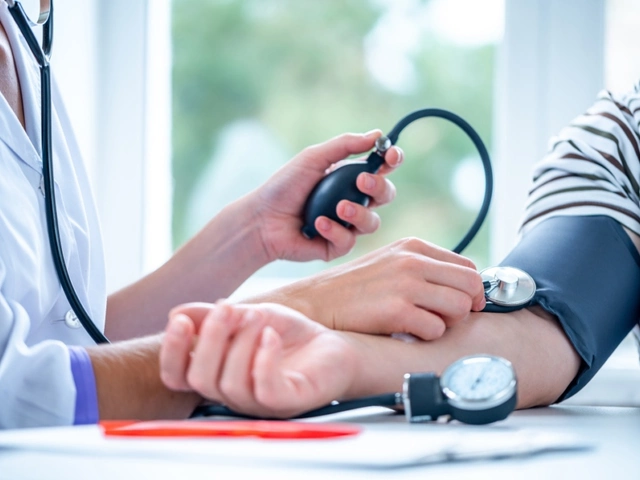
Hey there, folks! So, let's tackle the heavyweight topic of how indomethacin, a medication often used for severe arthritis, interacts with our blood pressure. Picture this: indomethacin, the main character in our story, can sometimes be a bit of a naughty rascal, nudging up our blood pressure readings. It's like it's playing a bit of a roller-coaster game with our heart rates! That's why, if you're a regular user, it's important to keep an eagle eye on your blood pressure, because we all know, surprises are good only at birthdays, not with health! So, remember, with indomethacin, it's always better to be a bit of a control freak, monitoring your blood pressure more often than you check your phone!