
When you pick up an OTC drug, a medication sold without a prescription, often used for minor symptoms like headaches, allergies, or colds. Also known as non-prescription medicine, it's easy to assume these are safe because you can buy them on a shelf. But that’s exactly why they’re dangerous—people treat them like candy, not medicine. Every year, more than 100,000 emergency room visits in the U.S. are tied to OTC drug misuse. Not from overdoses on pills you shouldn’t take—but from stacking them with other meds, using them too long, or not realizing what’s inside.
One of the biggest risks comes from drug interactions, when two or more medications affect each other’s behavior in your body. A common painkiller like acetaminophen might seem harmless, but take it with alcohol or certain antibiotics, and you risk liver failure. Or consider antihistamines in allergy meds—they can make you drowsy, but if you’re also on a depression pill or blood pressure med, that drowsiness can turn into confusion, falls, or even heart rhythm problems. These aren’t rare cases. Studies show nearly half of adults take at least one OTC drug daily, and most don’t tell their doctor about it.
Then there’s the hidden stuff: inactive ingredients, the fillers, dyes, and preservatives in pills and liquids that don’t treat your symptom but can trigger reactions. A person with a corn allergy might react to the starch in a generic pain reliever. Someone with lactose intolerance could get bloated or worse from a tablet that uses milk sugar as a binder. These aren’t listed on the front label. You have to dig into the fine print—or ask your pharmacist. And here’s the twist: generic versions of the same drug can have different inactive ingredients than the brand name, meaning what worked fine last month might now make you sick.
OTC drugs aren’t just about what’s in them—they’re about how you use them. Using a kitchen spoon to measure children’s liquid medicine? That’s not a typo—it’s a common mistake with deadly results. Taking two different cold meds because one didn’t work fast enough? That’s how you accidentally double your dose of acetaminophen. And if you’re managing a chronic condition like diabetes or high blood pressure, an OTC decongestant can spike your numbers enough to send you to the hospital.
What you’ll find below isn’t a list of scary stories. It’s a practical guide to the real, documented risks behind everyday pills. From how switching generic brands can change your drug levels to why your nighttime sleep aid might be raising your potassium to dangerous levels, these posts cut through the noise. You’ll learn what to check before buying, what questions to ask your pharmacist, and how to spot when an OTC drug is doing more harm than good. No fluff. No marketing. Just what you need to stay safe.
Debunking common medication safety myths with facts backed by CDC, FDA, and pharmacy data to help patients avoid dangerous errors and take their meds safely.
A detailed side‑by‑side comparison of Zenegra (sildenafil) with Viagra, Cialis, Levitra, Stendra and generic options, covering onset, duration, cost, safety and best‑use scenarios.

Learn how to safely buy cheap generic lisinopril online in 2025. Get price comparisons, trusted pharmacy tips, ordering steps, and FAQs to keep your heart health affordable.
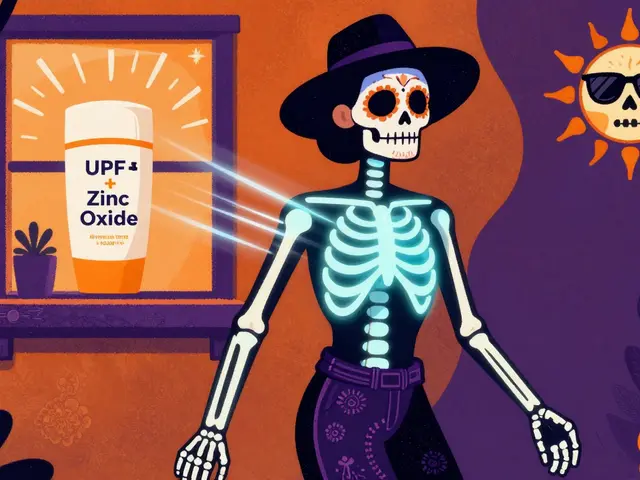
Doxycycline and TMP-SMX (Bactrim) can make your skin dangerously sensitive to sunlight, causing severe sunburns and long-term damage. Learn how to protect yourself with sunscreen, clothing, and smart habits.

As a blogger who often experiences acute back pain, I was curious to find out if Methocarbamol could be an effective solution. After doing some research, I found that Methocarbamol is a muscle relaxant that can help relieve muscle spasms and pain from various musculoskeletal conditions. Some studies suggest that it may be effective in reducing acute back pain when used in combination with other pain relievers. However, the results are not entirely conclusive, and it's essential to consult with a healthcare professional before starting any new medication. Overall, Methocarbamol may be a helpful option for some individuals with acute back pain, but further research is needed to determine its true effectiveness.
Learn how to use your pharmacy's consultation service to prevent dangerous drug interactions, save money, and improve medication adherence. A proven safety tool most patients don't know about.