
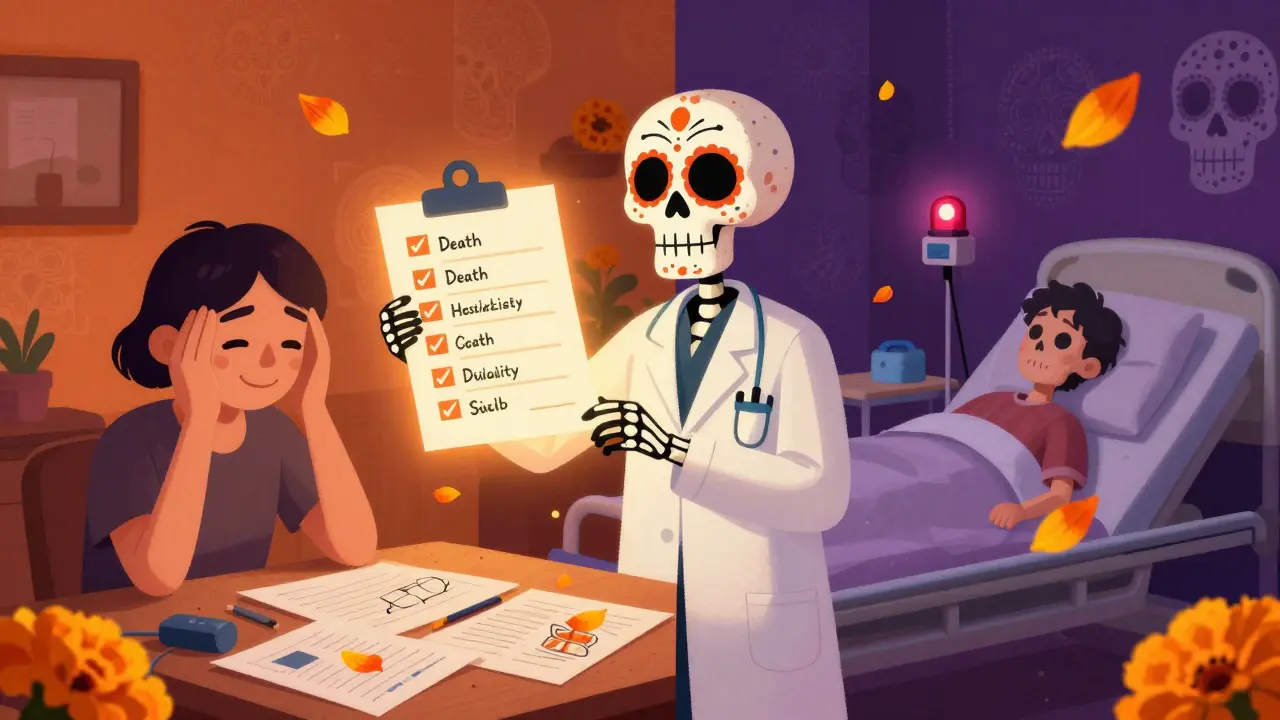
Learn the critical difference between serious and non-serious adverse events in clinical trials-and when each must be reported. Understand the six FDA criteria, avoid common mistakes, and ensure patient safety without overwhelming the system.

Solian (amisulpride) is an antipsychotic with unique benefits for negative schizophrenia symptoms and low weight gain risk. Compare its side effects, effectiveness, and cost to risperidone, olanzapine, aripiprazole, and other alternatives.

A clear, side‑by‑side comparison of Prometrium and its main alternatives, covering forms, dosing, costs, and how to choose the best progesterone option for your health needs.

Otosclerosis is a common cause of hearing loss in adults under 50, caused by abnormal bone growth around the stapes. It leads to progressive conductive hearing loss, especially in low tones, but can be effectively treated with hearing aids or surgery.

Many patients skip or forget medications due to complex schedules, high costs, poor communication, and forgetfulness-not laziness. Learn the real reasons behind nonadherence and what actually works to fix it.

As I've been researching the connection between Idiopathic Pulmonary Fibrosis (IPF) and aging, I've discovered that IPF is a progressive lung disease that primarily affects older adults. It seems that the aging process may contribute to the development of IPF due to the accumulation of cellular damage over time. Additionally, age-related changes in the immune system and cell-regrowth processes could also play a role in the onset of this disease. Sadly, there is no known cure for IPF, but understanding the link to aging may help researchers develop better treatments in the future. It's important for all of us to be aware of this connection and take care of our lungs as we age.