
When we talk about NAFLD, nonalcoholic fatty liver disease, a condition where fat builds up in the liver without heavy alcohol use. Also known as fatty liver, it affects nearly one in three adults in the U.S.—and most don’t even know they have it. Unlike alcohol-related liver damage, NAFLD creeps in quietly, often tied to weight gain, high blood sugar, and insulin resistance. It’s not just a liver issue—it’s a sign your body’s metabolism is out of balance.
NAFLD isn’t one thing. It starts as simple fat buildup—nonalcoholic fatty liver, the earliest stage, often harmless if caught early—but can turn into NASH, nonalcoholic steatohepatitis, where inflammation and liver cell damage begin. Left unchecked, NASH can lead to scarring, cirrhosis, or even liver cancer. The real danger? It often has no symptoms until it’s advanced. Blood tests might show high liver enzymes, but many people only find out after a routine ultrasound or when they’re tested for metabolic syndrome, a cluster of conditions including high blood pressure, belly fat, high triglycerides, and insulin resistance.
Here’s what actually moves the needle: losing 5-10% of your body weight can cut liver fat in half. Cutting back on sugar, especially fructose in sodas and processed snacks, helps more than any supplement. Exercise—even walking 30 minutes a day—lowers liver fat and improves insulin sensitivity. Medications aren’t the first line of defense yet, but drugs targeting insulin resistance and inflammation are being studied. The good news? NAFLD is one of the few liver diseases you can reverse, especially if you act before scarring sets in.
What you’ll find below are real, practical posts about how NAFLD connects to diabetes meds, why generics matter for long-term management, how to spot misleading health claims about liver supplements, and what lifestyle changes actually work. No fluff. No hype. Just what you need to understand your liver—and protect it.
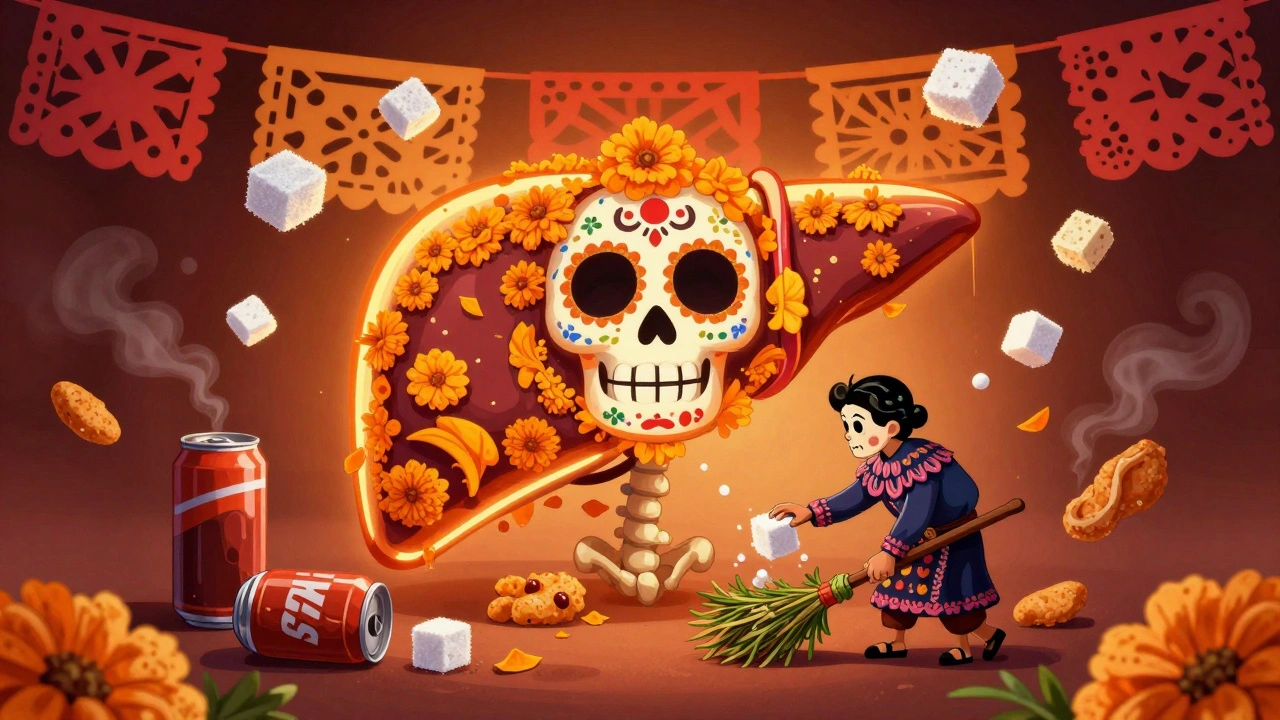
MAFLD is the most common liver disease worldwide-but it’s reversible. Learn how diet, exercise, and weight loss can heal your liver, what treatments actually work, and why most people don’t know they have it.

Cuba's healthcare system is amidst a critical shortage of essential medicines, pushing citizens towards the black market. This crisis highlights the struggle of families like Lili's, the irony of empty pharmacies yet abundant private vendors, and the government's efforts to address the complex issue.
Safe, legal ways to buy Protonix online in 2025. Verify pharmacies, compare prices, use coupons, and avoid scams. Clear steps, risks, and smart alternatives.

Discover why jewelweed supplement is praised for glowing skin and a fortified immune system, backed by science, dosage tips, and a side‑by‑side herb comparison.
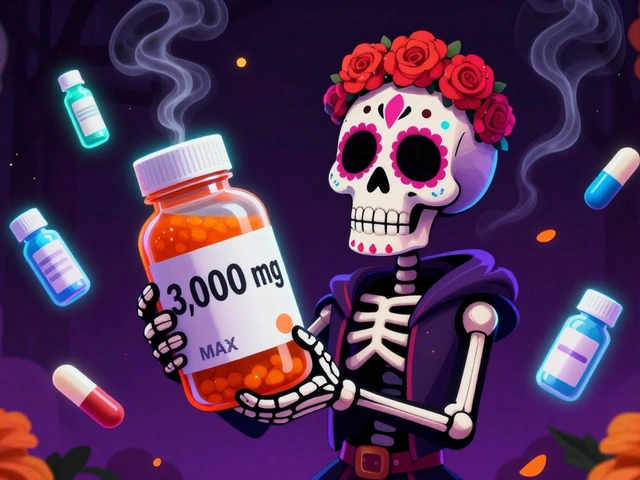
Debunking common medication safety myths with facts backed by CDC, FDA, and pharmacy data to help patients avoid dangerous errors and take their meds safely.
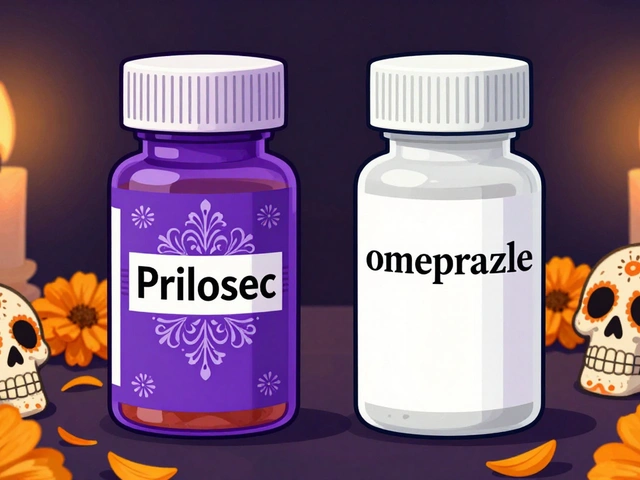
Generic drugs save billions and work just as well as brand-name versions. Learn what the FDA requires for therapeutic equivalence, why labels look different, and when to watch for subtle changes.