
Ever wondered why some people swear by a home remedy while doctors say otherwise? Or why you hear horror stories about buying pills on the internet? You’re not alone. Below we pull apart a few of the most common drug myths so you can decide what actually matters for your health.
The word "natural" tricks a lot of us into thinking something can’t hurt. In reality, many plant‑based extracts interact with prescription meds just like any synthetic drug. For example, St. John’s Wort can lower the effectiveness of birth control or antidepressants. The same goes for high‑dose vitamin K if you’re on blood thinners.
What to do? Treat every supplement like a medication: read the label, check for interactions, and ask your pharmacist before adding it to your routine. A short chat can save you from unwanted side effects or a wasted purchase.
Scams do exist, but not every online pharmacy is a trap. The real danger comes when you skip verification steps. Look for sites that require a valid prescription, display a licensed pharmacist’s contact info, and have clear privacy policies.
If the price looks unbelievably low or the site asks for payment via weird methods, walk away. A quick Google search of the pharmacy’s name plus "review" often reveals red flags before you spend a dime.
Myth: All antibiotics are the same. Different infections need different drugs. Taking the wrong antibiotic won’t speed recovery and can breed resistance.
Myth: Side effects mean a drug is dangerous. Most side effects are mild and temporary. If something feels severe, talk to your doctor instead of stopping on your own.
Myth: Over‑the‑counter painkillers can be taken whenever you want. Even OTC meds have dosage limits and interactions. Use the lowest effective dose for the shortest time possible.
The bottom line? Don’t let a catchy headline or a friend’s story dictate your health choices. Check reliable sources, ask professionals, and trust evidence over hype. When you know what’s fact and what’s fiction, you’ll make smarter decisions without the guesswork.

In my latest blog post, I've tackled some common myths surrounding breathing disorders. I've busted several misconceptions like the belief that asthma is always outgrown in adulthood, or that sleep apnea only affects overweight individuals. By shedding light on these misconceptions, I hope to provide a clearer understanding of these conditions, and remind everyone that proper diagnosis and treatment are crucial. Breathing disorders are serious and shouldn't be taken lightly, and it's high time we separate fact from fiction. Stay tuned for more health myth-busting posts!

Pediatric safety networks bring together hospitals and communities to track side effects in children more effectively than ever before. These collaborative systems catch rare reactions, improve treatments, and prevent harm before it spreads.
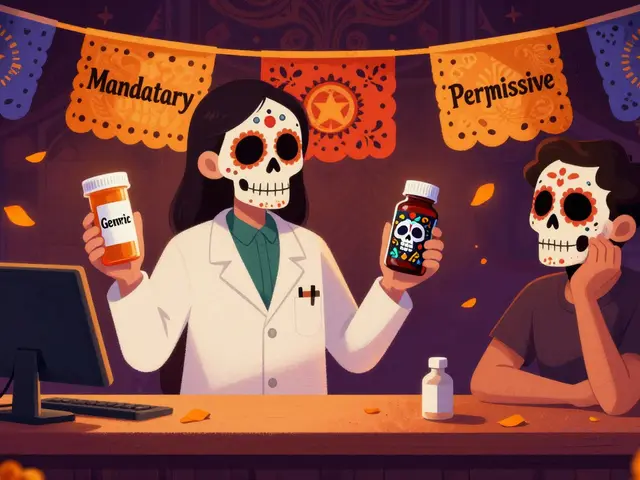
State laws on generic drug substitution vary widely across the U.S., affecting cost, safety, and pharmacist workload. Learn how mandatory vs. permissive rules, patient consent, biologic restrictions, and liability protections differ by state-and what it means for you.
As a blogger, I've recently delved into the role of surgery in treating Graves' disease. Surgery, specifically thyroidectomy, is one of the three primary treatment options for this condition, alongside medication and radioactive iodine therapy. It involves removing all or part of the thyroid gland, which can provide long-term relief from symptoms. Although it may not be the first choice for many patients, surgery can be especially beneficial for those with large goiters, pregnant women, or individuals who cannot tolerate other treatments. Overall, surgery plays a crucial role in Graves' disease treatment and can offer life-changing results for patients in specific circumstances.
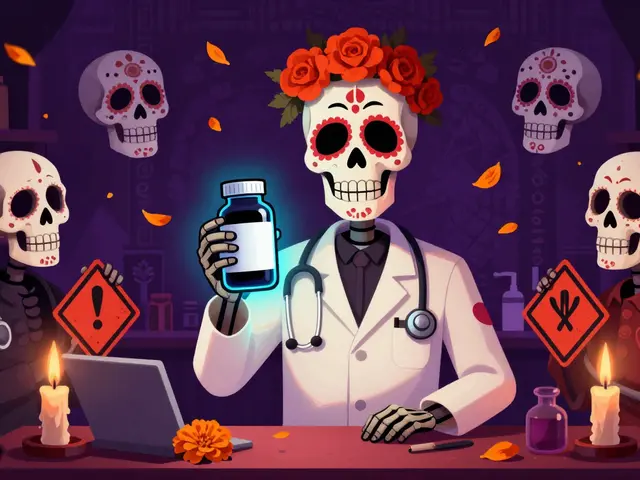
FDA black box warnings are the strongest safety alerts for prescription drugs, signaling risks of death or serious injury. Learn what they mean, how they're issued, and what to do if your medication has one.

Discover how Alpine Lady's Mantle, a powerful herbal supplement, supports hormonal balance, bone strength, and overall wellness for women with science‑backed benefits.