
If you’ve ever heard doctors talk about “hormone replacement” or “endocrine treatment,” they’re basically referring to hormone therapy. In simple terms, it’s the use of medicines that add, block, or change hormones in your body. Hormones are tiny chemical messengers that control everything from mood and metabolism to growth and reproduction. When those signals get out of sync, a doctor may prescribe hormone therapy to bring things back into balance.
People turn to hormone therapy for many reasons. Women going through menopause often need estrogen or progesterone to ease hot flashes, night sweats, and bone loss. Men with low testosterone might get patches or gels to boost energy and muscle strength. Thyroid patients use levothyroxine to replace a hormone their glands can’t make enough of. Even some cancer treatments rely on hormones—like using anti‑androgens for prostate cancer or estrogen blockers for certain breast cancers. The bottom line: hormone therapy is a tool, not a magic cure, and it works best when paired with regular doctor visits.
There’s no one‑size‑fits‑all pill. Different hormones come in different forms—pills, patches, gels, injections, or even implants under the skin. Here are a few everyday examples:
Each type has its own dosing schedule, monitoring needs, and potential interactions. That’s why talking to a pharmacist or doctor before you start is crucial.
The word “therapy” can sound risky, but most side effects are mild and manageable if you know what to look for. Here are the top things to keep in mind:
If any side effect feels severe—like chest pain, sudden swelling, or extreme mood changes—call your healthcare provider right away. Most issues can be fixed by tweaking the dose or switching to another delivery method.
Bottom line: hormone therapy can improve quality of life when used wisely. Keep a list of every medication you take, schedule regular check‑ups, and don’t hesitate to ask questions. Understanding what each hormone does, how it’s delivered, and what signs to watch for puts you in control of your health journey.
Ready to start or review your hormone treatment? Talk to your doctor about the best option for your specific needs, get baseline labs done, and set up a follow‑up plan. With the right guidance, hormone therapy can be a safe, effective way to feel more like yourself again.

Learn all about Prometrium, its uses, benefits, side effects, and practical tips for real-life hormone therapy. Everything you need in one place.

As I've been researching the connection between Idiopathic Pulmonary Fibrosis (IPF) and aging, I've discovered that IPF is a progressive lung disease that primarily affects older adults. It seems that the aging process may contribute to the development of IPF due to the accumulation of cellular damage over time. Additionally, age-related changes in the immune system and cell-regrowth processes could also play a role in the onset of this disease. Sadly, there is no known cure for IPF, but understanding the link to aging may help researchers develop better treatments in the future. It's important for all of us to be aware of this connection and take care of our lungs as we age.
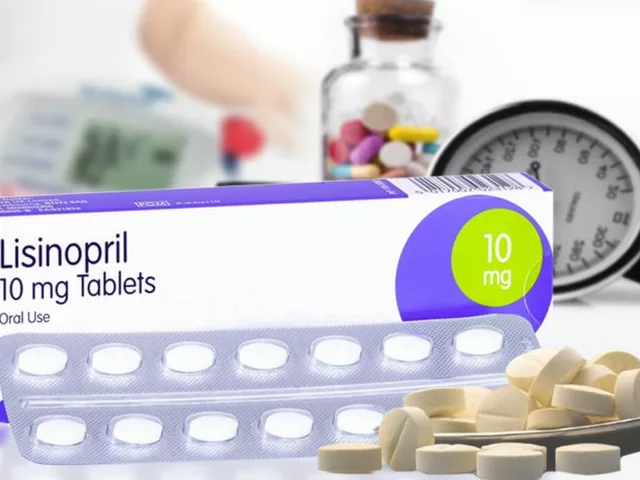
As a blogger, I've been researching the potential long-term effects of Lisinopril usage. Lisinopril, an ACE inhibitor, is commonly prescribed to treat high blood pressure and heart failure. While it may be effective in managing these conditions, it's important to be aware of the possible long-term effects. Some studies suggest that prolonged use of Lisinopril could potentially lead to kidney impairment, electrolyte imbalances, and an increased risk of angioedema. It's crucial to discuss these risks with your healthcare provider and weigh the potential benefits and drawbacks of using this medication long-term.

Hey folks! It's a roller coaster of a day when we're talking about leprosy elimination, isn't it? You might think it's all doctors and medicine, but surprise, surprise - it's also about us! Yep, our involvement in these efforts is like the secret sauce on a killer burger. Community efforts can aid in early detection, help reduce stigma, and even support those affected in their journey to recovery. So, let's roll up our sleeves and join the fight against leprosy, because together, we're more than just a force, we're a downright stampede!

Explore how antioxidant supplements can reduce oxidative stress, ease pain, and support standard therapy for chronic pancreatitis, with dosing tips and safety advice.

In my recent post, I discussed the relationship between Pyridostigmine Bromide and exercise for those living with Myasthenia Gravis. I explored how this medication can improve muscle strength, making physical activity more manageable for patients. However, I also highlighted the importance of balancing exercise with rest periods and working closely with healthcare providers to establish a suitable routine. Furthermore, it's crucial to listen to your body and not push too hard, as overexertion can lead to symptom flare-ups. Overall, while Pyridostigmine Bromide can aid in physical activity, careful management is key.