
When you have hidradenitis suppurativa, a chronic inflammatory skin disease that causes painful lumps under the skin, often in areas where skin rubs together. Also known as HS, it doesn’t come from poor hygiene—it’s not contagious, and it’s not caused by what you eat or how you shower. It’s rooted in blocked hair follicles and immune system overactivity, and it can turn your daily routine into a battle. Many people live with it for years before getting a proper diagnosis because doctors often mistake it for boils or infections. But HS is different. It doesn’t clear up with antibiotics alone, and it doesn’t go away on its own. Left untreated, it can lead to tunnels under the skin, scarring, and serious mobility issues.
Managing hidradenitis suppurativa, a condition that often requires long-term medication and lifestyle adjustments means thinking beyond quick fixes. You might need a mix of antibiotic therapy, oral or topical drugs used to reduce infection and inflammation in HS flare-ups, anti-inflammatory medications, drugs that calm the body’s overactive immune response, such as TNF blockers or corticosteroids, and sometimes even surgery. Weight loss, quitting smoking, and wearing loose clothing aren’t just helpful—they’re critical parts of treatment. Studies show that people who lose even 10% of their body weight often see fewer flare-ups. And if you’re on biologics like adalimumab, you need to know how they interact with other meds, especially if you’re also managing diabetes, depression, or joint pain.
There’s no one-size-fits-all fix, which is why so many people with HS end up trying one treatment after another. Some find relief with simple topical cleansers. Others need injections every two weeks. The key is working with a dermatologist who’s seen HS before—not just a general doctor who’s never heard of it. You’re not alone in this. Thousands of people struggle with the same hidden pain, the same frustration when others think it’s just acne. But the right combination of meds, lifestyle tweaks, and support can make a real difference. Below, you’ll find real-world advice from people who’ve been there: how generics cut long-term costs, what drug interactions to watch for, and how to talk to your pharmacist about hidden ingredients that might trigger reactions. This isn’t just information—it’s a roadmap to taking back control.

Hidradenitis suppurativa causes painful, recurring nodules that can lead to scarring and chronic pain. Biologic therapies like adalimumab, secukinumab, and bimekizumab now offer real relief by targeting inflammation at its source-changing the lives of thousands.
Store brand OTC medications contain the same active ingredients as name brands but cost 80% less. Learn how to save money without sacrificing effectiveness, backed by FDA data and real user experiences.

Cuba's healthcare system is amidst a critical shortage of essential medicines, pushing citizens towards the black market. This crisis highlights the struggle of families like Lili's, the irony of empty pharmacies yet abundant private vendors, and the government's efforts to address the complex issue.
Wondering why your generic drug suddenly costs more? Learn how tiered copays and PBM rebates determine your prescription prices and how to lower your costs.
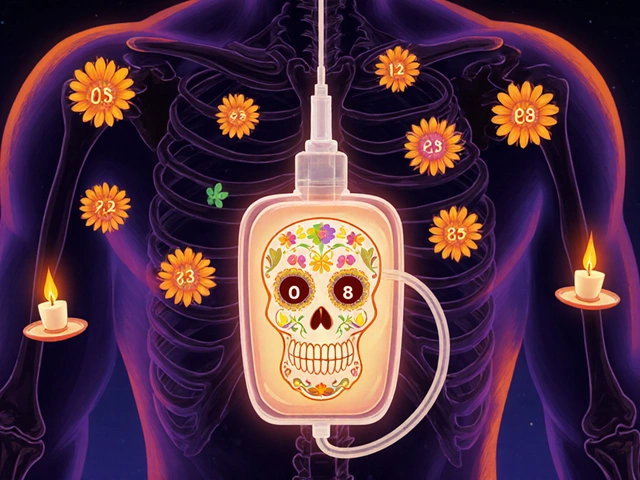
Learn how to set up and safely use an insulin pump for diabetes management. Understand basal rates, bolus types, site care, and real-world safety tips to avoid dangerous complications.

Actinic keratoses are precancerous skin patches caused by sun damage. Learn how field treatments like topical creams and photodynamic therapy can prevent them from turning into skin cancer.