
Ever feel wiped out by a busy day and wish you had a natural boost? Herbal adaptogens might be the answer. These are plants that help your body stay balanced when stress hits. They don’t act like a stimulant that spikes you and then crashes; instead, they support your adrenal system and help you bounce back faster.
Adaptogens work by modulating the stress hormone cortisol and improving how your cells use energy. The result is better focus, steadier mood, and less fatigue. You don’t need a prescription—most adaptogens are available as teas, powders, or capsules, making them easy to fit into daily routines.
Ashwagandha is a classic Indian herb often used to calm nerves and boost stamina. A daily dose of 300‑500 mg of a standardized extract can reduce perceived stress and improve sleep quality.
Rhodiola rosea thrives in cold, high‑altitude environments. It’s known for sharpening mental performance and decreasing feelings of burnout. Studies show 200‑400 mg taken before a demanding task can boost alertness without jitteriness.
Holy basil (Tulsi) offers a gentle way to support immunity while easing tension. A cup of Tulsi tea in the afternoon can keep blood sugar steady and soothe nervous energy.
Siberian ginseng (Eleutherococcus) isn’t a true ginseng, but it helps the body adapt to physical strain. Athletes often use it to improve endurance and speed up recovery after workouts.
Schisandra berry is a five‑flavor fruit used in Traditional Chinese Medicine. It supports liver health and can raise energy levels, making it a good option for people who feel sluggish after meals.
Start slow. Pick one herb and try a low dose for a week to see how your body reacts. If you feel good, you can increase to the suggested amount. Mixing several adaptogens is okay, but keep the total daily dose within the recommended range to avoid overstimulation.
Take adaptogens with food if you have a sensitive stomach. Many extracts are fat‑soluble, so a small amount of healthy fat (like almond butter or avocado) can improve absorption.
Pregnant or nursing people should check with a healthcare professional before adding any new herb. Some adaptogens, such as high‑dose Ashwagandha, may affect hormone levels.
Remember that adaptogens are a supplement, not a cure. Pair them with regular sleep, balanced meals, and movement for the best results. If you’re on prescription meds, especially for thyroid or blood pressure, talk to your doctor to avoid interactions.
By choosing quality products—look for standardized extracts, third‑party testing, and transparent labeling—you’ll get the most benefit with minimal risk. Start with a single herb, monitor how you feel, and adjust as needed. In no time, you’ll notice steadier energy, clearer focus, and a calmer response to life’s stressors.

Discover how Alpine Lady's Mantle, a powerful herbal supplement, supports hormonal balance, bone strength, and overall wellness for women with science‑backed benefits.

When a child swallows the wrong medication, immediate action is critical. Call Poison Control at 800-222-1222 first. Avoid inducing vomiting. Know life-threatening symptoms requiring 911. Prevent future incidents with locked storage and smart pill bottles.

Aspartates are emerging as a vital dietary supplement known for boosting energy levels and enhancing mineral absorption. Originating from a simple chemical reaction, these compounds aid in transporting essential minerals into cells, improving overall metabolic rhythms. In 2021, they became a must-have, especially for those seeking enhanced athletic performance and optimal bodily functions. Their compatibility with various minerals makes them versatile for addressing specific health concerns. Discover how aspartates can become a secret weapon in your daily health regimen.

Learn to read medication labels safely. This guide explains FDA requirements, the difference between prescription and OTC labels, and how to avoid dangerous dosing errors.
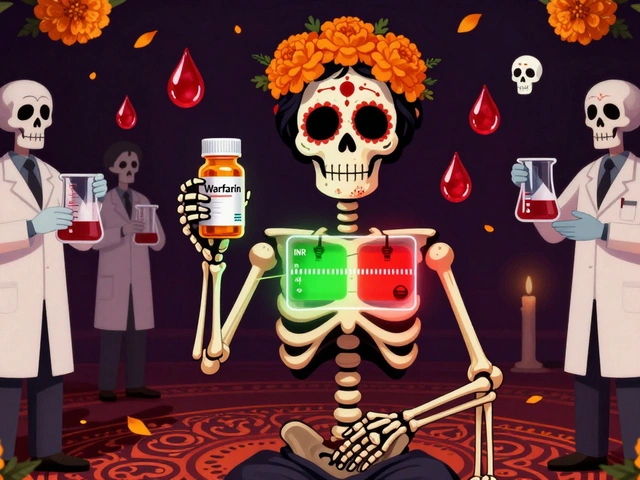
Studies show that switching generic versions of narrow therapeutic index (NTI) drugs like warfarin, phenytoin, and cyclosporine can lead to dangerous fluctuations in drug levels. Learn what the evidence says and how to protect yourself.

As a blogger, I've recently come across the topic of the role of Clozapine in the management of psychotic depression. Clozapine, an atypical antipsychotic medication, is used to treat severe cases of this mental health disorder when other treatments have failed. Its unique properties help in alleviating both psychotic symptoms and depressive episodes. However, it's essential to be aware of the potential side effects and monitor blood levels closely while administering this medication. In conclusion, Clozapine plays a crucial role in managing psychotic depression, improving the quality of life for those who suffer from this challenging condition.