
If your stomach feels off, you’re not alone. Millions of people deal with bloating, gas or irregularity without knowing why. The good news? You can improve gut health with everyday choices that don’t require a pharmacy visit. Below are easy steps anyone can try right now.
Your gut is more than a food processor—it houses trillions of microbes that influence immunity, mood and energy. When the balance shifts, you might feel sluggish, get skin breakouts or catch colds more often. Keeping the microbiome diverse helps keep these systems running smoothly.
1. Eat fiber daily. Whole grains, beans, fruits and veggies feed good bacteria. Aim for at least 25‑30 grams a day; a simple way is to add a handful of berries or a slice of whole‑wheat toast to each meal.
2. Stay hydrated. Water moves food through your intestines. Skip sugary drinks and sip plain water throughout the day—about eight glasses is a solid target.
3. Choose fermented foods. Yogurt, kefir, sauerkraut or kimchi introduce live cultures that can jump‑start a healthy gut. A cup of yogurt or a few spoonfuls of kimchi each day makes a difference.
4. Limit processed sugars and artificial sweeteners. They feed bad bacteria and cause inflammation. Swap candy for a piece of fruit when cravings hit.
5. Move your body. Light exercise, like a 20‑minute walk after meals, stimulates gut motility and supports bacterial diversity.
6. Manage stress. Stress hormones can disrupt the gut lining. Try deep breathing, short meditation or a hobby you enjoy to keep tension low.
These habits are simple, cheap and don’t require any prescription. Start with one change—maybe adding a probiotic yogurt to breakfast—and see how your digestion feels over a week.
If symptoms persist despite lifestyle tweaks, it’s worth chatting with a doctor. Conditions like IBS or food intolerances need professional guidance. But for most people, consistent daily habits are enough to keep the gut humming.
Remember, gut health isn’t a one‑time fix; it’s a collection of small choices that add up. Keep experimenting, stay curious, and enjoy the benefits of a calmer stomach and more energy throughout your day.

Abdominal distension can turn a great day into a disaster, but probiotics might just be the underrated tool your gut needs. This article dives into how probiotics can actually help reduce bloating and swelling by changing your gut’s bacterial landscape. I'll explore specific strains, explain what real evidence says, and unpack simple habits to keep your digestion happy. You'll learn who benefits most, what mistakes to avoid, and how small changes can add up. Get ready for tips straight from the science to your everyday life.

Hidradenitis suppurativa causes painful, recurring nodules that can lead to scarring and chronic pain. Biologic therapies like adalimumab, secukinumab, and bimekizumab now offer real relief by targeting inflammation at its source-changing the lives of thousands.

Drug interactions can turn mild side effects into life-threatening events. Learn how common meds, foods, and genetics combine to increase risks-and what you can do to stay safe.

As a blogger, I recently came across the topic of Melphalan and its effects on the skin. Melphalan is a chemotherapy drug that can cause dermatological side effects such as rashes, redness, and irritation. To manage these side effects, it's essential to maintain proper skin hygiene, use gentle skincare products, and avoid excessive sun exposure. In some cases, doctors may prescribe topical treatments or medications to alleviate symptoms. Remember to consult with your healthcare provider to find the best management strategy for your specific situation.

Cuba's healthcare system is amidst a critical shortage of essential medicines, pushing citizens towards the black market. This crisis highlights the struggle of families like Lili's, the irony of empty pharmacies yet abundant private vendors, and the government's efforts to address the complex issue.
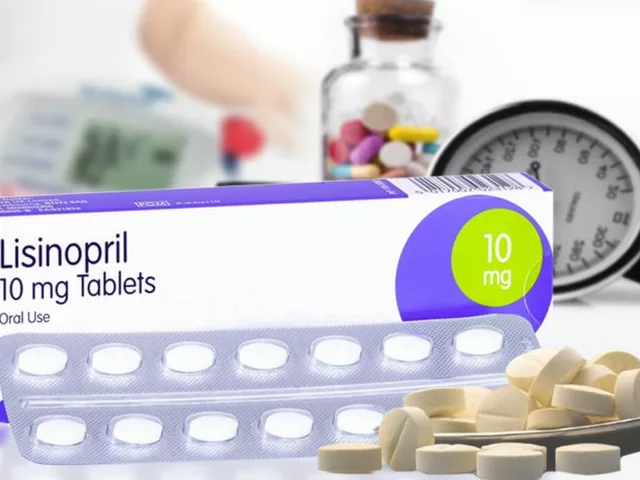
As a blogger, I've been researching the potential long-term effects of Lisinopril usage. Lisinopril, an ACE inhibitor, is commonly prescribed to treat high blood pressure and heart failure. While it may be effective in managing these conditions, it's important to be aware of the possible long-term effects. Some studies suggest that prolonged use of Lisinopril could potentially lead to kidney impairment, electrolyte imbalances, and an increased risk of angioedema. It's crucial to discuss these risks with your healthcare provider and weigh the potential benefits and drawbacks of using this medication long-term.