
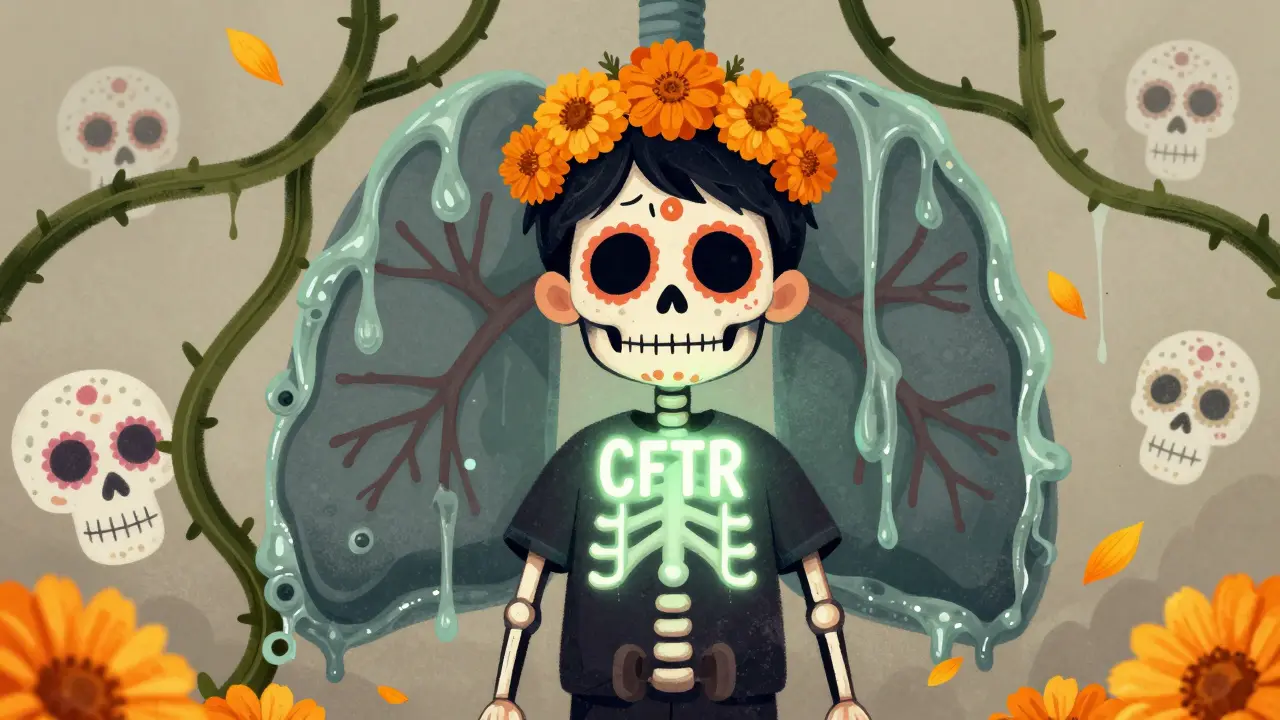
Cystic fibrosis is a genetic disease causing thick mucus in the lungs and organs. New CFTR modulator drugs like Trikafta have transformed survival rates, but access and cost remain major barriers for many.
Generic medications save money but may contain different inactive ingredients that can trigger reactions in sensitive individuals. Learn what's really in your pills and how to protect yourself.
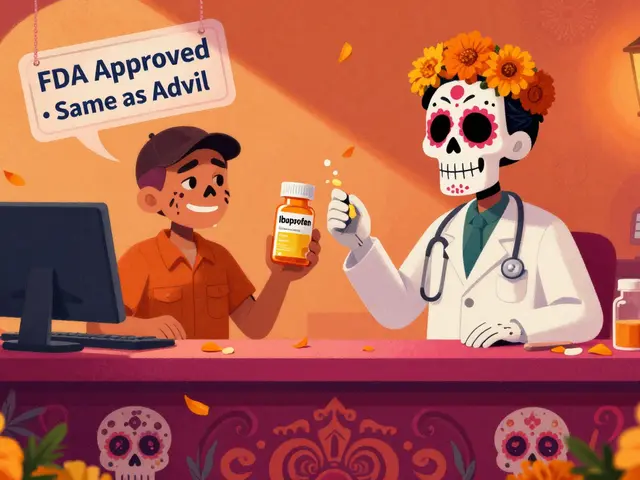
Generic substitution in workers' compensation saves billions by replacing brand-name drugs with equally effective generics. Learn how it works, when it’s required, and what injured workers should know.
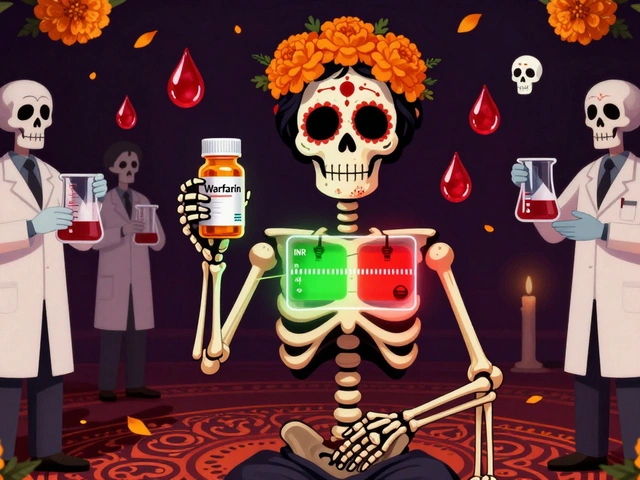
Studies show that switching generic versions of narrow therapeutic index (NTI) drugs like warfarin, phenytoin, and cyclosporine can lead to dangerous fluctuations in drug levels. Learn what the evidence says and how to protect yourself.

In my latest blog post, I dive into the underrated world of sodium as a dietary supplement. Surprisingly, despite its negative reputation, our bodies need sodium for a variety of critical functions such as maintaining fluid balance, nerve transmission, and muscle contractions. However, it's all about balance and moderation. Overconsumption can cause health issues, but adequate amounts can be beneficial. Check out the post to learn more about why sodium might be the supplement you need to try today.

As a blogger, I've recently researched enteric infections and I'd like to share my findings with you all. Enteric infections are caused by consuming contaminated food or water, and can lead to symptoms such as diarrhea, vomiting, and abdominal pain. They are often caused by viruses, bacteria, or parasites, with some common examples being E. coli and Salmonella. To prevent these infections, it is important to practice good hygiene, regularly wash our hands, and be cautious with the food and water we consume. Remember, prevention is better than cure, so let's stay vigilant and keep ourselves and our loved ones safe from these infections.