
When you hear generic drugs, lower-cost versions of brand-name medications that contain the same active ingredients and meet the same safety standards. Also known as generic medications, they make up over 90% of prescriptions filled in the U.S. and help millions afford life-saving treatments every year. But not all generics are created equal—and knowing the difference can save you money, avoid side effects, or even prevent a dangerous reaction.
Many people assume a generic is just a cheaper copy, but that’s not the whole story. The FDA requires generics to have the same active ingredient, strength, dosage form, and route of administration as the brand name. That means generic drugs work the same way in your body. But here’s what most don’t tell you: the inactive ingredients—like fillers, dyes, and preservatives—can be completely different. That’s why some people report side effects when switching from brand to generic, even if their doctor says it’s "the same drug." These differences matter if you’re allergic to lactose, gluten, or certain dyes. That’s where authorized generics, exact copies of brand-name drugs made by the same company under a different label come in. They’re not just cheaper—they’re often identical in every way, down to the inactive ingredients.
Then there’s the money. When a brand-name drug’s patent expires, other companies can make the same drug. The first generic usually cuts the price by 30-50%. But when a second or third company enters the market? Prices can drop by 80% or more. That’s how a $300 monthly pill becomes a $20 one. And it’s not just for expensive drugs—insulin, blood pressure meds, and antidepressants all follow this pattern. But here’s the catch: sometimes, even with multiple generics available, prices stay high because of supply chain issues, lack of competition, or pharmacy benefit managers locking out cheaper options. That’s why knowing how to ask for the lowest-cost generic—or even an authorized version—can make a real difference in your wallet.
And it’s not just about cost. Some people switch to generics and feel worse—not because the drug doesn’t work, but because their body reacts to a new filler. That’s why checking the inactive ingredients matters. If you’ve ever had an unexpected reaction after switching pills, it might not be the drug—it’s the stuff holding it together. That’s why posts here dig into everything from how to read a pill’s label to why some pharmacies quietly swap generics without telling you.
What you’ll find below isn’t just theory. It’s real-world advice from people who’ve been there: how to avoid hidden costs, how to spot when a generic isn’t right for you, why authorized generics sometimes beat regular ones, and what to say to your pharmacist when something feels off. Whether you’re managing diabetes, high blood pressure, or depression, understanding generics isn’t just smart—it’s essential.
Explore how pharmacy substitution laws work and when pharmacists can switch to generic drugs without asking. Learn about presumed consent, patient rights, and safety concerns.
Clinical evidence shows generic drugs are just as safe and effective as brand-name drugs for most people. Learn when generics work, when to be cautious, and what to do if you notice a difference after switching.
Generic substitution in workers' compensation saves billions by replacing brand-name drugs with equally effective generics. Learn how it works, when it’s required, and what injured workers should know.
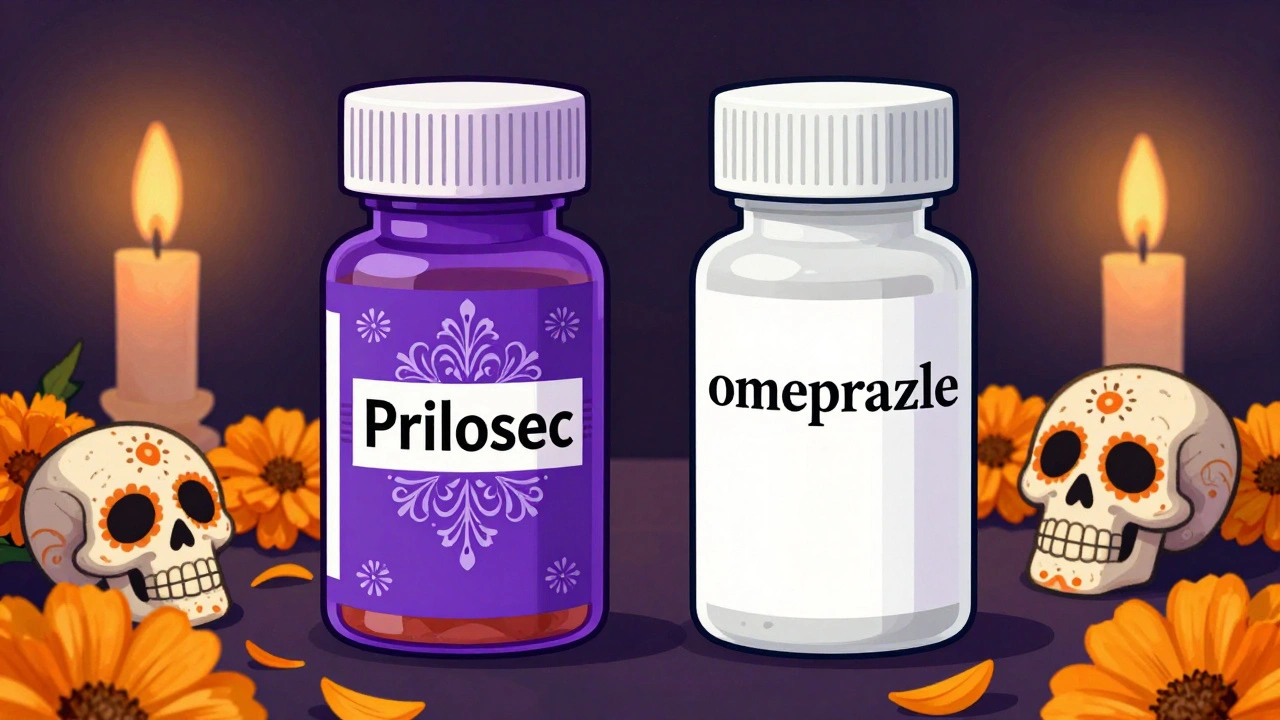
Generic drugs save billions and work just as well as brand-name versions. Learn what the FDA requires for therapeutic equivalence, why labels look different, and when to watch for subtle changes.
Authorized generics are identical to brand-name drugs but cost less because they skip marketing costs and trigger immediate price competition. Learn how they work, why they’re cheaper, and how to get them.

As a blogger who often experiences acute back pain, I was curious to find out if Methocarbamol could be an effective solution. After doing some research, I found that Methocarbamol is a muscle relaxant that can help relieve muscle spasms and pain from various musculoskeletal conditions. Some studies suggest that it may be effective in reducing acute back pain when used in combination with other pain relievers. However, the results are not entirely conclusive, and it's essential to consult with a healthcare professional before starting any new medication. Overall, Methocarbamol may be a helpful option for some individuals with acute back pain, but further research is needed to determine its true effectiveness.

Hi there, it's your friendly family doctor, here to let you in on some fantastic coupon codes for our online drug store, familydoctor.org. This is a golden opportunity to grab those everyday essential medications and vital prescriptions, without breaking your bank. Don't miss out on these tempting deals that intend to make healthcare easier on your pocket. So, why delay? Come, uncover these discount codes and take a healthy step towards savings!
The FDA's black box warning on antidepressants warns of increased suicidal thoughts in young people - but the real danger may be avoiding treatment altogether. Here's what the data really shows.
Magnesium supplements can block the absorption of osteoporosis medications like Fosamax and Actonel. Learn the two-hour timing rule to protect your bone health and avoid treatment failure.

As a dental health enthusiast, I recently learned about the fascinating connection between calcium acetate and dental health. Calcium acetate, a compound found in some dental products, helps to combat tooth decay and promote healthy gums. It works by neutralizing the acids in our mouth, which are responsible for breaking down tooth enamel. Additionally, calcium acetate aids in remineralizing our teeth, making them stronger and more resistant to cavities. Incorporating dental products containing calcium acetate into our oral hygiene routine can significantly improve our overall dental health.