
Learn how to identify legitimate generic drugs at the pharmacy by checking labels, verifying pharmacies, spotting counterfeit signs, and using lot numbers to confirm safety. Save money without risking your health.
Pharmacists play a critical role in catching problematic generic medications that can cause therapeutic failure or adverse effects. Learn when and how to flag unsafe substitutions, especially with narrow therapeutic index drugs.

A practical comparison of Inderal (Propranolol) with top beta‑blocker alternatives, covering uses, dosing, side effects, and how to choose the right medication for your health needs.

Discover how Alpine Lady's Mantle, a powerful herbal supplement, supports hormonal balance, bone strength, and overall wellness for women with science‑backed benefits.
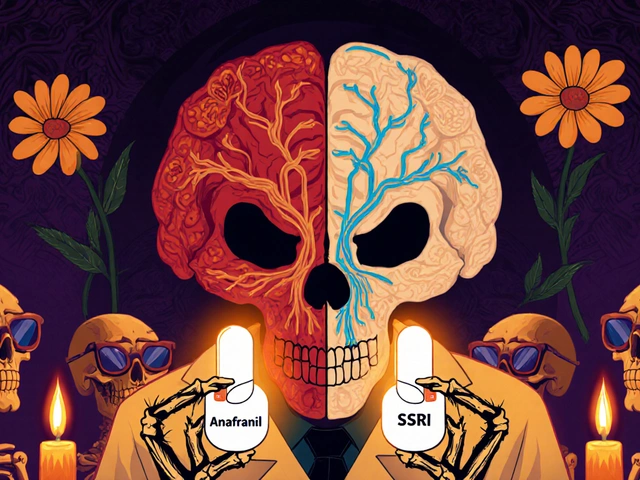
Anafranil (clomipramine) is effective for OCD but has tough side effects. Discover how SSRIs like Zoloft and Prozac compare as safer, nearly as effective alternatives - and when Anafranil might still be the best choice.
Psychiatric polypharmacy-taking multiple mental health medications at once-is common but often unsupported by evidence. Learn why it happens, the risks involved, and how to safely reduce unnecessary drugs without losing stability.

In my latest blog post, I've tackled some common myths surrounding breathing disorders. I've busted several misconceptions like the belief that asthma is always outgrown in adulthood, or that sleep apnea only affects overweight individuals. By shedding light on these misconceptions, I hope to provide a clearer understanding of these conditions, and remind everyone that proper diagnosis and treatment are crucial. Breathing disorders are serious and shouldn't be taken lightly, and it's high time we separate fact from fiction. Stay tuned for more health myth-busting posts!