
When your mind won’t shut off—worrying about work, health, money, or even things that haven’t happened yet—you might be dealing with generalized anxiety, a chronic condition marked by excessive, uncontrollable worry that lasts for months and interferes with daily life. Also known as GAD, it’s not just being stressed. It’s a persistent mental loop that no amount of logic can break. Unlike normal worry, which fades after a problem is solved, generalized anxiety sticks around, even when there’s no clear reason for it.
This condition doesn’t happen in a vacuum. It often shows up with other issues like insomnia, trouble falling or staying asleep due to racing thoughts, or muscle tension, constant tightness in the neck, shoulders, or jaw from prolonged stress. People with generalized anxiety also commonly struggle with irritability, fatigue, and trouble concentrating. It’s not weakness—it’s a real, measurable brain state that affects how your nervous system responds to everyday triggers. Many don’t realize they have it until they start noticing how much energy they’re spending just trying to feel calm.
Treatment isn’t one-size-fits-all. Some find relief with cognitive behavioral therapy, a structured form of talk therapy that helps rewire how you respond to anxious thoughts. Others benefit from medications like SSRIs or SNRIs, which help balance brain chemicals linked to mood and fear. But even the best meds won’t fix everything if lifestyle factors like caffeine, poor sleep, or chronic stress are still in play. That’s why the most effective plans combine therapy, medication when needed, and practical habits—like daily movement, breathing exercises, and cutting back on alcohol.
You’ll find posts here that dig into the real-world details: how certain drugs interact with anxiety, what alternatives exist when one medication doesn’t work, and how lifestyle choices like diet or alcohol use can make symptoms worse or better. Some articles compare specific treatments, while others explain why certain approaches fail for some people but work for others. There’s no magic fix, but there are proven paths—and the right one for you might be closer than you think.
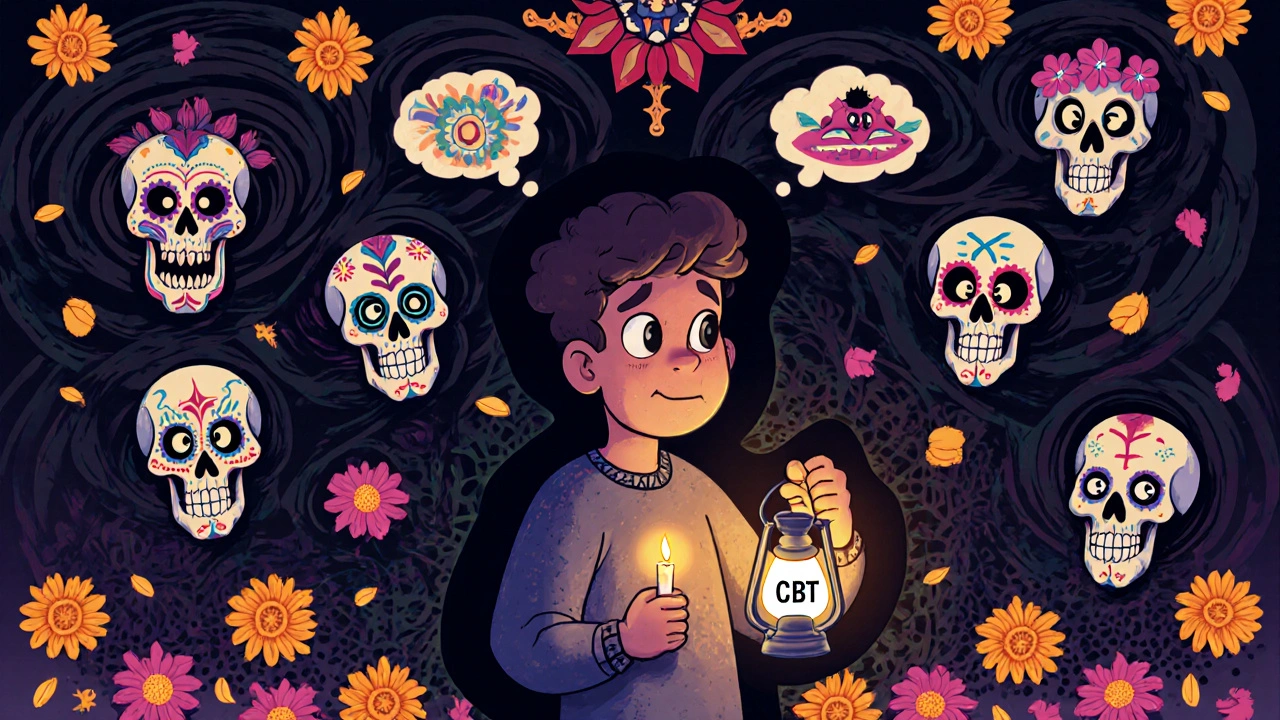
Anxiety disorders affect nearly 1 in 5 adults and include types like GAD, panic disorder, and social anxiety. Evidence-based treatments like CBT and SSRIs are highly effective, with new options like digital apps and zuranolone emerging in 2023.
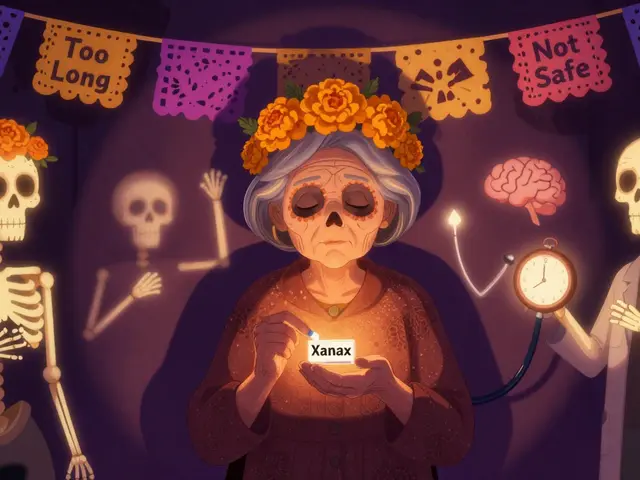
Benzodiazepines pose serious risks for seniors including falls, memory loss, and dementia. Safer alternatives like CBT-I, SSRIs, and ramelteon offer effective, long-term relief without the dangers. Learn why experts now recommend avoiding these drugs and how to transition safely.

Licorice contains glycyrrhizin, which can raise blood pressure and lower potassium, making blood pressure meds less effective. Avoid black licorice if you're on these medications.
The FDA's black box warning on antidepressants warns of increased suicidal thoughts in young people - but the real danger may be avoiding treatment altogether. Here's what the data really shows.
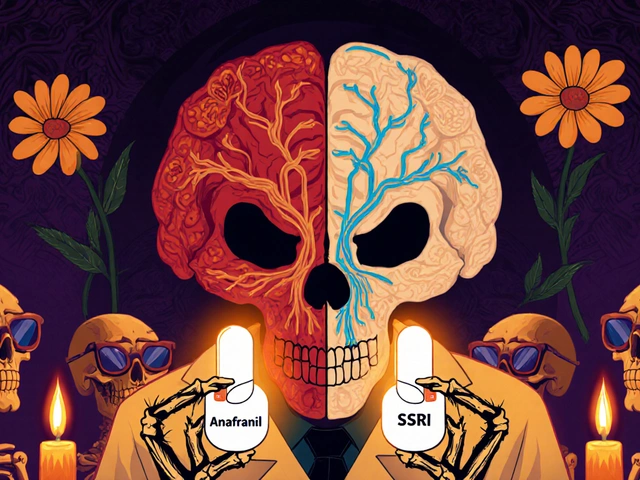
Anafranil (clomipramine) is effective for OCD but has tough side effects. Discover how SSRIs like Zoloft and Prozac compare as safer, nearly as effective alternatives - and when Anafranil might still be the best choice.

Tinnitus affects 1 in 5 people and is often linked to hearing loss. Learn the real causes, what actually helps - from hearing aids to CBT - and what to avoid. No magic cures, just science-backed strategies.