
Ever wondered why your doctor wrote gemfibrozil on a prescription? Most people hear the name once and never look deeper. In short, gemfibrozil is a pill that helps lower bad fats in your blood, especially triglycerides and certain cholesterol types. If you’ve been told you have high triglycerides or mixed‑type hyperlipidemia, this drug might be part of the plan.
Gemfibrozil belongs to a class called fibrates. It works by telling your liver to break down fatty acids faster, which drops the amount of triglycerides floating around in your bloodstream. Lowering those fats can cut down the risk of pancreatitis and may help protect your heart over time. Doctors often add it when diet alone isn’t enough or when statins don’t fully control the numbers.
The usual dose is 600 mg (usually two 300‑mg tablets) taken twice a day with meals. Taking it with food reduces stomach upset and helps your body absorb the drug better. Space the doses about 12 hours apart – morning and evening works for most folks. Avoid grapefruit juice because it can boost gemfibrozil levels and increase side effects.
Alcohol is another big no‑no. Even a few drinks a week can raise triglyceride levels and stress your liver, which is already working harder while you’re on the medication. If you drink, talk to your doctor about safe limits or consider cutting back entirely.
Don’t skip doses unless your doctor says it’s okay. Missing a dose for a day or two won’t cause major trouble, but stopping abruptly can let triglycerides bounce back up quickly. Keep a pill box or set phone reminders if you tend to forget.
Side effects are usually mild at first – think stomach cramps, nausea, or a slight headache. Some people notice muscle aches; if they’re severe or paired with dark urine, call your doctor right away because that could signal a rare but serious problem called rhabdomyolysis.
Gemfibrozil can also raise the risk of gallstones, especially if you’ve had them before. If you feel sudden upper‑right belly pain, fever, or jaundice, get medical help immediately.
Drug interactions matter a lot with gemfibrozil. It can boost the levels of blood thinners like warfarin, making bleeding more likely. Statins such as simvastatin become riskier too – the combination can increase muscle damage. Always list every supplement, over‑the‑counter drug, and prescription you take when you pick up your refill.
Blood tests are part of staying safe. Your doctor will check liver enzymes and kidney function before starting gemfibrozil and then periodically while you’re on it. If any numbers drift high, the dose may be lowered or the drug stopped.
Quick FAQs:
Bottom line: gemfibrozil can be an effective tool to tame high triglycerides, but it works best when you pair it with healthy eating, limited alcohol, and regular check‑ups. Keep the conversation open with your doctor, follow the dosing schedule, and watch for any warning signs. Doing so will give you the best chance of keeping those blood fats in check without unwanted surprises.
I recently delved into the side effects of gemfibrozil, a medication used to lower lipid levels in the body. Some common side effects include stomach pain, diarrhea, and headaches. While most of these are mild and temporary, it's important to consult with your doctor if they persist. In my research, I discovered that maintaining a healthy lifestyle and diet can help alleviate some of these side effects. I'll be sharing some tips on how to manage these side effects and maintain a balanced life while taking gemfibrozil.
Clinical evidence shows generic drugs are just as safe and effective as brand-name drugs for most people. Learn when generics work, when to be cautious, and what to do if you notice a difference after switching.

Explore how Carbamazepine acts as a potent CYP3A4 inducer, causing significant drug interactions with contraceptives, anticoagulants, and its own autoinduction process.

FDA black box warnings are the strongest safety alerts for prescription drugs, signaling risks of death or serious injury. Learn what they mean, how they're issued, and what to do if your medication has one.

Cut through the confusion of online Tofranil shopping. Here’s what you really need to know to buy antidepressants online, stay safe, and avoid scams.
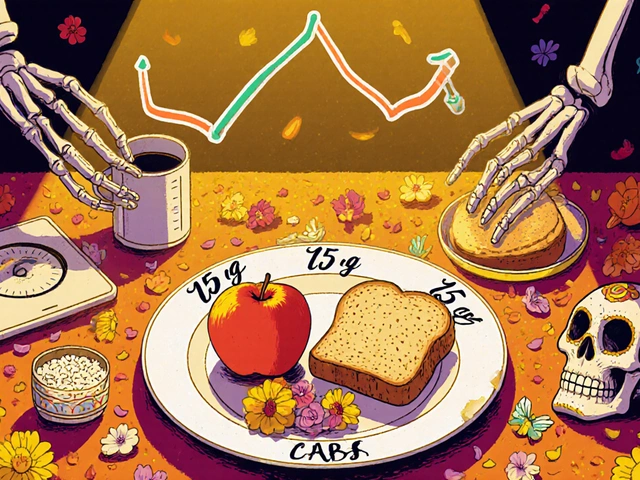
Learn how to count carbohydrates for diabetes management with this beginner-friendly guide. Understand carb servings, insulin ratios, reading labels, and avoiding common mistakes to take control of your blood sugar.