
When your liver stores too much fat, it’s called fatty liver, a condition where excess fat builds up in liver cells, often without symptoms until damage occurs. Also known as hepatic steatosis, it’s not just a problem for heavy drinkers—it’s now the most common liver disease in the U.S., affecting up to 1 in 3 adults. Most cases fall into two types: nonalcoholic fatty liver disease (NAFLD), fat buildup not caused by alcohol, often linked to obesity, insulin resistance, or high cholesterol, and alcohol-related liver disease, fat accumulation from long-term heavy drinking. Both can quietly progress to inflammation, scarring, and even liver failure if ignored.
Fatty liver doesn’t always mean you’re unhealthy—but it’s a strong signal that something’s off. It’s closely tied to metabolic issues like type 2 diabetes, high blood pressure, and belly fat. Many people find out they have it during a routine ultrasound or blood test, not because they feel sick, but because their liver enzymes are elevated. The scary part? Up to 30% of people with NAFLD will develop a more serious form called NASH—nonalcoholic steatohepatitis—which can lead to cirrhosis or liver cancer. The good news? In its early stages, fatty liver is often reversible. Losing just 5-10% of body weight, cutting back on sugar and refined carbs, and getting regular movement can shrink that fat buildup. No pills, no surgery—just real, daily choices.
You won’t find a magic supplement that fixes this. But you will find plenty of practical advice on how to manage it through diet, medication safety, and lifestyle changes. The posts below cover what really works: how to avoid drug interactions that stress your liver, why some diabetes meds actually help reverse fatty liver, how to read food labels to cut hidden sugars, and what to ask your pharmacist about medications that might be making things worse. Whether you’re just starting to worry about your liver or already managing related conditions like diabetes or high cholesterol, this collection gives you clear, no-nonsense steps you can take today.

MAFLD is the most common liver disease worldwide-but it’s reversible. Learn how diet, exercise, and weight loss can heal your liver, what treatments actually work, and why most people don’t know they have it.
Learn why generic medications change appearance and when switching between different manufacturers can be risky for your health, especially with NTI drugs.
Authorized generics are identical to brand-name drugs but cost less because they skip marketing costs and trigger immediate price competition. Learn how they work, why they’re cheaper, and how to get them.
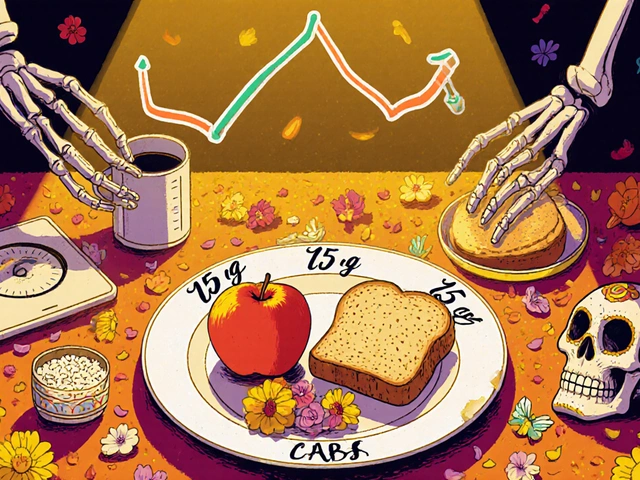
Learn how to count carbohydrates for diabetes management with this beginner-friendly guide. Understand carb servings, insulin ratios, reading labels, and avoiding common mistakes to take control of your blood sugar.
Wondering why your generic drug suddenly costs more? Learn how tiered copays and PBM rebates determine your prescription prices and how to lower your costs.

A practical comparison of Inderal (Propranolol) with top beta‑blocker alternatives, covering uses, dosing, side effects, and how to choose the right medication for your health needs.