
When you take a new medication, you trust it’s safe—but safety doesn’t end at approval. The FAERS database, the FDA’s system for collecting and analyzing reports of adverse drug reactions. Also known as FDA Adverse Event Reporting System, it’s the backbone of post-market drug safety in the U.S. Every time a doctor, patient, or pharmacist spots a strange reaction—like sudden liver damage after a new pill or unexplained seizures linked to a common antidepressant—they can report it here. These aren’t guesses or rumors. They’re real, documented events that help the FDA spot hidden dangers long after a drug hits shelves.
The FAERS database doesn’t just collect reports—it connects the dots. It links drugs to symptoms, identifies patterns across thousands of cases, and flags potential risks that clinical trials missed. For example, it helped uncover the heart risks tied to certain diabetes drugs and the link between some antibiotics and tendon rupture. These aren’t theoretical concerns. They’re based on real people’s experiences. The system also tracks how often these events happen, who’s most affected (like older adults or people on multiple meds), and whether certain brands or generics show different patterns. This is where adverse drug reactions, harmful or unintended effects caused by medications become data, and data becomes action. It’s not perfect—reports can be incomplete or biased—but it’s the best real-world window we have into how drugs behave outside controlled studies.
Behind every report in FAERS is a story: someone who got sick after taking a drug their doctor said was safe, a family who lost a loved one to an unexpected side effect, or a pharmacist who noticed a cluster of similar reactions in their pharmacy. These stories aren’t just noise—they’re signals. And they’re why the FDA drug monitoring, the ongoing process of evaluating drug safety after approval exists. It’s not about scaring you off meds. It’s about making sure the benefits still outweigh the risks, and that you know what to watch for. The posts below dive into real cases where drug safety data changed treatment choices—like how a rare reaction to a common painkiller led to new warnings, or how generic versions triggered unexpected side effects in sensitive patients. You’ll see how doctors and patients use this data to make smarter, safer decisions. Whether you’re managing a chronic condition, switching meds, or just wondering why your pill label changed, this is the system that’s watching out for you.
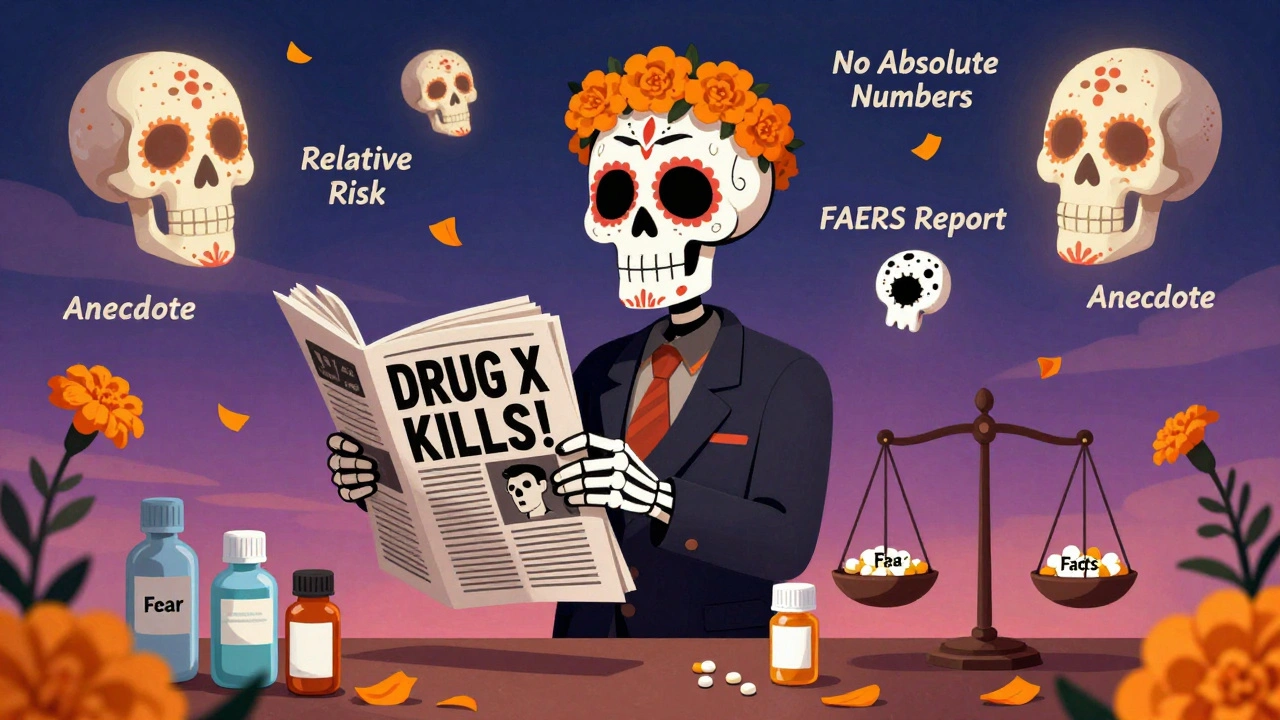
Learn how to spot misleading media reports about drug safety by checking study methods, understanding risk numbers, and verifying sources. Don't let sensational headlines scare you into stopping your medication.
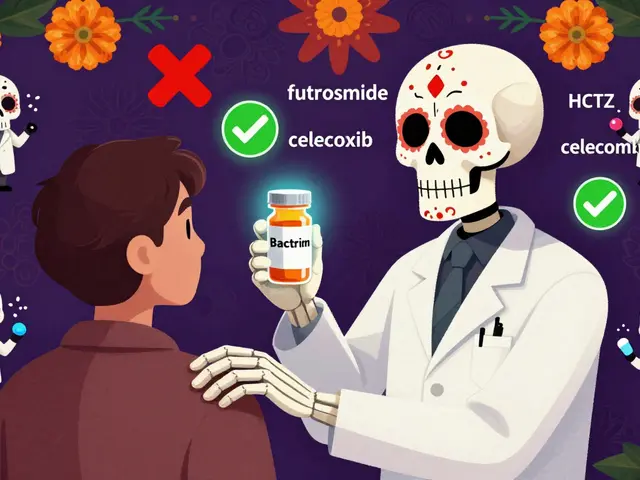
Many people wrongly avoid safe medications like blood pressure pills due to a misunderstood sulfa allergy. Learn the real risks, which drugs are truly dangerous, and how to fix your medical records.

Curious about mixing spironolactone and alcohol in 2024? This article breaks down new clinical research on hormone levels and liver effects when the two are combined. Packed with facts, stats, and relatable situations, you'll find smart tips and an honest look at what doctors and studies really say. Readers will understand potential risks, latest findings, and safer habits for daily life—all in plain language.

Earwax impaction occurs when earwax builds up in the ear canal, causing symptoms like hearing loss and earaches. Learn about safe removal methods, risks of home attempts, and when to see a doctor. Professional care is safer than DIY solutions. Avoid dangerous practices like ear candling.
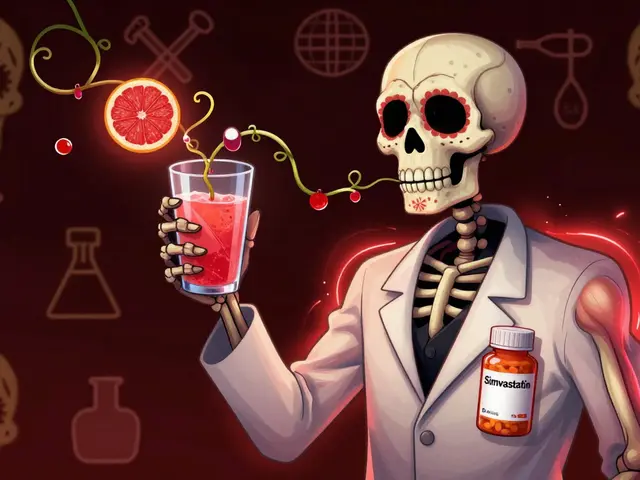
Grapefruit can dangerously raise statin levels in your blood, increasing the risk of muscle damage. Learn which statins are risky, how much grapefruit is safe, and what to do if you love citrus but need to lower cholesterol.
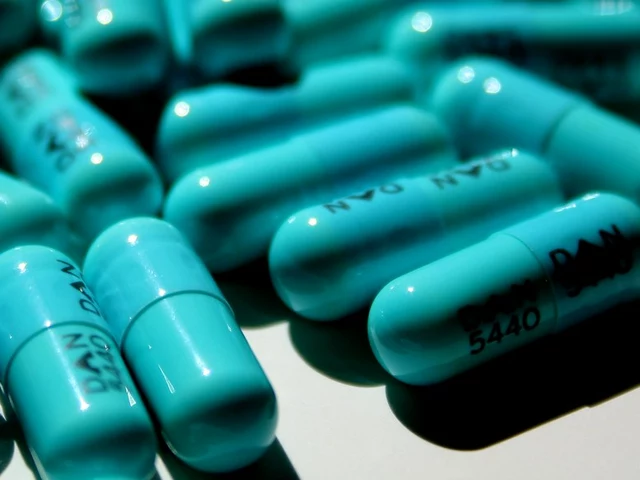
In my recent research, I've discovered that Tetracycline, a type of antibiotic, is remarkably effective in treating cholera. This disease, commonly spread through contaminated water, can be devastating but Tetracycline helps to reduce both the severity and duration of symptoms. It works by inhibiting the bacteria's protein synthesis, helping to prevent the disease from progressing. It's great to know that this antibiotic can be a game-changer in cholera-ridden areas. However, it's important to remember that prevention, through clean water and sanitation, is always the best cure.