
When you're an elderly patient, a person aged 65 or older managing one or more chronic conditions with multiple medications. Also known as a senior patient, it's common to take several drugs at once—each with its own risks, side effects, and interactions. This isn't just about popping pills. It's about keeping someone strong, independent, and out of the hospital.
Many elderly patients take polypharmacy, which means five or more medications daily. That’s not unusual if you have high blood pressure, arthritis, diabetes, or heart issues. But each new drug adds risk. A study in the Journal of the American Geriatrics Society found that over 40% of seniors on five or more drugs had at least one dangerous interaction. Common offenders? Blood thinners, painkillers, antidepressants, and heart meds. Even something as simple as ibuprofen can raise blood pressure or hurt kidneys in older adults. And let’s not forget how aging changes how the body handles drugs—slower metabolism, less water, more fat. What worked at 50 might overload you at 75.
That’s why senior medication safety isn’t just a checklist. It’s about daily habits. Can your parent read the label? Do they use a pill organizer? Are they mixing alcohol with their meds? These aren’t small details—they’re life-or-death. You’ll find posts here that break down how drugs like Requip, Linagliptin, and Etodolac behave in older bodies. You’ll see how allopurinol reacts with alcohol, why immunosuppressants after transplants need close watching, and how Parkinson’s meds like Stalevo can make daily life better—or worse—if dosed wrong. We don’t just list drugs. We show you how they fit into real lives.
Most of the posts here come from families who’ve been there—navigating confusing prescriptions, spotting side effects, talking to doctors who rush through appointments. You’ll find practical comparisons: which painkiller is safest for an elderly joint? What’s the real difference between generic and brand-name heart meds? How do you know if a new symptom is the disease or the drug? There’s no fluff. Just clear, no-nonsense advice based on real cases and real science.
If you’re caring for an elderly patient, you’re already doing more than most. This collection gives you the tools to ask better questions, spot red flags, and make smarter choices—without needing a medical degree. What you’ll find below isn’t theory. It’s what works when lives are on the line.
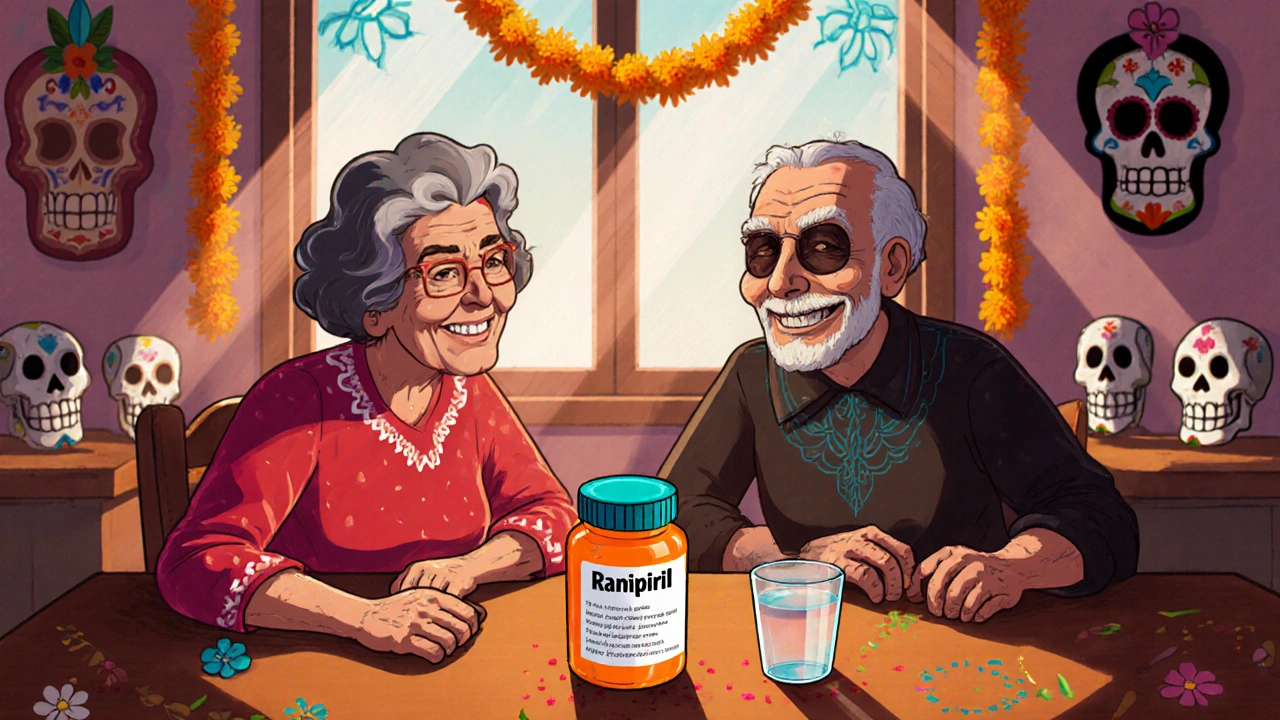
A clear guide on using Ramipril in seniors, covering benefits, dosing, side effects, interactions, and safety tips for patients and caregivers.
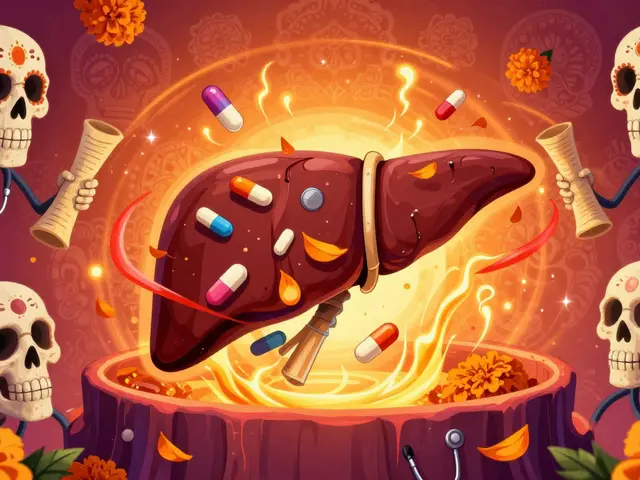
Statins are safe and beneficial for people with liver disease, reducing heart attack risk and improving liver outcomes. Learn why doctors should prescribe them-and why patients need to ask.
Alopecia areata is an autoimmune condition causing sudden, patchy hair loss. Learn about its causes, clinical forms, and evidence-based treatments-including corticosteroid injections and FDA-approved JAK inhibitors like baricitinib and ritlecitinib.

Imagery Rehearsal Therapy (IRT) is the most effective non-drug treatment for PTSD-related nightmares. Learn how rewriting your nightmares before sleep can break the cycle of trauma, improve sleep, and reduce PTSD symptoms-backed by clinical research.
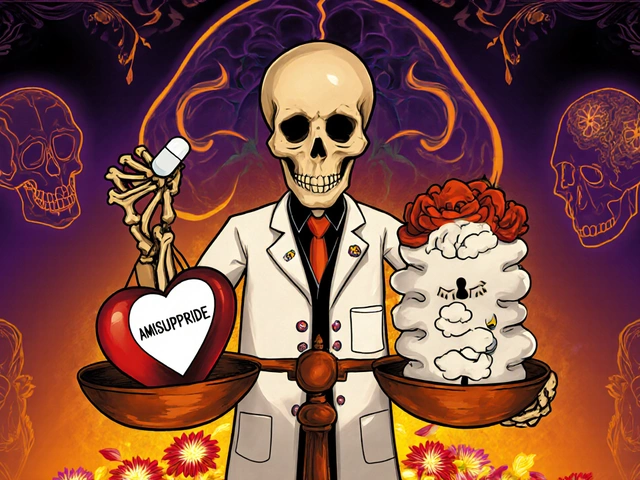
Solian (amisulpride) is an antipsychotic with unique benefits for negative schizophrenia symptoms and low weight gain risk. Compare its side effects, effectiveness, and cost to risperidone, olanzapine, aripiprazole, and other alternatives.
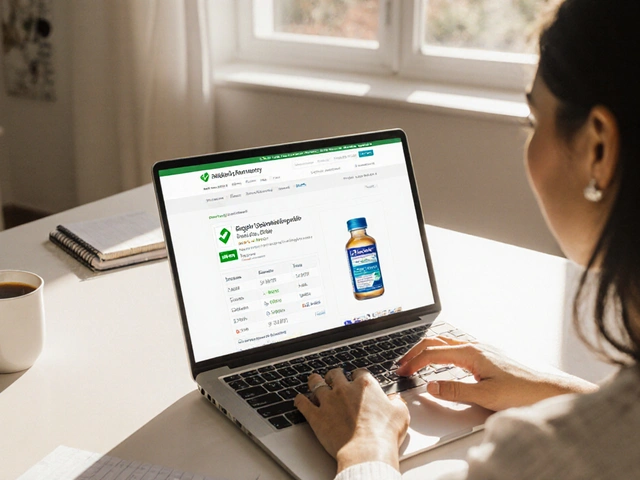
Learn where to find trusted online pharmacies, compare prices, verify legitimacy, and safely purchase cheap generic clindamycin with step‑by‑step guidance.