
When a medication causes unexpected harm, drug safety reporting, the system that collects and analyzes harmful side effects from patients and doctors to protect public health. Also known as pharmacovigilance, it’s how the FDA and other agencies spot dangerous patterns before they become widespread crises. Most people think side effects are just part of taking medicine—but some reactions aren’t normal. They’re warnings. And when enough people report them, it can lead to black box warnings, dosage changes, or even drug recalls.
Drug safety reporting isn’t just for doctors. If you’ve had a bad reaction—like sudden swelling after a new pill, unexplained bruising with a blood thinner, or extreme dizziness from a generic version—you’re a key part of the system. The FDA MedWatch, the official U.S. program for collecting adverse event reports from the public and healthcare providers lets anyone file a report online or by phone. You don’t need a diagnosis or proof. Just describe what happened, when, and what you were taking. These reports, combined with data from hospitals and pharmacies, help uncover hidden risks. For example, reports of severe skin reactions led to changes in how certain antibiotics are prescribed. Another wave of reports about muscle damage from statins helped clarify which patients should avoid them.
Not all side effects are created equal. Some are common and mild—like a stomach upset from ibuprofen. But others signal something deeper: liver damage from acetaminophen, suicidal thoughts from antidepressants, or kidney failure from SGLT2 inhibitors. That’s why adverse drug reactions, unexpected and harmful responses to medications that aren’t listed on the label matter most. If you’ve had a reaction that wasn’t on the drug’s warning sheet, or if a generic version gave you different side effects than the brand name, report it. Inactive ingredients in generics can trigger allergies, and drug interactions with alcohol or other meds can be deadly. Your report might save someone else’s life.
What you report makes a difference. One person’s story, when added to hundreds of others, turns into a trend. That’s how the FDA found out that certain antipsychotics caused dangerous weight gain in teens, or that some diabetes drugs protected the heart—not just the blood sugar. You don’t need to be a scientist. You just need to pay attention. If you’re on long-term meds, keep a simple log: what you took, when, and how you felt. If something feels off, don’t brush it off. Report it. And if you’re helping a parent, child, or elderly relative, speak up for them. Too many people stay silent because they think it won’t matter. But it does. The system only works when people use it.
Below, you’ll find real stories and practical guides on how medications affect people differently—why a generic might cause new side effects, how alcohol can turn a safe drug dangerous, and what to do when your body reacts in ways no one warned you about. These aren’t theoretical risks. They’re lived experiences. And they’re why drug safety reporting isn’t just a formality—it’s a lifeline.
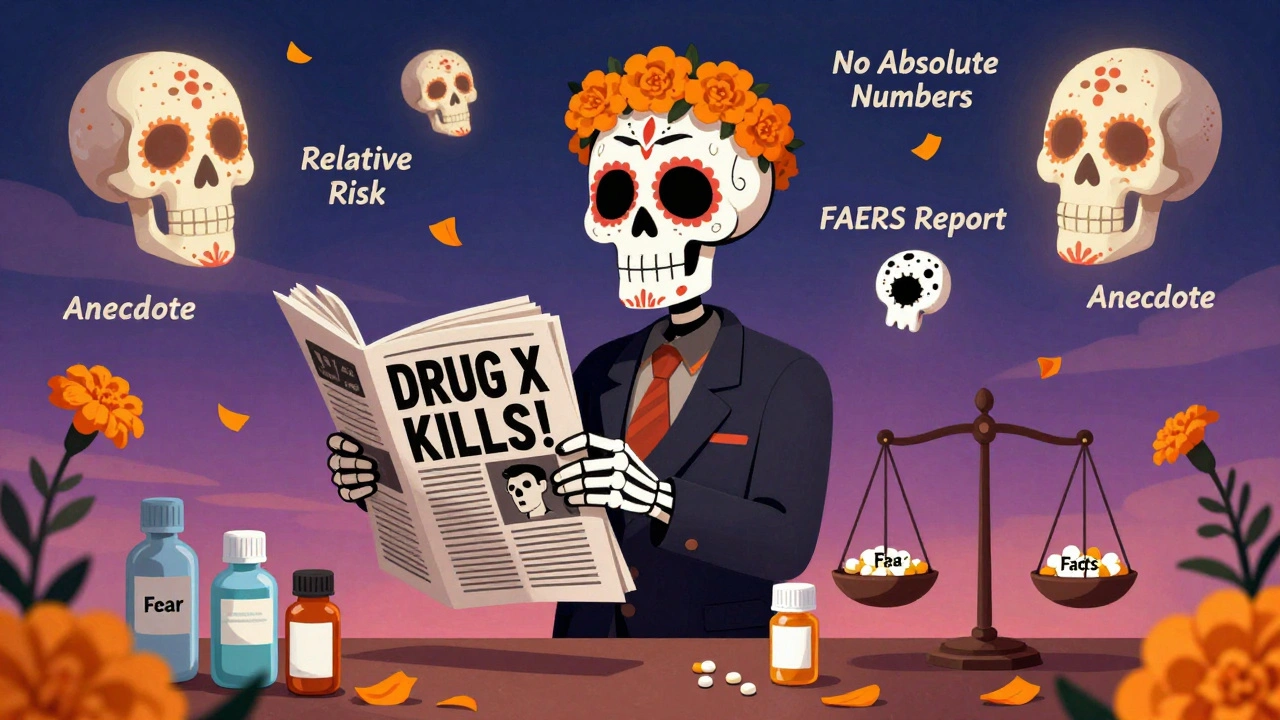
Learn how to spot misleading media reports about drug safety by checking study methods, understanding risk numbers, and verifying sources. Don't let sensational headlines scare you into stopping your medication.

In my latest blog post, I discuss the incredible benefits of Sweet Sumach, a powerful plant-based solution for optimal health. This amazing herb has been found to possess potent antioxidants, anti-inflammatory properties, and can even help regulate blood sugar levels. Not only does it contribute to overall well-being, but it also supports a healthy weight and benefits our heart health. I highly recommend incorporating Sweet Sumach into your daily routine to experience its numerous health benefits. Be sure to check out the full post for more information and tips on how to use this fantastic natural remedy.
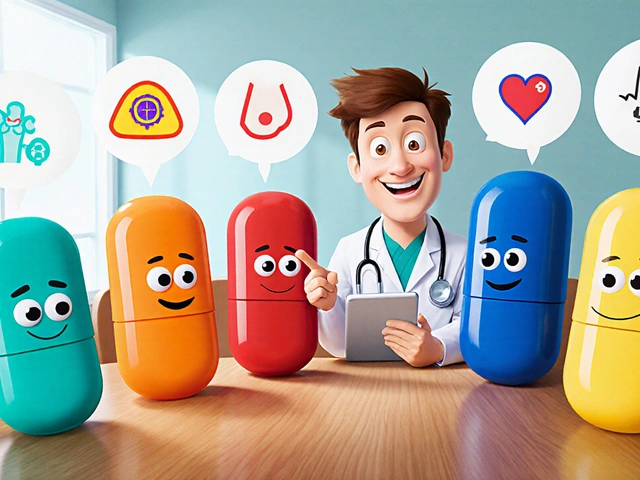
A detailed guide comparing Etodolac with Naproxen, Ibuprofen, Diclofenac, and Celecoxib, covering efficacy, dosing, side effects, and safety tips.

Learn the correct protein targets for each stage of chronic kidney disease, how plant vs. animal protein affects kidney health, and practical ways to follow a kidney-friendly diet without losing muscle or quality of life.

In my latest blog post, I delve into the healing power of Tung Seed, a dietary supplement garnering attention in the health and wellness world. This comprehensive guide details its origin, health benefits and how to incorporate it into your daily routine. I've explored the scientific research behind its anti-inflammatory and antioxidant properties. The blog also sheds light on how Tung Seed can aid in heart health, diabetes control and boosting the immune system. If you're curious about natural health supplements, this is a must-read!

Learn how to safely exercise while taking statins to prevent muscle pain and injury. Practical tips backed by science for staying active without risking side effects.