
When a medication causes unexpected harm, drug safety reporting, the system that collects and analyzes harmful side effects from patients and doctors to protect public health. Also known as pharmacovigilance, it’s how the FDA and other agencies spot dangerous patterns before they become widespread crises. Most people think side effects are just part of taking medicine—but some reactions aren’t normal. They’re warnings. And when enough people report them, it can lead to black box warnings, dosage changes, or even drug recalls.
Drug safety reporting isn’t just for doctors. If you’ve had a bad reaction—like sudden swelling after a new pill, unexplained bruising with a blood thinner, or extreme dizziness from a generic version—you’re a key part of the system. The FDA MedWatch, the official U.S. program for collecting adverse event reports from the public and healthcare providers lets anyone file a report online or by phone. You don’t need a diagnosis or proof. Just describe what happened, when, and what you were taking. These reports, combined with data from hospitals and pharmacies, help uncover hidden risks. For example, reports of severe skin reactions led to changes in how certain antibiotics are prescribed. Another wave of reports about muscle damage from statins helped clarify which patients should avoid them.
Not all side effects are created equal. Some are common and mild—like a stomach upset from ibuprofen. But others signal something deeper: liver damage from acetaminophen, suicidal thoughts from antidepressants, or kidney failure from SGLT2 inhibitors. That’s why adverse drug reactions, unexpected and harmful responses to medications that aren’t listed on the label matter most. If you’ve had a reaction that wasn’t on the drug’s warning sheet, or if a generic version gave you different side effects than the brand name, report it. Inactive ingredients in generics can trigger allergies, and drug interactions with alcohol or other meds can be deadly. Your report might save someone else’s life.
What you report makes a difference. One person’s story, when added to hundreds of others, turns into a trend. That’s how the FDA found out that certain antipsychotics caused dangerous weight gain in teens, or that some diabetes drugs protected the heart—not just the blood sugar. You don’t need to be a scientist. You just need to pay attention. If you’re on long-term meds, keep a simple log: what you took, when, and how you felt. If something feels off, don’t brush it off. Report it. And if you’re helping a parent, child, or elderly relative, speak up for them. Too many people stay silent because they think it won’t matter. But it does. The system only works when people use it.
Below, you’ll find real stories and practical guides on how medications affect people differently—why a generic might cause new side effects, how alcohol can turn a safe drug dangerous, and what to do when your body reacts in ways no one warned you about. These aren’t theoretical risks. They’re lived experiences. And they’re why drug safety reporting isn’t just a formality—it’s a lifeline.
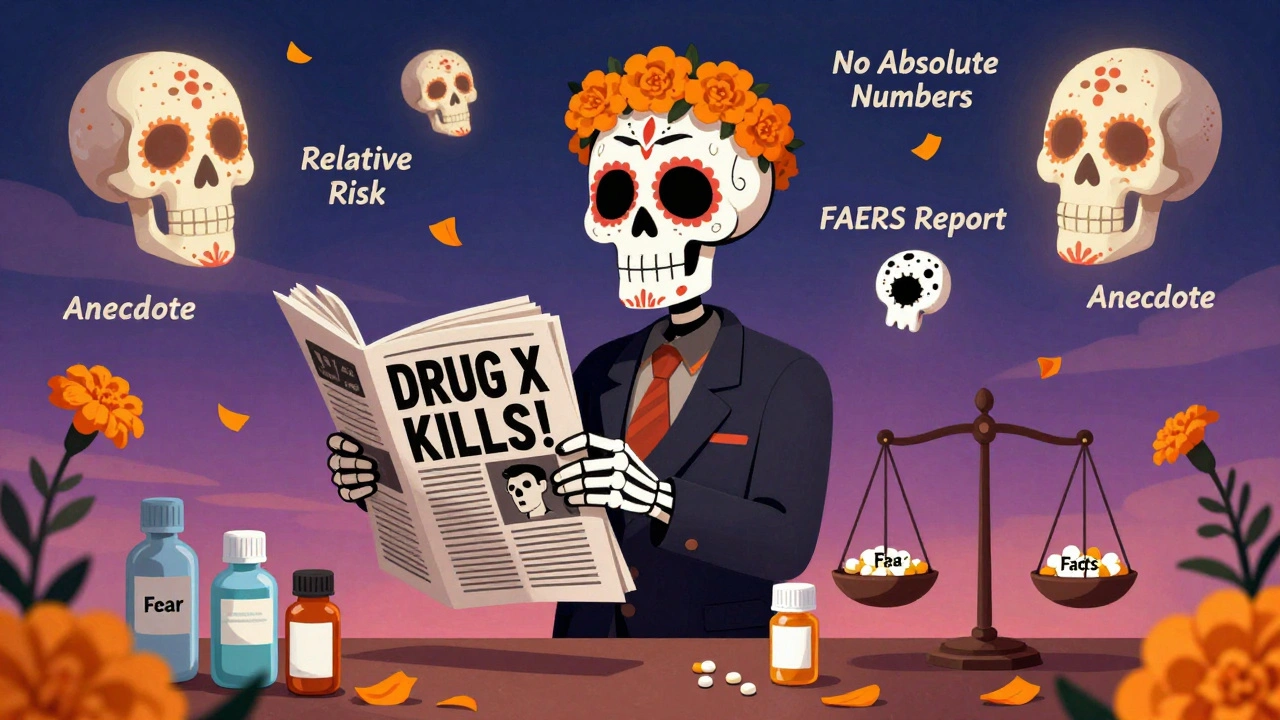
Learn how to spot misleading media reports about drug safety by checking study methods, understanding risk numbers, and verifying sources. Don't let sensational headlines scare you into stopping your medication.

In my latest blog post, I've discovered the amazing benefits of Bromelain, a secret weapon in our dietary supplement arsenal. This powerful enzyme, found in pineapple stems, has incredible anti-inflammatory and digestive properties. It's been proven to aid in protein digestion, reduce swelling, and even help with sinus-related issues. I personally love adding Bromelain supplements to my daily routine, and I've noticed a significant improvement in my overall well-being. Don't miss out on this hidden gem - give Bromelain a try and feel the benefits for yourself!
Learn how to master medication adherence using everything from simple paper logs to advanced IoT pillboxes. Improve your health outcomes with accurate tracking.

Curious about mixing spironolactone and alcohol in 2024? This article breaks down new clinical research on hormone levels and liver effects when the two are combined. Packed with facts, stats, and relatable situations, you'll find smart tips and an honest look at what doctors and studies really say. Readers will understand potential risks, latest findings, and safer habits for daily life—all in plain language.
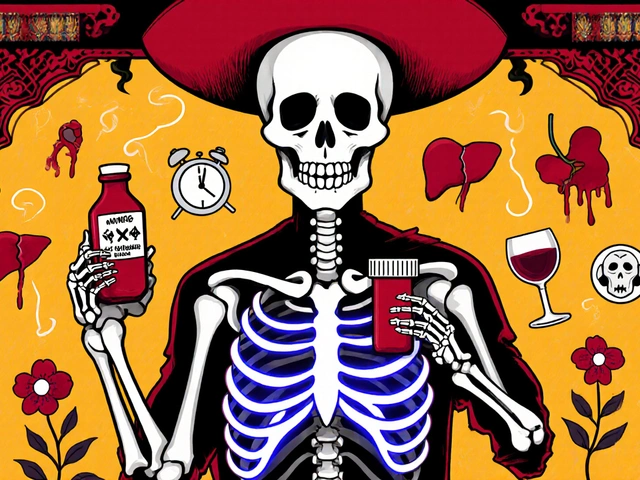
Alcohol and prescription drugs can interact dangerously, causing overdose, liver damage, or death. Learn which meds are most risky, who's most vulnerable, and how to stay safe.
This article explores how well pyridostigmine bromide works for people with myasthenia gravis over long periods. It covers how the medication helps with daily symptoms, its long-term side effects, and what patients can expect from ongoing use. You'll get practical advice on managing the medication, what to watch out for, and how to talk to your doctor about adjusting doses. The article also looks at what recent research says about the safety of using pyridostigmine for years. It's straightforward, direct, and focused on helping patients and caregivers make informed decisions.