
When you hear drug exclusivity, a legal period during which the FDA blocks generic versions of a brand-name drug from entering the market. Also known as market exclusivity, it’s not the same as a patent—though both are used to delay cheaper alternatives. This system was meant to reward innovation, but in practice, it often means patients pay more for years longer than necessary.
Drug exclusivity is tied to specific actions by the drugmaker—like testing a drug for new uses in kids, or proving it works for a rare disease. For example, if a company gets orphan drug exclusivity, a seven-year period granted for drugs treating diseases affecting fewer than 200,000 people in the U.S., no other company can sell a generic version of that same drug for that exact condition, even if the patent has expired. Another type, new chemical entity exclusivity, gives five years of protection for completely new active ingredients, while data exclusivity, protects the clinical trial data used to get approval, can delay generics even if the patent is weak or expired.
These rules directly affect what’s in your medicine cabinet. If your doctor prescribes a brand-name drug, you might be stuck paying $300 a month—until exclusivity ends and a generic hits the market. Then, prices can drop by 80% or more. That’s why some patients wait—sometimes years—to switch to generics. But here’s the catch: once exclusivity ends, multiple generic makers enter at once, and prices crash. That’s why the drug exclusivity clock is the biggest factor between affordable meds and expensive ones.
Looking at the posts below, you’ll see how this plays out in real life. Some stories show how switching to a generic can save thousands over a lifetime. Others warn about dangerous shifts when generic versions of narrow therapeutic index drugs like warfarin or phenytoin aren’t perfectly matched. You’ll also find guides on authorized generics—identical to the brand but cheaper—and how second- and third-wave generics drive prices even lower. There are even posts about how inactive ingredients in generics can trigger reactions in sensitive people, reminding you that even when the active drug is the same, the pill isn’t always identical.
Drug exclusivity isn’t just a legal term—it’s a financial and health decision that touches every person who takes medicine. Whether you’re managing diabetes, high blood pressure, or a chronic condition, knowing how long a brand has exclusivity helps you plan ahead. It tells you when to ask your pharmacist about generics, when to push for an authorized version, or when to wait a few months for a better price. Below, you’ll find real-world advice, studies, and patient stories that show exactly how this system works—and how to use it to your advantage.

Secondary patents let pharmaceutical companies extend market exclusivity by patenting minor changes to drugs - not the active ingredient, but how it's delivered, used, or made. These tactics delay generics and keep prices high.
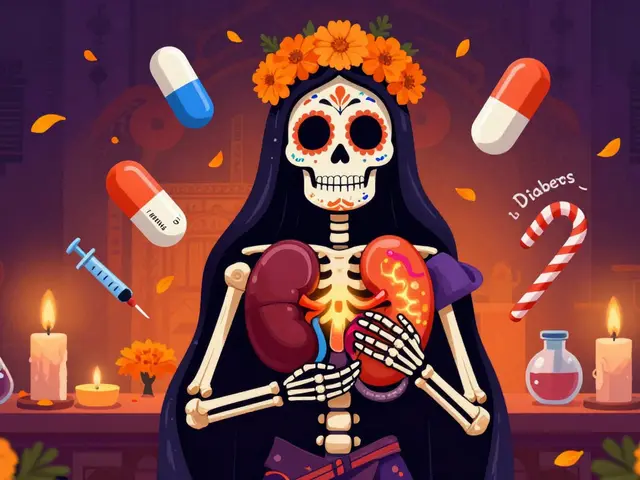
Cyclosporine and tacrolimus are essential for transplant patients but come with serious side effects like kidney damage, tremors, and diabetes. Learn how to manage them and what new options are emerging.
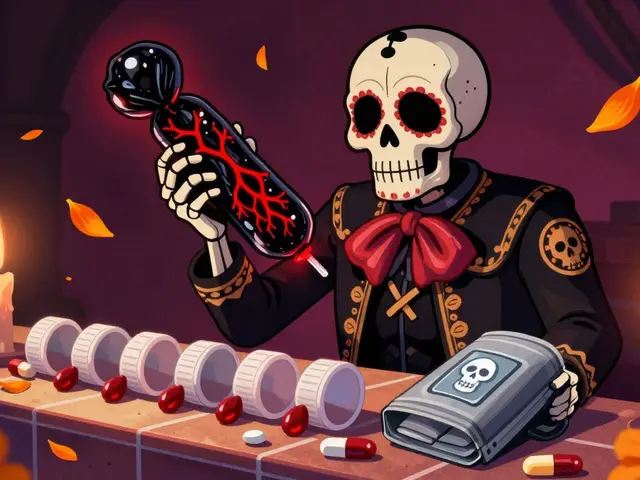
Licorice contains glycyrrhizin, which can raise blood pressure and lower potassium, making blood pressure meds less effective. Avoid black licorice if you're on these medications.

Discover eight alternatives to rexmd.com for men's health solutions in 2024. This article explores a variety of telehealth services offering treatments for erectile dysfunction, hair loss, and other wellness issues. Each alternative provides unique features such as virtual consultations, discreet delivery, and comprehensive health services. Whether you seek the convenience of telehealth or prefer in-person consultations, explore the options that best suit your needs.
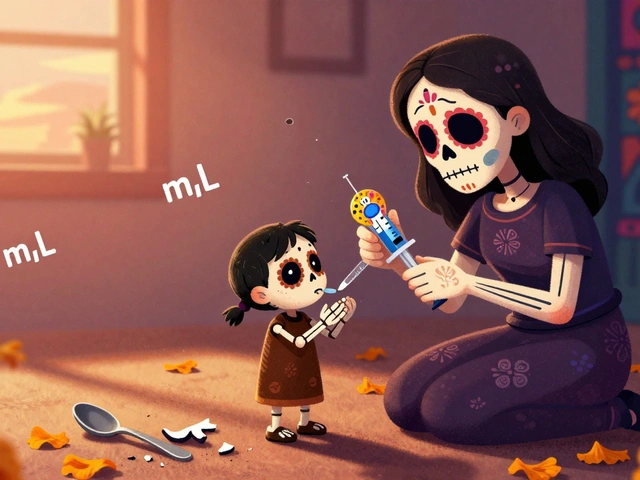
Using household spoons to dose children's medicine is dangerous and inaccurate. Learn why oral syringes and milliliter measurements are the only safe choice for kids' liquid medications.
Learn how to safely exercise while taking statins to prevent muscle pain and injury. Practical tips backed by science for staying active without risking side effects.