

Cystic fibrosis is a genetic disease causing thick mucus in the lungs and organs. New CFTR modulator drugs like Trikafta have transformed survival rates, but access and cost remain major barriers for many.

Grapefruit can dangerously raise statin levels in your blood, increasing the risk of muscle damage. Learn which statins are risky, how much grapefruit is safe, and what to do if you love citrus but need to lower cholesterol.

A side‑by‑side comparison of Nasonex with top nasal sprays, covering efficacy, onset, cost, and best‑use scenarios to help you choose the right allergy spray.

As a dental health enthusiast, I recently learned about the fascinating connection between calcium acetate and dental health. Calcium acetate, a compound found in some dental products, helps to combat tooth decay and promote healthy gums. It works by neutralizing the acids in our mouth, which are responsible for breaking down tooth enamel. Additionally, calcium acetate aids in remineralizing our teeth, making them stronger and more resistant to cavities. Incorporating dental products containing calcium acetate into our oral hygiene routine can significantly improve our overall dental health.

A detailed look at Flunil (Fluoxetine) compared with other antidepressants. Learn mechanisms, dosing, side‑effects, cost and how to pick the right option for you.
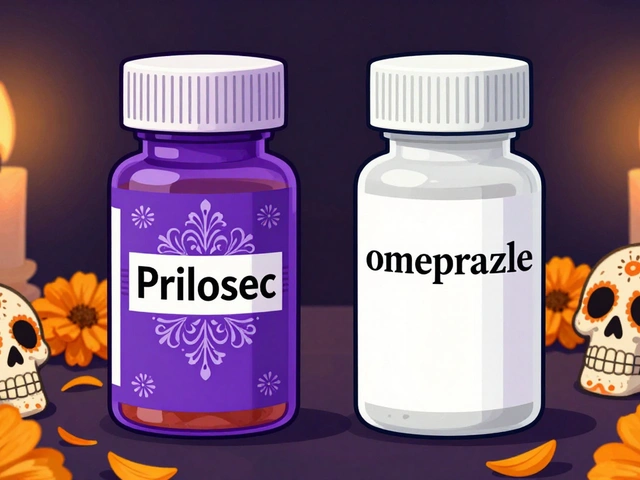
Generic drugs save billions and work just as well as brand-name versions. Learn what the FDA requires for therapeutic equivalence, why labels look different, and when to watch for subtle changes.