
When you take a pill, your body doesn’t just absorb it—it CYP450 enzymes, a family of liver proteins that break down drugs and other chemicals. Also known as cytochrome P450 enzymes, these proteins are the main reason some medications work for you but not for someone else. Think of them as your body’s chemical sorters: they decide how fast a drug gets cleared, how strong its effect is, and whether it might clash with something else you’re taking.
These enzymes don’t work the same in everyone. Genetics, age, diet, and other drugs can turn them up or down. For example, grapefruit juice can block CYP450 enzymes and cause blood levels of certain heart or cholesterol meds to spike dangerously. On the flip side, smoking can speed them up, making some antidepressants or painkillers less effective. That’s why two people on the same dose of the same drug can have totally different results. It’s not about compliance—it’s about biology.
The drug metabolism, the process by which the body breaks down medications relies heavily on just a few of these enzymes—CYP3A4, CYP2D6, CYP2C9, and CYP2C19. These are the ones most involved in interactions with common drugs like warfarin, statins, SSRIs, and even over-the-counter pain relievers. If you’re on multiple medications, especially for chronic conditions like diabetes, high blood pressure, or depression, your CYP450 system is likely under pressure. That’s where things like medication interactions, harmful or reduced effects when two or more drugs compete for the same enzyme happen. A generic switch might seem harmless, but if the new version changes how your body processes the drug through these enzymes, it could lead to side effects or treatment failure.
And it’s not just about pills. Supplements like St. John’s wort, turmeric, or even high-dose vitamin C can interfere. Even some foods—like cruciferous vegetables or charred meat—can tweak enzyme activity. This is why knowing your full list of meds and supplements matters more than ever. Pharmacogenomics, the study of how genes affect drug response, is starting to explain why some people need higher or lower doses. But you don’t need a DNA test to protect yourself. Just ask your pharmacist: "Could this interact with my other meds through the liver?" That simple question can prevent hospital visits.
What you’ll find below are real stories from people who’ve been caught off guard by enzyme interactions—some from switching generics, others from combining meds they thought were safe. You’ll see how CYP450 enzymes quietly shape outcomes in heart disease, mental health, diabetes, and even pain management. These aren’t abstract science lessons. They’re the hidden reason your medication stopped working—or started causing new problems. And now, you know where to look.

Learn how one medication can change how your body handles another - and what you can do to avoid dangerous reactions. Simple, practical steps to stay safe with your prescriptions.

Want cheap generic Cipro online without getting scammed? See legit ways to buy, real price ranges, safety checks, key risks, and smarter alternatives-fast.

Cuba's healthcare system is amidst a critical shortage of essential medicines, pushing citizens towards the black market. This crisis highlights the struggle of families like Lili's, the irony of empty pharmacies yet abundant private vendors, and the government's efforts to address the complex issue.

As a blogger, I've recently been researching the connection between Tamsulosin and dental health, and I'd like to share some key points with you all. Tamsulosin is a medication commonly used to treat benign prostatic hyperplasia (BPH), and it has been found to potentially impact dental procedures. One significant concern is the risk of increased bleeding during dental surgery, which may require dentists to take additional precautions. Individuals taking Tamsulosin should always inform their dentist about their medication history to ensure safe and effective dental care. Ultimately, understanding the link between Tamsulosin and dental health is essential for both patients and dental professionals.

In my latest blog post, I've tackled some common myths surrounding breathing disorders. I've busted several misconceptions like the belief that asthma is always outgrown in adulthood, or that sleep apnea only affects overweight individuals. By shedding light on these misconceptions, I hope to provide a clearer understanding of these conditions, and remind everyone that proper diagnosis and treatment are crucial. Breathing disorders are serious and shouldn't be taken lightly, and it's high time we separate fact from fiction. Stay tuned for more health myth-busting posts!
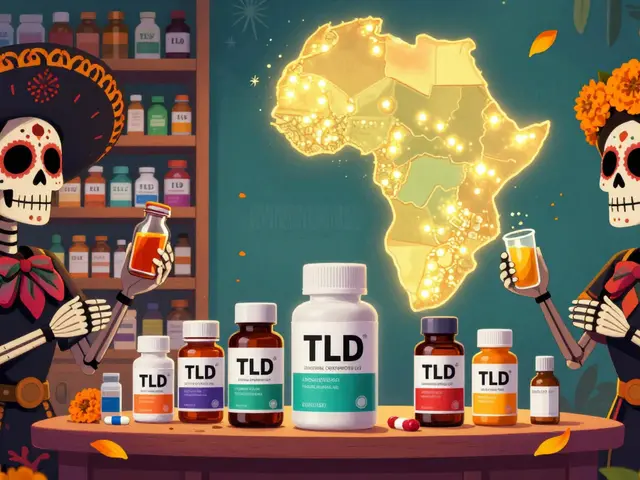
African-made antiretroviral generics are transforming HIV treatment access, with the first WHO-prequalified African-produced TLD drug delivered in 2025. Local production cuts costs, strengthens supply chains, and empowers health sovereignty.