
If you take any prescription or over‑the‑counter drug, chances are you’ve heard the word "complication" before. It usually means something went wrong – a side effect, an interaction, or a long‑term issue that pops up later. Knowing what can happen and how to spot it saves you from unnecessary trips to the doctor.
Most meds have at least one common side effect. Think of nausea with antibiotics, drowsiness with antihistamines, or dry mouth from many antidepressants. These are usually mild and go away on their own, but they can still be annoying.
More serious complications include allergic reactions (rash, swelling, trouble breathing), heart rhythm changes, or liver problems. If a drug you’re taking is known for these issues – like certain antibiotics that affect the liver – keep an eye on any unusual symptoms and call your doctor right away.
The first step is reading the label and the short description we give for each medication. Look for warnings about other drugs, foods, or health conditions that might cause trouble. For example, mixing Modafinil with certain antidepressants can raise the risk of anxiety.
If you start a new prescription, set a reminder to check in after a few days. Note any changes – even small ones like a headache or extra tiredness. Write them down and compare them to the common side effects we list for that drug.
Never skip your doctor’s advice about lab tests. Some meds need blood work every few months to catch hidden complications early, such as kidney issues from long‑term pain relievers.
If you’re buying online, make sure the pharmacy is verified and asks for a prescription. Unverified sources often sell counterfeit drugs that can cause unexpected complications.
When in doubt, call your pharmacist or doctor. A quick question about a new symptom can prevent a bigger problem later.
Bottom line: complications are part of taking any drug, but they’re usually manageable if you stay alert and communicate with your healthcare team. Keep this guide handy, check the info on each medication, and you’ll reduce the risk of nasty surprises.
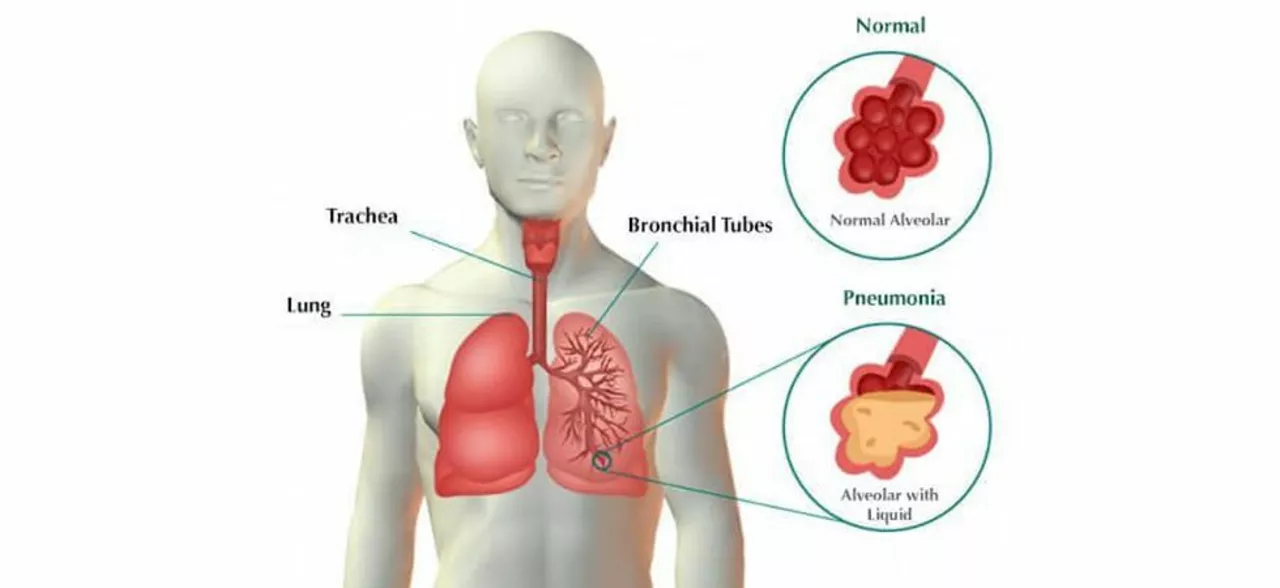
As a blogger, I want to share some important information about pneumonia and diabetes. Pneumonia is a serious infection that affects the lungs, and people with diabetes have a higher risk of developing it due to their weakened immune systems. It's crucial for diabetics to be aware of the symptoms, such as coughing, fever, and difficulty breathing, and seek medical attention promptly if they suspect pneumonia. Moreover, maintaining good blood sugar control and getting vaccinated for pneumonia can help prevent this dangerous infection. So, let's stay informed and take the necessary precautions to safeguard our health.
Solian (amisulpride) is an antipsychotic with unique benefits for negative schizophrenia symptoms and low weight gain risk. Compare its side effects, effectiveness, and cost to risperidone, olanzapine, aripiprazole, and other alternatives.

Discover why jewelweed supplement is praised for glowing skin and a fortified immune system, backed by science, dosage tips, and a side‑by‑side herb comparison.

Cutaneous lupus causes skin rashes triggered by UV light. Learn how sunlight activates immune responses, what protective measures actually work, and the latest treatments to prevent flares and protect your skin.
Digital tools can help you avoid dangerous interactions between generic drugs, but not all apps are equal. Learn which ones actually work, what they miss, and how to stay safe when buying meds online.
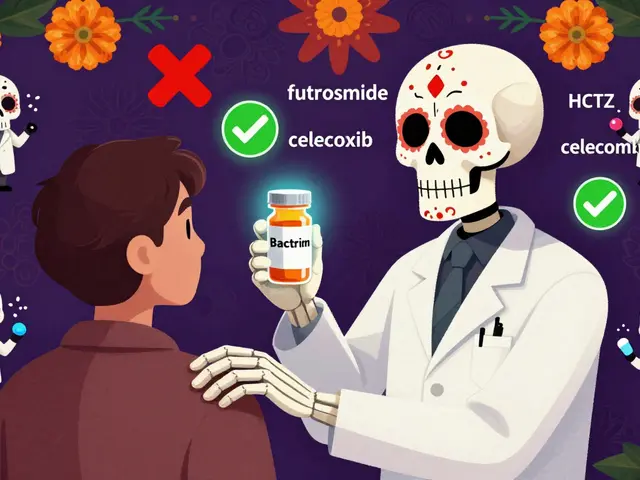
Many people wrongly avoid safe medications like blood pressure pills due to a misunderstood sulfa allergy. Learn the real risks, which drugs are truly dangerous, and how to fix your medical records.