

Pediatric safety networks bring together hospitals and communities to track side effects in children more effectively than ever before. These collaborative systems catch rare reactions, improve treatments, and prevent harm before it spreads.
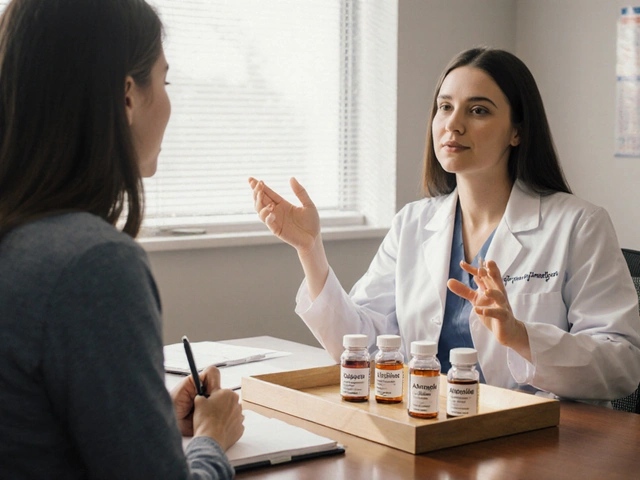
A practical, side‑by‑side comparison of Aromasin (exemestane) with letrozole, anastrozole, and tamoxifen, covering mechanisms, side effects, cost, and choosing the right drug.
Lower GI bleeding is often caused by diverticula or angiodysplasia, especially in older adults. Learn how doctors diagnose and treat these common but different conditions, and why early intervention matters.
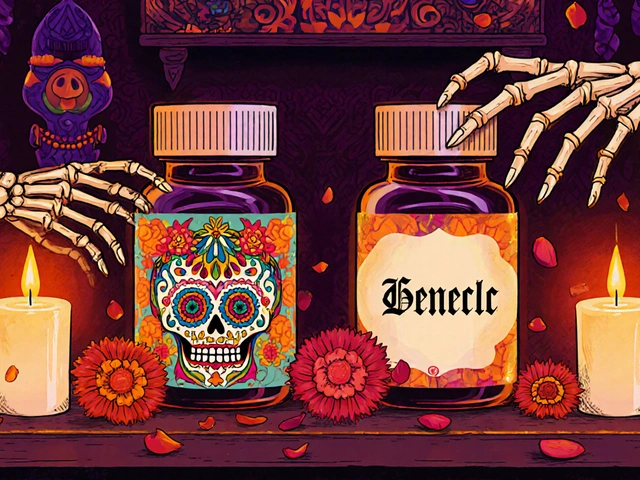
Authorized generics are identical to brand-name drugs but cost less because they skip marketing costs and trigger immediate price competition. Learn how they work, why they’re cheaper, and how to get them.
Licorice contains glycyrrhizin, which can raise blood pressure and lower potassium, making blood pressure meds less effective. Avoid black licorice if you're on these medications.
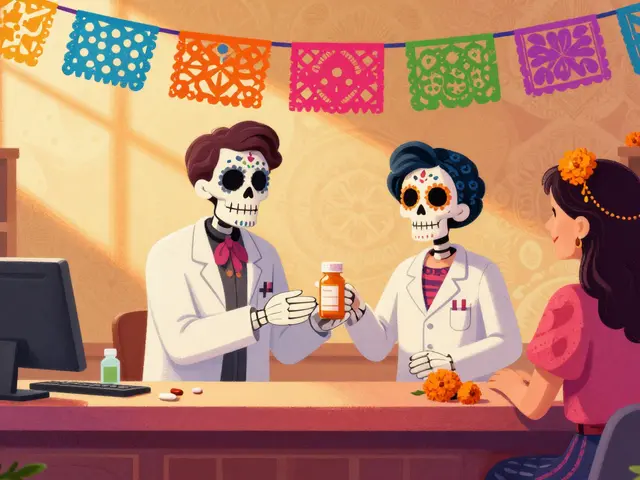
Learn how to identify legitimate generic drugs at the pharmacy by checking labels, verifying pharmacies, spotting counterfeit signs, and using lot numbers to confirm safety. Save money without risking your health.