
When you hear Clomipramine, a tricyclic antidepressant originally developed in the 1960s for depression and later found to be uniquely effective for obsessive-compulsive disorder. Also known as Anafranil, it works by balancing serotonin and norepinephrine in the brain—two chemicals that affect mood, anxiety, and compulsive behaviors. Unlike newer SSRIs, Clomipramine hits multiple neurotransmitter targets at once, which makes it powerful but also more likely to cause side effects. It’s not a first-choice drug for everyone, but for people who haven’t responded to other treatments, it can be life-changing.
Clomipramine is closely tied to tricyclic antidepressants, a class of older antidepressants that include imipramine, amitriptyline, and nortriptyline. These drugs were the first to show real results for depression, but their side effect profile—dry mouth, drowsiness, weight gain, and heart rhythm changes—pushed doctors toward newer options. Still, Clomipramine stands out even among its peers because of its strong effect on OCD treatment, a condition where serotonin-targeting drugs work best. Studies show it reduces obsessive thoughts and compulsive behaviors more effectively than many SSRIs, especially in severe cases. It’s also used off-label for chronic pain, panic disorder, and even bedwetting in children, though those uses require careful monitoring.
One big reason people avoid Clomipramine is its interaction risk. Mixing it with depression medication, especially SSRIs, SNRIs, or MAOIs can trigger serotonin syndrome—a rare but dangerous condition with high fever, confusion, and muscle rigidity. Even common painkillers like tramadol or cold medicines with dextromethorphan can become risky. Alcohol? Avoid it. Stopping suddenly? Don’t. Withdrawal can cause nausea, insomnia, and even seizures. That’s why Clomipramine isn’t something you start or stop on your own. It needs a doctor who understands its balance of benefit and risk.
If you’re looking at Clomipramine, you’re probably dealing with something persistent—maybe depression that didn’t budge with other drugs, or OCD that’s taken over your daily life. You’re not alone. Thousands have walked this path before, and many found relief where other options failed. The posts below cover what you won’t find in drug labels: real-world experiences with side effects, how it compares to other antidepressants, what to do when it stops working, and how to handle the tough early weeks. You’ll also find guides on generic versions, safety with other meds, and how to talk to your doctor about switching or adjusting. This isn’t just another drug page. It’s a practical toolkit for people who need more than a brochure.
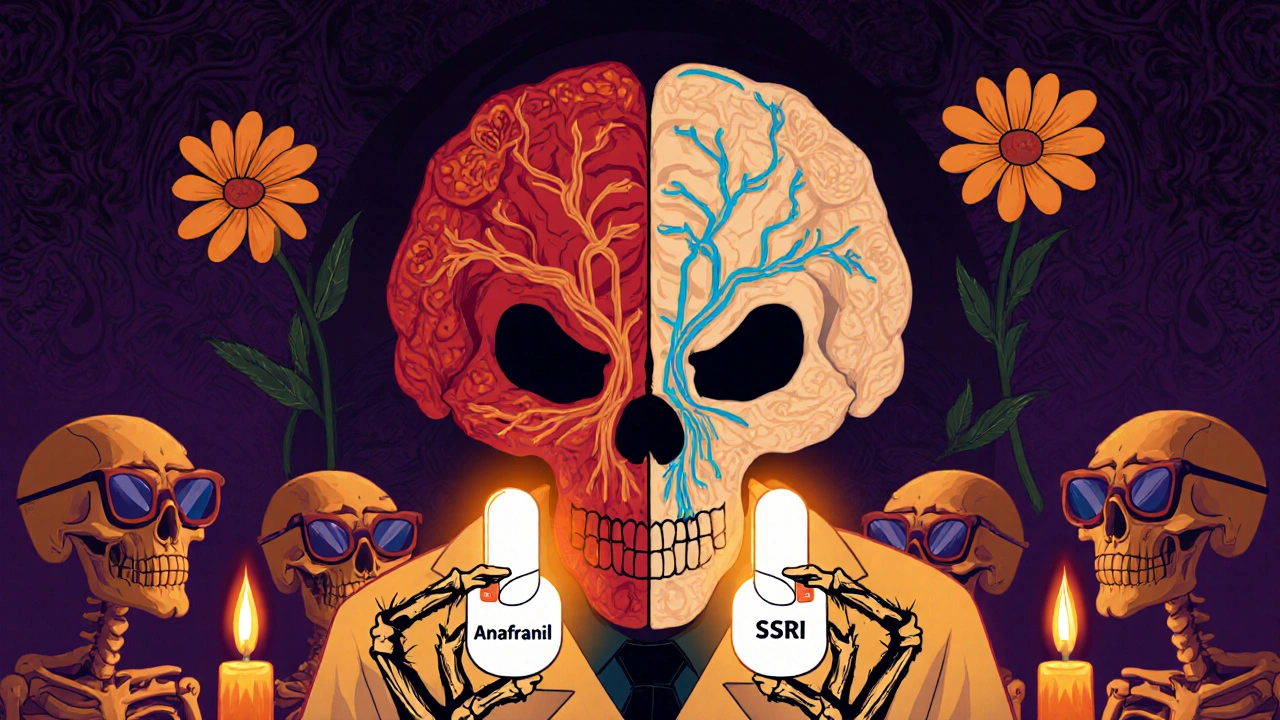
Anafranil (clomipramine) is effective for OCD but has tough side effects. Discover how SSRIs like Zoloft and Prozac compare as safer, nearly as effective alternatives - and when Anafranil might still be the best choice.

A detailed guide comparing Etodolac with Naproxen, Ibuprofen, Diclofenac, and Celecoxib, covering efficacy, dosing, side effects, and safety tips.
Expert guide on monitoring QT prolongation risks when using fluoroquinolones and macrolides. Learn about risk hierarchies, the Fridericia Formula, and ECG protocols.
Anafranil (clomipramine) is effective for OCD but has tough side effects. Discover how SSRIs like Zoloft and Prozac compare as safer, nearly as effective alternatives - and when Anafranil might still be the best choice.

Secondary patents let pharmaceutical companies extend market exclusivity by patenting minor changes to drugs - not the active ingredient, but how it's delivered, used, or made. These tactics delay generics and keep prices high.

PCI and CABG are two proven treatments for blocked heart arteries. Learn how doctors decide which one is right for you based on diabetes, blockage complexity, and long-term outcomes.