
When you're stuck in a loop of worry, panic, or fear, CBT for anxiety, a structured, evidence-based therapy that helps you change how you think and react to stress. Also known as cognitive behavioral therapy, it doesn't just talk about feelings—it gives you real tools to use every day. Unlike meds that mask symptoms, CBT rewires how your brain responds to triggers. It’s not magic. It’s practice. And it works for millions who’ve tried everything else.
CBT for anxiety focuses on three things: your thoughts, your physical reactions, and your behaviors. If you avoid social situations because you fear judgment, CBT helps you test that fear step by step. If your heart races at the thought of flying, CBT teaches you to challenge the thought, “I’m going to crash,” with facts, not panic. It’s not about being positive—it’s about being accurate. You learn to spot distorted thinking like catastrophizing, overgeneralizing, or mind reading, then replace it with something closer to reality. This isn’t guesswork. It’s backed by decades of clinical trials showing it reduces anxiety symptoms better than most drugs—and the effects last longer.
CBT doesn’t require you to dig into your childhood. It’s practical. You get homework: journaling thoughts, tracking triggers, doing exposure exercises. You might start by writing down what happens right before you feel anxious—then rate how likely the worst-case scenario really is. You’ll learn breathing techniques that calm your nervous system fast. You’ll practice sitting with discomfort instead of running from it. And you’ll see progress, even if it’s slow. Many people feel better in just 8 to 12 sessions. It’s not a cure-all, but for most, it’s the most effective starting point.
You’ll find posts here that break down how CBT works with specific anxiety types—panic attacks, social fear, OCD-like habits, even health anxiety. Some explain how to find a good therapist. Others show how to use CBT techniques on your own when professional help isn’t an option. There are guides on combining CBT with lifestyle changes, like sleep and movement, that boost results. You’ll also see how it stacks up against other therapies, like mindfulness or acceptance and commitment therapy. What you won’t find is fluff. Just clear, no-nonsense info that helps you take action.
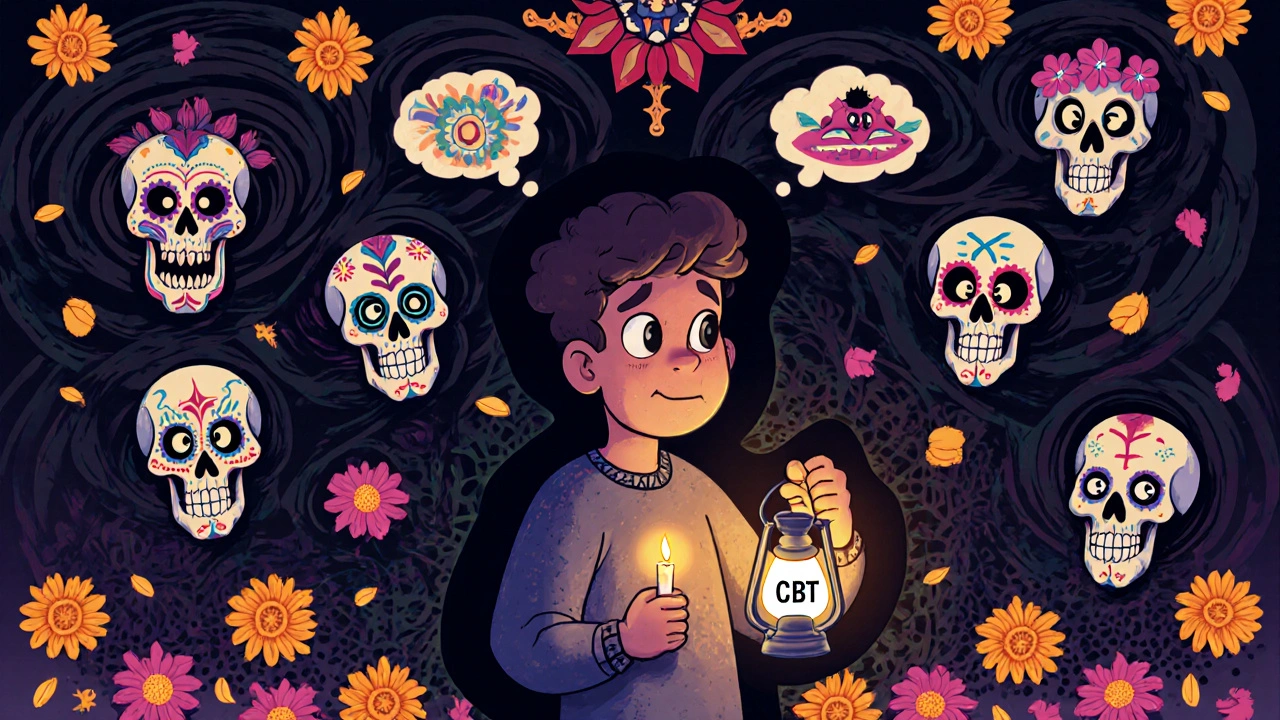
Anxiety disorders affect nearly 1 in 5 adults and include types like GAD, panic disorder, and social anxiety. Evidence-based treatments like CBT and SSRIs are highly effective, with new options like digital apps and zuranolone emerging in 2023.
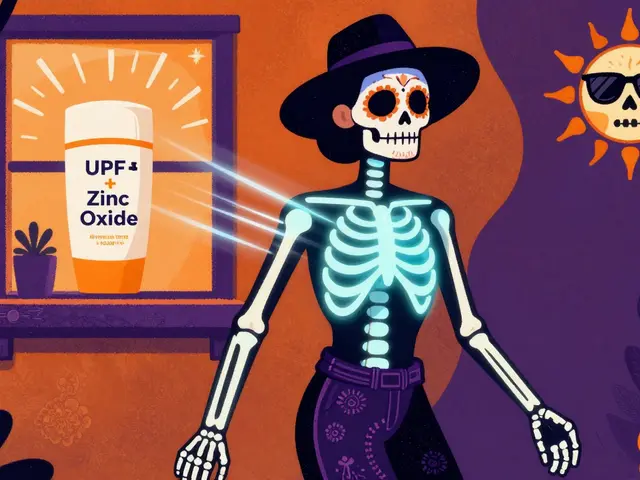
Doxycycline and TMP-SMX (Bactrim) can make your skin dangerously sensitive to sunlight, causing severe sunburns and long-term damage. Learn how to protect yourself with sunscreen, clothing, and smart habits.

Learn how specific nutrients, foods, and diet patterns can help prevent hair loss, with practical meal plans, a nutrient checklist, and expert FAQs.

Discover why jewelweed supplement is praised for glowing skin and a fortified immune system, backed by science, dosage tips, and a side‑by‑side herb comparison.
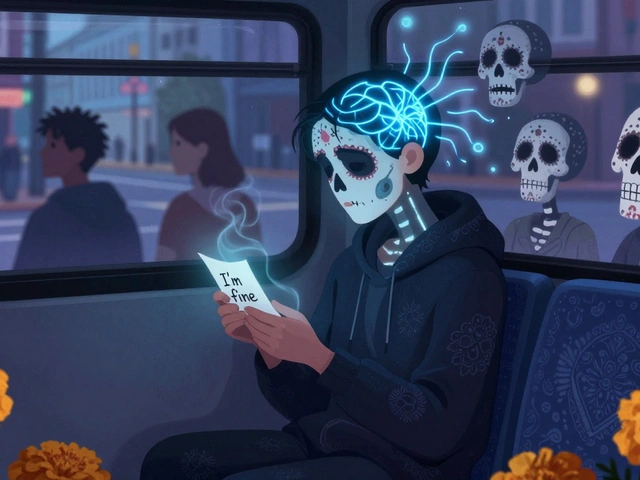
Partial onset seizures don't just affect the body-they deeply impact mental health, often leading to depression and anxiety. Learn how brain changes, medication side effects, and social stigma shape emotional well-being-and what actually helps.

A detailed guide comparing Etodolac with Naproxen, Ibuprofen, Diclofenac, and Celecoxib, covering efficacy, dosing, side effects, and safety tips.