
When you hear biologic therapy, a type of treatment made from living organisms that targets specific parts of the immune system. Also known as biologics, it doesn’t work like regular pills or injections that affect your whole body. Instead, it zeroes in on the exact cells or proteins driving inflammation — making it powerful, but also more complex. Unlike traditional drugs that are chemically synthesized, biologics are grown in labs using cells from animals or humans. That’s why they’re often more expensive and require injections or infusions instead of pills.
Biologic therapy is most commonly used for autoimmune diseases, conditions where the immune system mistakenly attacks healthy tissue like rheumatoid arthritis, psoriasis, Crohn’s disease, and multiple sclerosis. It’s also used in some cancers and severe asthma. These treatments don’t cure the disease, but they can stop it from getting worse — and sometimes even reverse damage. For many people, they’re the only option that brings real relief when other drugs fail.
But biologics aren’t for everyone. Because they suppress specific immune responses, they can increase your risk of infections like tuberculosis or fungal infections. Some people develop rashes, fatigue, or even rare nerve problems. That’s why doctors check for latent infections before starting treatment and monitor you closely. They also don’t work the same for everyone — what helps one person might do nothing for another. That’s why matching the right biologic to your specific condition and body is key.
There’s also a growing group of biosimilars, copies of biologic drugs that are highly similar but not identical — and they’re changing the game. These aren’t generics, but they’re much cheaper than the original biologics. Many insurance plans now push for biosimilars first because they save money without sacrificing effectiveness. If your doctor suggests switching, it’s not because your current treatment failed — it’s because there’s a smarter, more affordable option now.
What you’ll find in the posts below isn’t just a list of drug names. It’s real talk about how biologic therapy fits into daily life — from managing side effects to understanding why some people respond better than others. You’ll see how it connects to other treatments like immunosuppressants, medications that broadly calm the immune system, and how newer targeted therapies are making older drugs less necessary. You’ll also find practical advice on navigating costs, avoiding dangerous interactions, and spotting red flags when something doesn’t feel right.
There’s no one-size-fits-all here. Biologic therapy is personal. And the information below is built to help you make sense of it — whether you’re just starting out or have been on it for years.

Hidradenitis suppurativa causes painful, recurring nodules that can lead to scarring and chronic pain. Biologic therapies like adalimumab, secukinumab, and bimekizumab now offer real relief by targeting inflammation at its source-changing the lives of thousands.

In my recent deep dive into the workings of Ornidazole, I found that it operates as an effective antibacterial and antiprotozoal medication. It primarily fights against infections by damaging the DNA of the pathogenic microorganisms, preventing them from reproducing or spreading further. Ornidazole selectively targets and enters bacterial cells, then interferes with their genetic material. This intricate process ultimately leads to the death of the bacteria or protozoa, effectively treating the infection. With its unique mechanism, Ornidazole is a powerful tool in our medical arsenal.

Bipolar depression and unipolar depression look alike but require completely different treatments. Misdiagnosis can lead to dangerous side effects. Learn how to tell them apart and what treatments actually work.
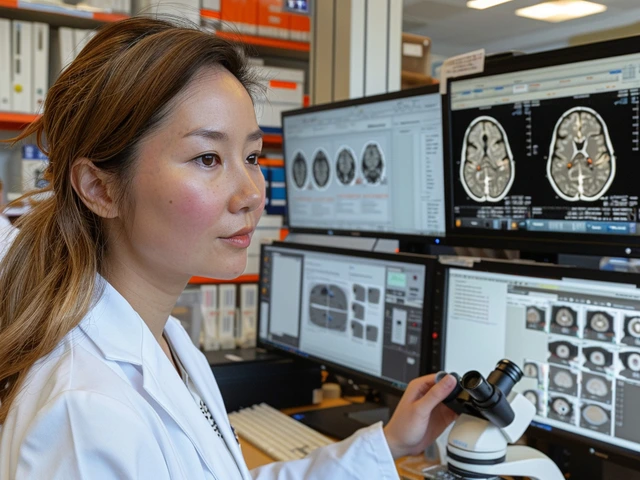
Inflammation’s role in Alzheimer's Disease is a topic of growing interest. This article explores the connection between chronic inflammation and cognitive decline, provides insights into possible causes, and discusses ways to manage inflammation to support brain health. Understanding inflammation's impact on Alzheimer’s could open doors to new treatments and prevention strategies.

Learn how to identify legitimate generic drugs at the pharmacy by checking labels, verifying pharmacies, spotting counterfeit signs, and using lot numbers to confirm safety. Save money without risking your health.

In my recent post, I discussed the relationship between Pyridostigmine Bromide and exercise for those living with Myasthenia Gravis. I explored how this medication can improve muscle strength, making physical activity more manageable for patients. However, I also highlighted the importance of balancing exercise with rest periods and working closely with healthcare providers to establish a suitable routine. Furthermore, it's crucial to listen to your body and not push too hard, as overexertion can lead to symptom flare-ups. Overall, while Pyridostigmine Bromide can aid in physical activity, careful management is key.