
When your heart beats too fast or too hard, beta-blockers, a class of medications that slow heart rate and reduce blood pressure by blocking adrenaline effects. Also known as beta-adrenergic blocking agents, they don’t cure conditions—they help your body manage them better. These drugs are among the most prescribed in the world, not because they’re flashy, but because they work reliably for millions with heart issues.
Beta-blockers are often used for high blood pressure, a condition where force against artery walls stays too high, risking stroke or heart damage. They’re also common for angina, chest pain caused by reduced blood flow to the heart muscle, and heart rhythm disorders, like atrial fibrillation, where the heart beats irregularly. You might not realize it, but some people take them after a heart attack to lower the chance of another one. They’re not just for older adults—teenagers with anxiety-induced rapid heartbeat, athletes with inherited heart conditions, and even people with tremors or migraines sometimes use them too.
Not all beta-blockers are the same. Some target the heart only, others affect the lungs and blood vessels too. That’s why your doctor picks one based on your health, age, and other meds you take. You’ll often see names like metoprolol, atenolol, or propranolol on prescriptions. Side effects? They can include fatigue, cold hands, or dizziness—but for most, the benefits far outweigh the risks. What you won’t find in every article is how these drugs interact with things like alcohol, asthma, or even certain supplements. That’s why some posts here dig into real-world cases: what happens when someone on beta-blockers drinks too much coffee, or why switching from one type to another made all the difference for a senior with multiple conditions.
What you’ll find below isn’t just a list of articles—it’s a collection of real stories and clear explanations about how beta-blockers fit into daily life. From how they compare to other heart meds, to what to watch for when taking them long-term, to why some people need to avoid them entirely, these posts cut through the noise. You’ll learn what to ask your doctor, how to spot warning signs, and how to stay safe without feeling overwhelmed. Whether you’re just starting out or have been on them for years, there’s something here that speaks directly to your situation.

Beta-blockers and calcium channel blockers can be safely combined for high blood pressure and angina - but only if the right type of calcium channel blocker is used. Verapamil and diltiazem pose serious heart risks when paired with beta-blockers.

Partial onset seizures don't just affect the body-they deeply impact mental health, often leading to depression and anxiety. Learn how brain changes, medication side effects, and social stigma shape emotional well-being-and what actually helps.

Licorice root can make blood pressure medications less effective by raising sodium, lowering potassium, and increasing fluid retention. Even small amounts over time can lead to dangerous spikes in blood pressure. Know what to avoid and how to stay safe.

Explore how carbidopa‑levodopa‑entacapone (Stalevo) improves daily "on" time and quality of life for Parkinson's patients, with evidence, dosing tips, and FAQs.
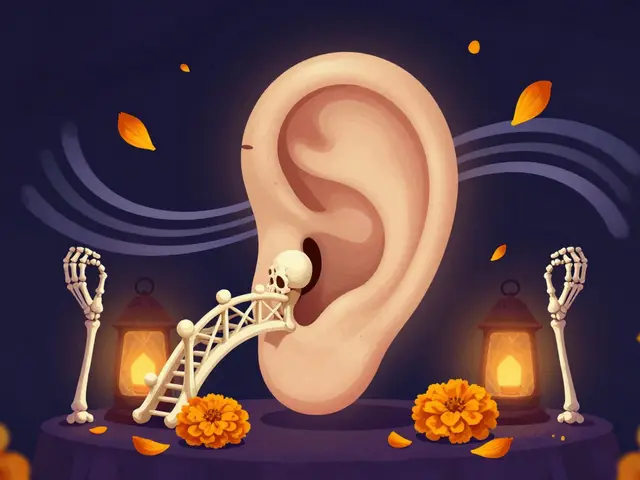
Otosclerosis is a common cause of hearing loss in adults under 50, caused by abnormal bone growth around the stapes. It leads to progressive conductive hearing loss, especially in low tones, but can be effectively treated with hearing aids or surgery.

A deep dive into online pharmacy roidbazaar.to: how it works, what to look out for, tips on safe ordering, and what real users should know before buying.