
When you have diabetes, basal rate, the continuous, low dose of insulin delivered by an insulin pump or long-acting injection to keep blood sugar stable between meals and overnight. Also known as background insulin, it’s the foundation of insulin therapy—without it, your body can’t manage even basic metabolic needs. Think of it like a slow drip of fuel keeping your engine running while you’re parked. If the drip is too low, your blood sugar creeps up. Too high, and you risk lows. It’s not glamorous, but it’s essential.
Basal rate isn’t the same for everyone. Your body’s insulin needs change throughout the day and night. For many, it’s higher in the early morning due to the dawn phenomenon—a natural hormone surge that raises blood sugar. Others need less during exercise or more during illness. People using insulin pumps, devices that deliver insulin continuously through a small catheter under the skin can program different basal rates for different times. Those on long-acting insulin like glargine or detemir rely on a single daily dose meant to mimic this steady flow.
Getting your basal rate right is one of the most powerful things you can do for your blood sugar control. If you’re seeing high fasting numbers, it’s often not your carbs—it’s your basal. If you’re crashing overnight, your basal might be too high. Most people don’t test it properly. The best way to check? Skip meals and avoid boluses for 4–6 hours, then track your glucose. If it stays steady, your basal is on point. If it drifts up or down, it’s time to adjust. Your provider can help fine-tune it, but you’re the one who notices the pattern.
Basal rate connects directly to other parts of diabetes care. It works with carbohydrate counting, the practice of tracking carb intake to match insulin doses—because if your background insulin is off, even perfect carb counts won’t save you. It also affects how you respond to SGLT2 inhibitors, oral diabetes drugs that help the kidneys remove sugar. If your basal is too low and you’re on one of these, you might see unexpected lows. And if you’re switching from multiple daily injections to an insulin pump, getting your basal right is the first step to success.
It’s not just about numbers. A poorly set basal rate can ruin your sleep, make you anxious about lows, or cause frustration when your blood sugar doesn’t match your effort. That’s why so many posts here focus on real-life insulin management—from how to spot when your basal is wrong, to how generics and authorized versions of long-acting insulins can cut costs without sacrificing stability. You’ll find guides on matching insulin to your lifestyle, dealing with dawn phenomenon, and even how to talk to your doctor about adjusting your basal without feeling dismissed.
Basal rate is quiet, invisible work—but it’s the backbone of everything else. Get it right, and the rest becomes easier. Mess it up, and even the best meal plans and bolus calculations fall apart. Below, you’ll find practical advice from people who’ve been there: how to test it, how to fix it, and how to live with it without letting it control your life.

Learn how to set up and safely use an insulin pump for diabetes management. Understand basal rates, bolus types, site care, and real-world safety tips to avoid dangerous complications.

Learn how to safely exercise while taking statins to prevent muscle pain and injury. Practical tips backed by science for staying active without risking side effects.

Bipolar depression and unipolar depression look alike but require completely different treatments. Misdiagnosis can lead to dangerous side effects. Learn how to tell them apart and what treatments actually work.
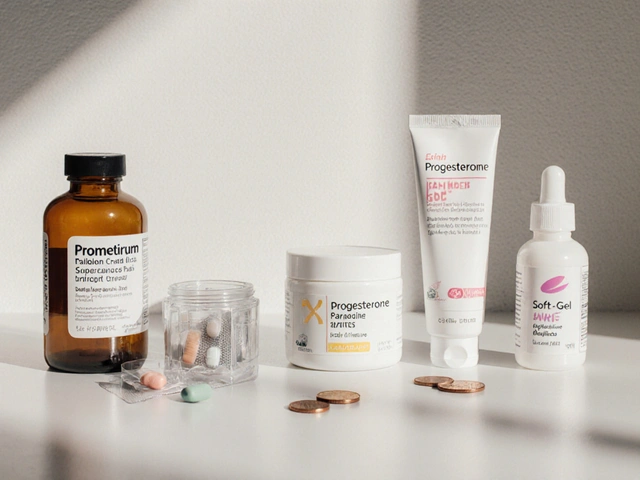
A clear, side‑by‑side comparison of Prometrium and its main alternatives, covering forms, dosing, costs, and how to choose the best progesterone option for your health needs.

A side‑by‑side look at Fulvicin (griseofulvin) versus terbinafine, itraconazole, and fluconazole, covering how they work, costs, side effects, and how to pick the best option.

Learn the essential questions to ask at the pharmacy to avoid dangerous medication errors. Know what’s on your prescription label and how to verify it for safety.