
If your doctor mentioned atrophic gastroenteritis, you might wonder what that actually means. In plain terms, it’s a chronic inflammation of the stomach lining that leads to thinning (or atrophy) of the tissue. This thin lining can’t protect itself well, so you may feel pain, nausea, or have trouble absorbing nutrients.
The most common trigger is a long‑term infection with Helicobacter pylori. Over time the bacteria irritate the stomach lining and cause it to wear away. Autoimmune reactions are another big player: your immune system mistakenly attacks cells that make stomach acid, leading to atrophy. Less often, chronic use of NSAIDs (like ibuprofen) or severe vitamin B12 deficiency can push the stomach toward this condition.
The symptoms aren’t always dramatic, but they tend to show up gradually. Expect a dull ache in the upper belly, frequent burping, and a feeling of fullness after just a few bites. Some people notice vomiting or unexplained weight loss because their gut isn’t soaking up calories properly. If you’ve got a vitamin B12 deficiency (think fatigue, tingling fingers), that could be a clue your stomach lining is compromised.
When these signs appear, doctors usually run an endoscopy to peek inside and take a small tissue sample. Blood tests for H. pylori, auto‑antibodies, and vitamin levels help confirm the diagnosis.
The first step is tackling the root cause. If H. pylori is present, a short course of antibiotics combined with acid‑reducing meds clears the infection. For autoimmune cases, doctors often prescribe proton pump inhibitors (PPIs) to lower stomach acid and give the lining a chance to heal. In some situations, low‑dose steroids or immunosuppressants are added.
Because the stomach can’t absorb nutrients well, supplementing vitamin B12—usually via injection—is a must. Iron, calcium, and folic acid may also need a boost depending on lab results.
Food choices matter a lot when the stomach lining is thin. Aim for small, frequent meals instead of big heavy ones. Soft, easy‑to‑digest foods like oatmeal, bananas, and boiled potatoes are gentle on your gut.
Avoid spicy sauces, acidic drinks (coffee, orange juice), and anything fried. Alcohol can worsen inflammation, so keep it to a minimum or skip it altogether.
Probiotic‑rich foods—yogurt, kefir, sauerkraut—can help restore good bacteria after an H. pylori infection. Pair them with a modest amount of lean protein (chicken, fish) to keep your energy up without overloading the stomach.
If you notice worsening pain, persistent vomiting, or new symptoms like black stools, call your doctor right away. Those signs might indicate bleeding or a more serious complication that needs urgent care.
Regular follow‑ups are key. Your physician will repeat blood tests and possibly another endoscopy to make sure the lining is improving.
Living with atrophic gastroenteritis can feel like a constant juggling act, but knowing what drives it, spotting symptoms early, and sticking to a tailored treatment plan makes a big difference. Keep the conversation open with your healthcare team, stay on top of supplements, and choose foods that soothe rather than inflame—you’ll give your stomach the best chance to heal.

As a blogger, I've come across some interesting information about the connection between atrophic gastritis and gastric cancer. Atrophic gastritis is a chronic inflammation of the stomach lining, which leads to the loss of gastric glandular cells and their eventual replacement by intestinal and fibrous tissues. This condition is considered a significant risk factor for gastric cancer, as it causes a gradual decline in gastric acid production and an increase in the production of gastrin, a hormone that promotes cell growth. With the loss of normal stomach function, the risk of developing gastric cancer significantly increases, especially in cases of autoimmune or H. pylori-induced gastritis. It's crucial to monitor and manage atrophic gastritis symptoms to reduce the risk of gastric cancer and maintain overall digestive health.

Learn how to safely buy cheap generic Levofloxacin (Levaquin) online, verify licensed pharmacies, compare prices, and avoid counterfeit risks.
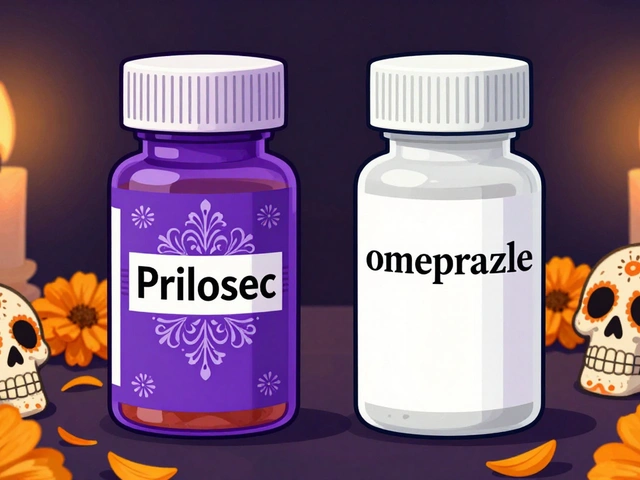
Generic drugs save billions and work just as well as brand-name versions. Learn what the FDA requires for therapeutic equivalence, why labels look different, and when to watch for subtle changes.

Anafranil (clomipramine) is effective for OCD but has tough side effects. Discover how SSRIs like Zoloft and Prozac compare as safer, nearly as effective alternatives - and when Anafranil might still be the best choice.

Anaphylaxis is a life-threatening allergic reaction that requires immediate epinephrine. Learn the warning signs, how to use an auto-injector correctly, why antihistamines won’t save you, and what to do after the shot.

Learn why infant immunizations are vital, how the vaccine schedule works, the diseases they prevent, safety facts, and practical steps for parents to protect their child's health.