
If you’ve been told to take both atenolol and chlorthalidone, you probably wonder why two pills are needed. The short answer is that they hit the problem from different angles. Atenolol is a beta‑blocker that slows your heart down, while chlorthalidone is a diuretic that helps your body get rid of extra water and salt. Together they make it easier for your blood vessels to stay relaxed and keep your numbers in check.
Atenolol blocks adrenaline signals that tell your heart to pump faster. By doing this, it lowers the force of each beat and reduces the overall pressure on your arteries. Chlorthalidone, on the other hand, tells your kidneys to flush out more sodium and water. Less fluid in your bloodstream means less volume pushing against vessel walls. The two effects add up, so you often need a lower dose of each drug than if you took them alone.
Doctors usually start you on atenolol 25‑50 mg once daily and chlorthalidone 12.5‑25 mg once daily. The exact numbers depend on your age, kidney function, and how high your blood pressure is. It’s common to adjust the dose after a few weeks based on how well your reading drops and whether you feel any side effects.
Take both pills at the same time, preferably in the morning. This helps keep a steady level of medicine in your system and reduces the chance of missed doses. If you’re prone to nighttime bathroom trips, ask your doctor if a lower dose of chlorthalidone in the evening works better for you.
Don’t stop any of these meds on your own. Blood pressure can bounce back quickly, and sudden withdrawal from atenolol might cause a rapid heart rate or chest pain. If you need to quit, your doctor will taper you down slowly.
Atenolol can make you feel tired, dizzy, or cold‑handed. Those symptoms usually fade after the first week as your body gets used to the slower heart rate. Chlorthalidone may cause extra trips to the bathroom, low potassium, or mild muscle cramps. Eating a banana or a potassium‑rich snack can help keep levels balanced.
If you notice severe dizziness, fainting, swelling in your ankles, or an unusually fast heartbeat, call your doctor right away. Those could be signs that the dose is too high or that there’s an interaction with another drug you’re taking.
Both drugs affect kidney function, so regular lab checks are a good idea, especially if you have diabetes or a history of kidney problems. Also, avoid over‑the‑counter NSAIDs like ibuprofen unless your doctor says it’s safe—these can raise blood pressure and interfere with the diuretic.
Alcohol can magnify atenolol’s sleepy feeling, so keep drinking moderate. If you’re on a low‑salt diet, talk to your doctor before cutting salt dramatically; too little sodium while on chlorthalidone might cause low blood pressure.
In short, the atenolol‑chlorthalidone combo is a proven way to bring down stubborn hypertension. By understanding how each piece works, watching for side effects, and keeping up with doctor visits, you can stay on track without feeling confused or overwhelmed.

As a blogger, I've come across a crucial topic in managing heart failure - the role of Atenolol-Chlorthalidone. This combination of medications is known to effectively treat high blood pressure, which is a significant risk factor for heart failure. Atenolol, a beta-blocker, helps in reducing the heart rate and blood pressure, while Chlorthalidone, a diuretic, aids in eliminating excess fluid from the body. Together, they work to reduce the workload on the heart, ultimately improving its function and decreasing the risk of heart failure. It's essential to consult with your doctor for proper dosage and prescription to ensure the best possible outcome in managing heart failure.

Want cheap generic Cipro online without getting scammed? See legit ways to buy, real price ranges, safety checks, key risks, and smarter alternatives-fast.

A deep dive into online pharmacy roidbazaar.to: how it works, what to look out for, tips on safe ordering, and what real users should know before buying.
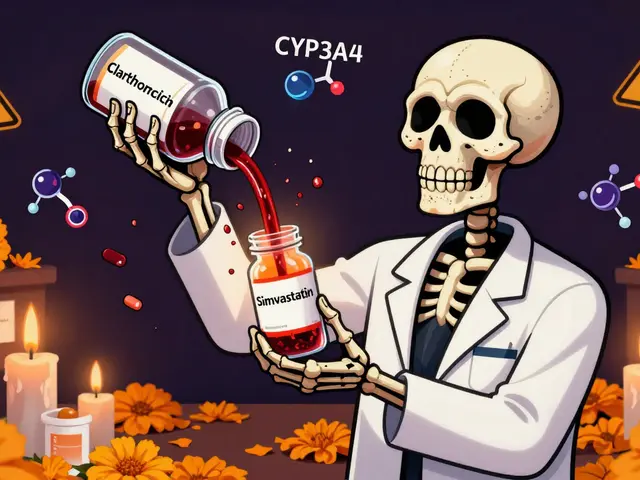
Drug interactions can turn mild side effects into life-threatening events. Learn how common meds, foods, and genetics combine to increase risks-and what you can do to stay safe.
Debunking common medication safety myths with facts backed by CDC, FDA, and pharmacy data to help patients avoid dangerous errors and take their meds safely.
Using two patient identifiers in the pharmacy prevents deadly medication errors by ensuring the right person gets the right drug. Learn how barcode systems, documentation, and disciplined verification save lives.